Installation Type
31
Aug
Aug
The right mailbox should do more than hold letters.
It should fit your delivery method, installation space, normal mail volume, security needs, weather conditions, and the packages you receive.
For some homes, a simple standard mailbox is enough.
For others, the better choice may be a large mailbox, locking mailbox, rear-access mailbox, or dedicated parcel box.
The easiest way to choose is not to compare dozens of products at once.
Start with five questions:
How is mail delivered to your property?
What do you normally receive?
Where will the mailbox be installed?
Do you need locking or secure retrieval?
Do packages regularly sit outside your home?
Once you answer those questions, most mailbox options can be eliminated quickly.
Contents
hide
Quick Mailbox Selection Guide
If you want a fast answer, start with the problem you are trying to solve.
| Your Main Need | Mailbox Type to Consider |
|---|---|
| Letters and normal daily mail | Standard mailbox |
| Magazines, catalogs, and padded envelopes | Large-capacity mailbox |
| Mail stays outside for hours | Locking mailbox |
| Concern about mail theft | Locking mailbox |
| Letters plus occasional small packages | Large locking mailbox |
| Frequent online package delivery | Parcel box |
| Existing curbside delivery | Post-mount curbside mailbox |
| Mail delivered near front entrance | Wall-mount mailbox where permitted |
| No access behind the mailbox | Front-access mailbox |
| Want to retrieve mail from inside the property | Rear-access mailbox |
| Heavy rain or snow | Weather-resistant metal mailbox |
| Coastal environment | Corrosion-resistant mailbox and hardware |
This gives you the starting point.
The next step is making sure the mailbox actually fits your property and daily use.
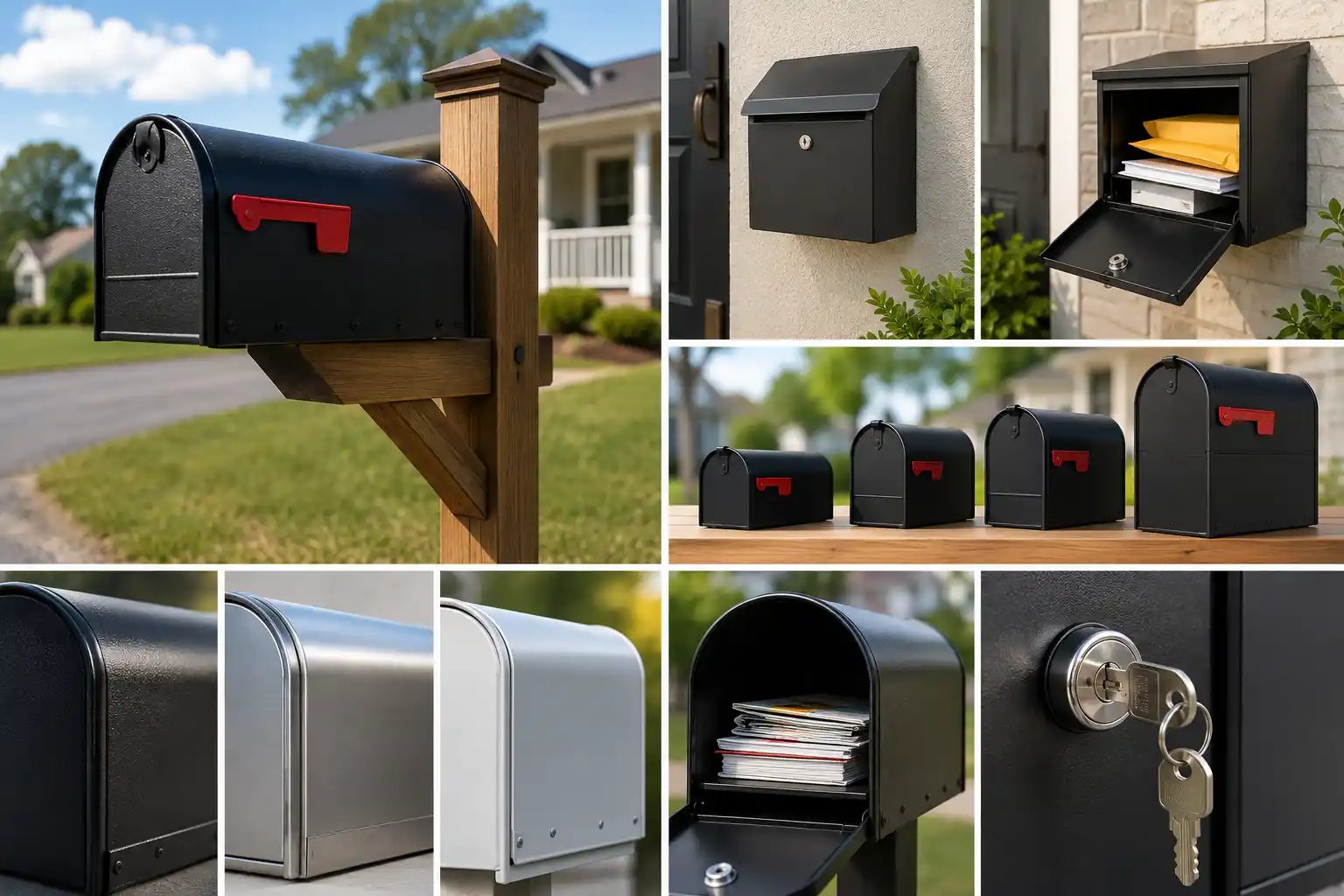
1. Start With Your Mail Delivery Type
Before looking at mailbox size or color, confirm how mail is delivered.
This is especially important in the United States because you cannot always change from one delivery method to another simply by installing a different mailbox.
Curbside Mail Delivery
If your carrier delivers mail from a vehicle, you normally need a curbside mailbox.
Common options include:
Traditional curbside mailbox
Contemporary mailbox
Large-capacity mailbox
Locking curbside mailbox
Locked large-capacity mailbox
For U.S. curbside installations, approved mailboxes should comply with applicable USPS requirements.
When replacing an existing curbside mailbox, keeping the approved delivery location usually makes the project much simpler.
If you are creating a new installation, confirm placement with your local Post Office before setting the post.
Wall-Mount Mail Delivery
Wall-mounted mailboxes are normally installed near the home’s main entrance.
They can be a good choice when:
Mail is already delivered near the door
You want mail close to the house
The wall has a suitable mounting surface
Daily mail volume is moderate
Wall-mounted residential mailboxes do not use the same approval system as curbside boxes.
However, if your property currently receives curbside delivery, do not simply remove the curbside mailbox and install one beside the front door.
Changing the established delivery location may require approval from the local Post Office.
Centralized or Community Mail Delivery
Some apartments, developments, and neighborhoods use centralized mail systems or cluster mailboxes.
In that situation, installing your own curbside mailbox normally will not change how USPS delivers your mail.
Always identify the existing delivery system before buying a mailbox.
2. What Size Mailbox Do You Need?
One of the biggest mistakes people make is choosing mailbox size by appearance.
Instead, think about what is normally inside the box when you empty it.
A Standard Mailbox Is Usually Enough for:
Letters
Bills
Postcards
Small envelopes
Occasional magazines
This works best when mail is collected every day.
Consider a Large Mailbox If You Receive:
Magazines
Catalogs
Thick envelopes
Padded mailers
Several days of mail
Small packages
A larger mailbox gives the carrier more room and reduces folded or overstuffed mail.
It can also be useful if you travel frequently or do not collect mail every day.
Consider a Parcel Box If You Receive Packages Regularly
This is where mailbox size is often misunderstood.
A large mailbox and a parcel box are not necessarily the same thing.
A large mailbox mainly provides more internal capacity.
A parcel box is designed specifically around package delivery.
Depending on the design, a parcel box may provide:
Larger package opening
Larger storage chamber
Locking retrieval door
Anti-fishing features
Weather protection
Front or rear retrieval
Space for multiple deliveries
If packages being left at the door are the problem, buying another slightly larger mailbox may not solve it.
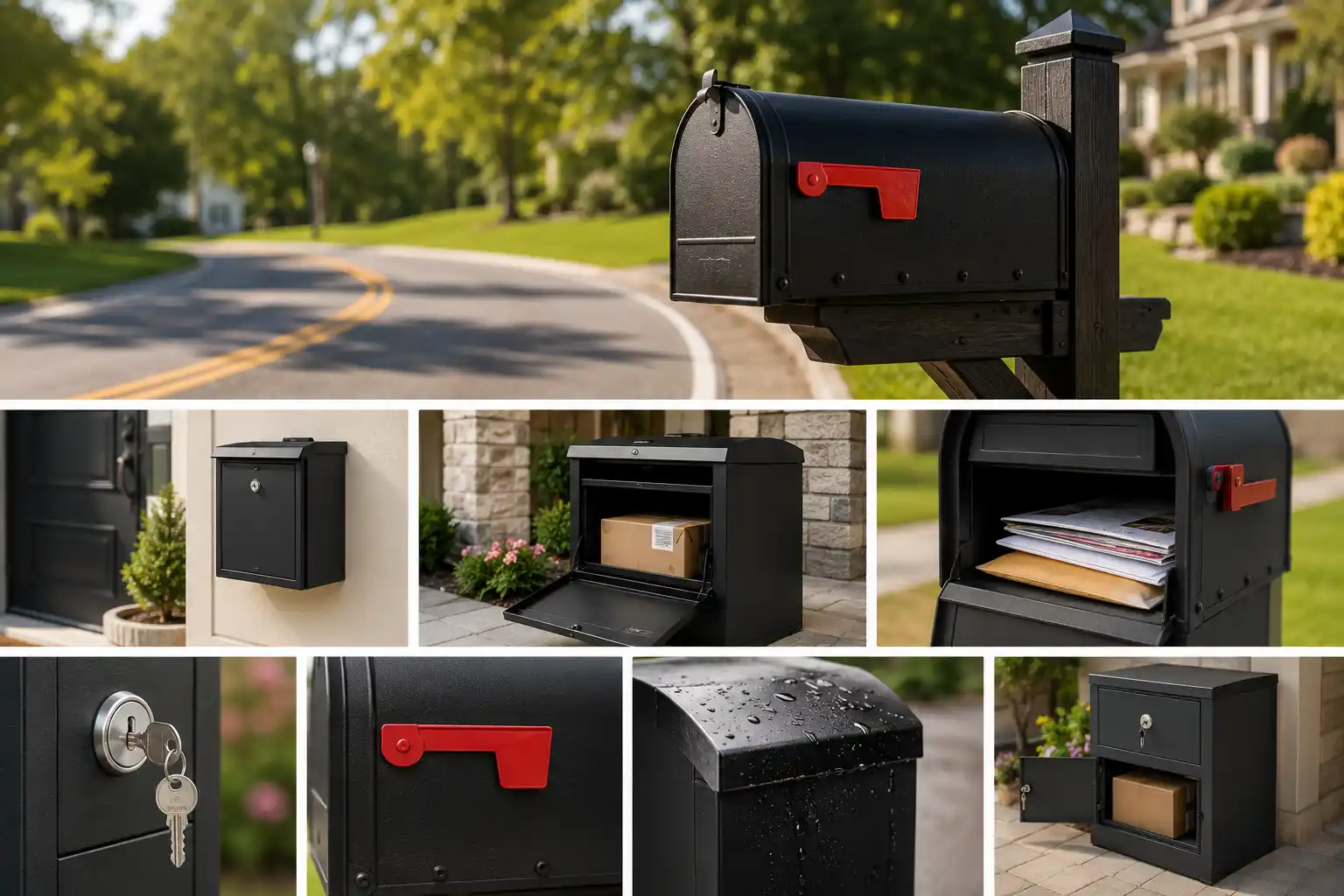
Standard Mailbox vs Large Mailbox vs Parcel Box
Use this comparison before choosing based only on exterior dimensions.
| Feature | Standard Mailbox | Large Mailbox | Parcel Box |
|---|---|---|---|
| Letters | Excellent | Excellent | Usually supported |
| Magazines | Good | Excellent | Good |
| Padded envelopes | Limited | Good | Excellent |
| Small packages | Limited | Good | Excellent |
| Medium packages | Usually not suitable | Sometimes | Better choice |
| Locking options | Available | Available | Common |
| Installation space | Small | Medium | Larger |
| Best use | Everyday mail | Higher mail volume | Frequent package delivery |
The key question is:
What is the largest item you receive regularly—not once a year?
Choose around your normal deliveries.
3. How to Choose the Right Mailbox Size for Packages
If package delivery matters, exterior dimensions alone are not enough.
You need to check three different dimensions.
Delivery Opening
What is the largest package that can actually enter the box?
A large cabinet with a small delivery slot may still reject most parcels.
Internal Storage Space
Once the package enters, is there enough room for it to fall or slide into the storage area?
Retrieval Opening
Can you comfortably remove the package afterward?
A parcel box can have a large interior but still be inconvenient if the retrieval door is too small.
A Practical Way to Choose Parcel Box Size
Look at your recent online orders.
Check approximately 10–20 packages and record:
Length
Width
Height
Find the package size that covers most of your normal deliveries.
You do not necessarily need a parcel box large enough for the biggest package you receive all year.
You need one that solves most of your regular deliveries.
That usually gives a better balance between:
Capacity
Installation space
Cost
Appearance
4. Post-Mount vs Wall-Mount Mailbox
Once you know the capacity you need, decide how it will be installed.
Choose a Post-Mount Mailbox When:
You have curbside delivery
The carrier delivers from a vehicle
You already have a mailbox post
There is suitable roadside installation space
If you want to reuse an existing post, measure before buying.
Check:
Mounting-board width
Mounting-board depth
Mailbox footprint
Hole spacing
Mailbox weight
Distance from post to mailbox door
A new mailbox may fit the existing location but still require a new mounting board.
Choose a Wall-Mount Mailbox When:
Your delivery mode allows it
Mail is delivered near the entrance
You have a solid wall surface
Package delivery is handled separately
Wall-mounted boxes are often practical for letters and small mail but usually offer less capacity than dedicated parcel boxes.
For installation, also consider the wall material:
Brick
Concrete
Wood
Siding with structural backing
The mounting surface must support the mailbox when it is full, not only when it is empty.
5. Do You Need a Locking Mailbox?
Not every household needs a lock.
The best way to decide is to ask:
How long does my mail remain outside unattended?
A Standard Mailbox May Be Enough If:
Someone usually collects mail quickly
The mailbox is close to the house
Mail theft is not a local concern
Sensitive documents rarely stay outside
A Locking Mailbox May Be Better If:
Mail sits outside all day
You travel frequently
The mailbox is far from the house
You receive checks or financial documents
The mailbox is in a high-traffic location
Mail theft has happened nearby
But a lock alone does not make a mailbox secure.
6. What Makes a Locking Mailbox Secure?
Look at the entire construction.
Mail Entry Opening
The opening needs to be large enough for mail while limiting unnecessary hand access.
Retrieval Door
A strong lock will not help much if the entire retrieval door flexes easily.
Hinge Design
Hinges should not become an obvious attack point.
Door Overlap
A well-designed overlapping door can make prying more difficult and also improve rain resistance.
Internal Anti-Fishing Design
For locking and parcel mailboxes, look at whether someone can reach through the delivery opening and pull mail or parcels back out.
Material Thickness
Security depends on the enclosure as well as the lock.
A premium lock mounted to very thin or poorly supported metal may offer limited real protection.
7. Front Access vs Rear Access Mailbox
Access direction can have a bigger effect on daily convenience than mailbox appearance.
What Is a Front-Access Mailbox?
Mail is retrieved from the same general side used for delivery.
Front access is useful when:
The back of the mailbox is against a wall
Rear access is blocked
The mailbox sits near an entrance
The installation area is shallow
What Is a Rear-Access Mailbox?
Mail is delivered from the front and retrieved through a separate rear door.
Rear access can be useful when:
The mailbox is beside a road
You want to collect mail away from traffic
The mailbox is built into a fence
The box is installed through a wall or column
You want access from inside your property
Which Access Type Is Better?
Neither is automatically better.
Ask:
Where will I stand every day when I open the mailbox?
Then look behind and around the proposed installation location.
Check for:
Walls
Fences
Hedges
Gates
Parked vehicles
Sidewalks
Traffic
Landscaping
Choose the access direction before you install the mailbox.
8. What Is the Best Mailbox Material?
There is no single best mailbox material.
The best choice depends on:
Climate
Mailbox size
Security requirements
Weight
Maintenance expectations
Budget
For outdoor metal mailboxes, the three most common choices are powder-coated steel, stainless steel, and aluminum.
Powder-Coated Steel Mailboxes
Powder-coated steel works well for many residential mailboxes and larger parcel boxes.
Advantages include:
Good rigidity
Strong construction
Suitable for locking designs
Good finish options
Easy to manufacture in larger sizes
Check:
Steel thickness
Powder coating
Weld quality
Cut edges
Hinges
Drainage
Door alignment
For outdoor steel products, coating quality matters almost as much as the steel itself.
Stainless Steel Mailboxes
Stainless steel provides good corrosion resistance and can be useful in demanding outdoor environments.
It is often chosen for:
Wet climates
High humidity
Premium installations
Areas where long-term corrosion resistance matters
But stainless steel is not completely maintenance-free.
Salt, dirt, surface contamination, and stainless grade can all affect appearance.
Aluminum Mailboxes
Aluminum combines low weight with good corrosion resistance.
Advantages include:
Lightweight construction
Good outdoor durability
Easier installation
Good corrosion resistance
However, thickness and structural design still matter.
A lightweight aluminum mailbox is not automatically stronger or weaker than steel—the complete product design determines performance.
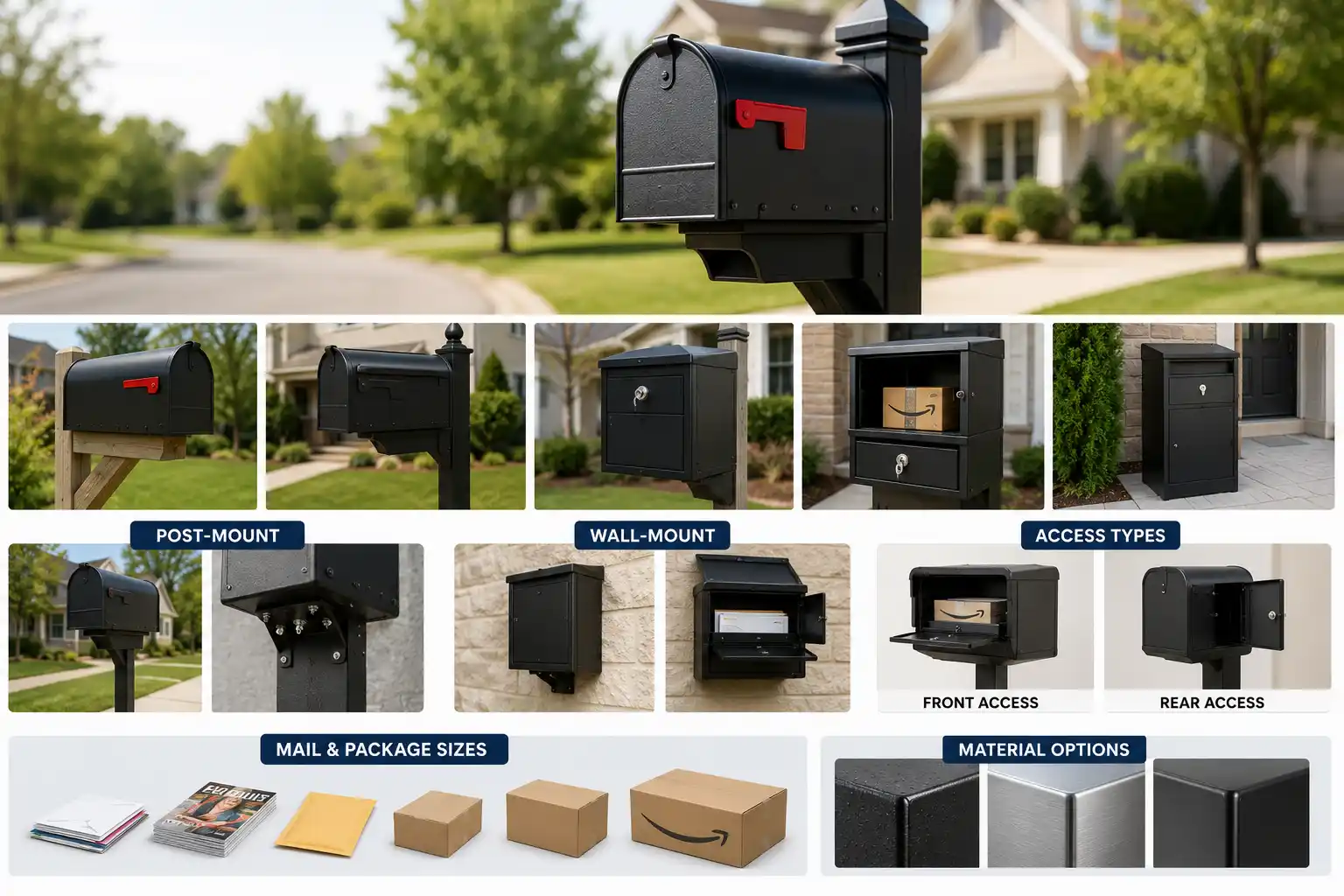
Steel vs Stainless Steel vs Aluminum Mailbox
| Factor | Powder-Coated Steel | Stainless Steel | Aluminum |
|---|---|---|---|
| Rigidity | Very good | Very good | Depends on design |
| Weight | Higher | Higher | Lower |
| Corrosion resistance | Good with quality coating | Very good | Very good |
| Finish options | Excellent | Moderate | Good |
| Large parcel box use | Excellent | Good | Good |
| Maintenance | Inspect coating damage | Periodic cleaning | Low to moderate |
| Typical advantage | Strength + versatility | Corrosion resistance | Low weight |
Choose based on the complete product—not just the material name.
9. How to Choose a Mailbox for Rain and Snow
Weather resistance depends on design as much as material.
Before buying, check the following.
Door Overlap
The door should protect the opening rather than leave a direct path for rain.
Top Design
Water should run away rather than collect on the mailbox roof.
Seams
Look at where the panels meet.
Large exposed seams can become water-entry points.
Drainage
Small drainage openings can prevent condensation or minor water entry from remaining trapped inside.
Hinges
Water should not continuously collect around moving hinge areas.
Coating
Steel mailboxes need suitable corrosion protection.
Installation Location
Try to avoid positioning the mailbox directly under:
Roof runoff
Sprinklers
Standing water
Large snow piles
Even a well-designed mailbox performs better when installation conditions are considered.
10. What Mailbox Is Best for Coastal Areas?
Coastal salt can accelerate metal corrosion.
For coastal installations, pay more attention to:
Corrosion-resistant material
Powder-coating quality
Stainless hardware
Protected edges
Drainage
Hinges
Regular cleaning
Also inspect the mailbox after installation.
Drilling, scratching, or cutting coated steel can expose bare metal.
Any damaged coating should be repaired.
11. What Features Matter Most in a Parcel Box?
If package delivery is your main reason for upgrading, compare these features before buying.
Delivery Opening
Can your regular packages enter?
Usable Interior Capacity
Do not confuse exterior dimensions with actual storage space.
Retrieval Door
Can you remove parcels easily?
Anti-Fishing Protection
Can someone pull packages back through the delivery opening?
Multiple Delivery Capacity
Can another package be delivered when one is already inside?
Weather Resistance
Will packages remain protected from rain and snow?
Lock Position
Can you comfortably unlock and retrieve packages?
Front or Rear Access
Choose based on your installation location and daily retrieval path.
For parcel delivery, these functional details are usually more important than decorative styling.
12. Mailbox Features That Matter More Than Appearance
Before choosing between two similar products, compare the details you will use every day.
Door Size
Can you easily reach all the mail inside?
Lock Position
Is it easy to use without bending or reaching awkwardly?
Door Alignment
Does the door close smoothly?
Hinges
Are they properly supported?
Drainage
Can moisture escape?
Mounting Points
Can the mailbox be securely attached?
House Number Area
Is there enough visible space for the address?
Interior Edges
Will envelopes and packages catch on sharp or unnecessary projections?
Replacement Parts
Can locks or other wear parts be replaced if needed?
These features often affect long-term satisfaction more than the shape or color.
13. Common Mailbox Buying Mistakes
Avoid these before ordering.
Mistake 1: Buying Before Measuring
Measure the available installation area first.
Mistake 2: Choosing Only by Appearance
A good-looking mailbox that does not fit your mail is the wrong product.
Mistake 3: Assuming Bigger Is Always Better
Oversized boxes need more installation space and may require different supports.
Mistake 4: Assuming a Large Mailbox Is a Parcel Box
Check the delivery opening and storage design.
Mistake 5: Looking Only at the Lock
Security depends on the door, hinges, material, and internal design too.
Mistake 6: Ignoring the Existing Post
A new mailbox may need a new mounting board or bracket.
Mistake 7: Forgetting Door Clearance
Make sure front or rear doors can open completely.
Mistake 8: Choosing the Wrong Access Direction
Think about where you will stand when retrieving mail.
Mistake 9: Ignoring Weather
Rain, snow, coastal salt, and irrigation can affect long-term performance.
Mistake 10: Solving the Wrong Problem
If packages are regularly left outside, replacing one standard mailbox with another may not help.
14. Mailbox Buying Checklist
Before ordering, answer these questions.
Delivery
Curbside or door delivery?
Individual or centralized mailbox?
Installation
Post mount?
Wall mount?
Freestanding?
Built into a fence or wall?
Existing post or new installation?
Capacity
Letters only?
Magazines?
Padded envelopes?
Small packages?
Frequent parcels?
Security
Does mail remain unattended?
Do you need locking retrieval?
Is anti-fishing protection important?
Access
Front access?
Rear access?
Is road traffic a concern?
Environment
Heavy rain?
Snow?
Coastal salt?
High humidity?
Strong sun?
Product Details
Exterior dimensions
Interior dimensions
Delivery opening
Retrieval opening
Material
Finish
Lock
Hinges
Drainage
Mounting system
If you know these answers, you can usually eliminate most unsuitable mailbox options immediately.
Mailbox Selection FAQ
What size mailbox should I buy?
Choose based on normal mail volume rather than exterior appearance. A standard mailbox works for daily letters, while larger models are better for catalogs, padded envelopes, several days of mail, and some small packages.
Is a large mailbox better than a standard mailbox?
Only when you need the extra capacity.
A larger mailbox takes up more space and may require a different mounting board or post.
Should I buy a locking mailbox?
Consider one if mail remains outside unattended, the mailbox is in a public area, or mail security is a concern.
Can a locking mailbox receive normal mail?
Yes, provided the mailbox is designed for carrier delivery and meets applicable requirements for the installation type.
What is the difference between a large mailbox and a parcel box?
A large mailbox increases mail capacity.
A parcel box is specifically designed around package delivery, usually with a larger delivery opening and more secure storage.
What is the best mailbox for online shopping?
If packages regularly do not fit into your existing mailbox, consider a parcel box sized around the packages you receive most often.
Is front access or rear access better?
Choose based on the installation.
Front access works well when the rear is blocked.
Rear access can make retrieval safer and more convenient for roadside, fence, and through-wall installations.
What mailbox material lasts longest?
There is no single answer.
Stainless steel and aluminum provide strong corrosion resistance, while properly powder-coated steel can offer excellent outdoor durability and structural strength.
Construction quality matters as much as the material.
How do I choose a mailbox for rain?
Look for good door overlap, protected seams, suitable coating, drainage, and an installation location that avoids direct water runoff.
Should I choose a mailbox or parcel box?
If letters are the main delivery, choose a mailbox.
If package delivery is the main problem you want to solve, choose a parcel box.
How to Choose the Right Mailbox in 60 Seconds
If you still have too many options, use this decision path.
Step 1: How is mail delivered?
Curbside → start with a post-mount mailbox.
Door delivery → consider a wall-mount mailbox.
Step 2: What do you receive?
Mostly letters → standard mailbox.
Letters + catalogs + padded envelopes → large mailbox.
Frequent packages → parcel box.
Step 3: Is mail left unattended?
Yes → consider locking access.
No → a standard design may be enough.
Step 4: How will you retrieve the mail?
Same side as delivery → front access.
From inside the property → rear access.
Step 5: What environment will it face?
Normal inland climate → several materials can work.
Heavy rain / coastal conditions → prioritize corrosion resistance, coating, drainage, and hardware.
At this point, you should have narrowed the choice to one or two mailbox types.
Choose the Mailbox Around the Problem You Need to Solve
The easiest way to choose a mailbox is to stop asking:
“Which mailbox is best?”
Instead ask:
“What problem does my current mailbox fail to solve?”
If the problem is:
Too little space → choose more capacity.
Mail theft → consider locking access.
Packages left at the door → consider a parcel box.
Unsafe roadside retrieval → consider rear access where suitable.
No space behind the mailbox → choose front access.
Rain or corrosion → prioritize material, coating, seams, and drainage.
Existing post → check size and mounting compatibility before replacing everything.
The right mailbox is the one that works for your property every day—not simply the one that looks best in a product photo.
Need Help Choosing the Right Mailbox?
If you are choosing between several mailbox or parcel box designs, prepare these five pieces of information:
Installation type — post mount, wall mount, freestanding, fence, or built-in
Available space — width, depth, and height
Access direction — front or rear
Typical mail and package size
Security or weather requirements
A photo of the installation location is also helpful.
HomeBox Solutions can use this information to help narrow down the appropriate mailbox size, mounting style, access configuration, security level, and parcel capacity before you order.
Popular Parcel Box and Letterbox Products
Choose from existing product styles or develop your own custom series.
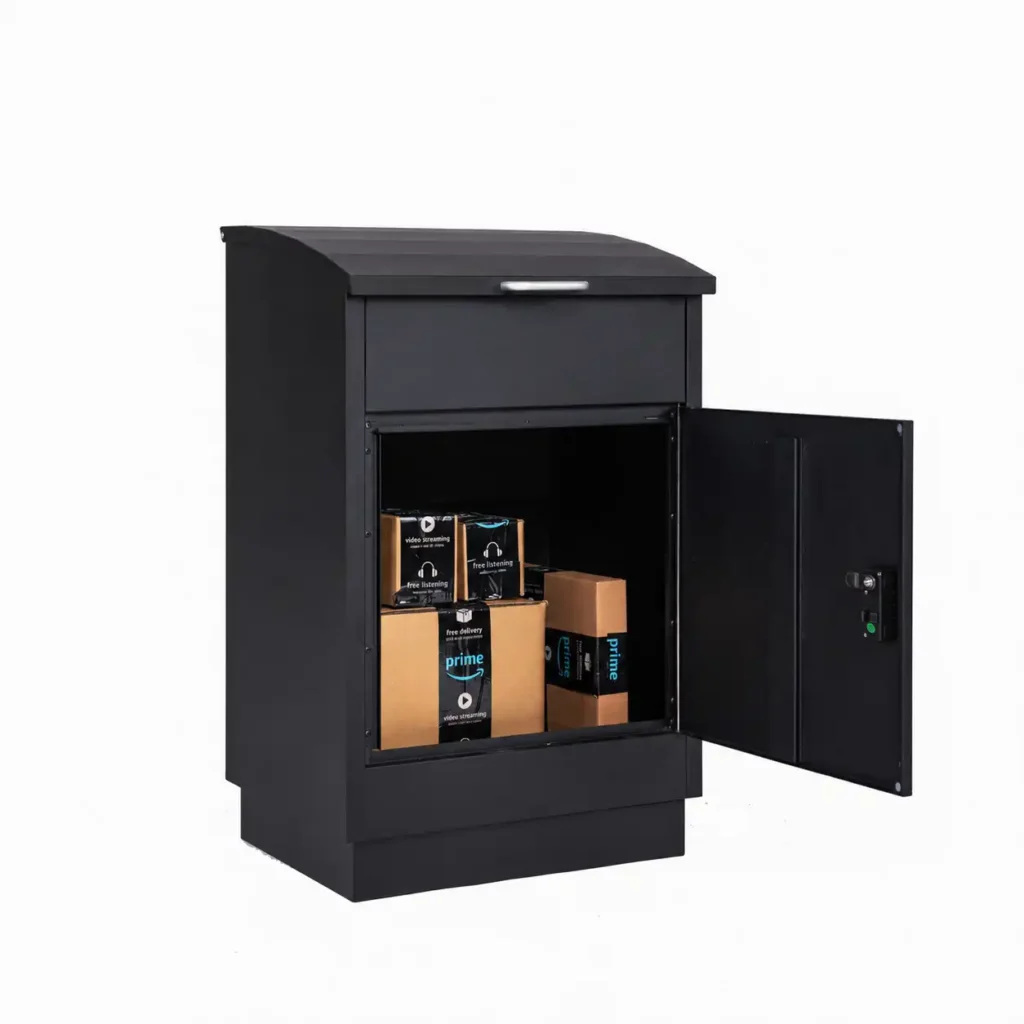
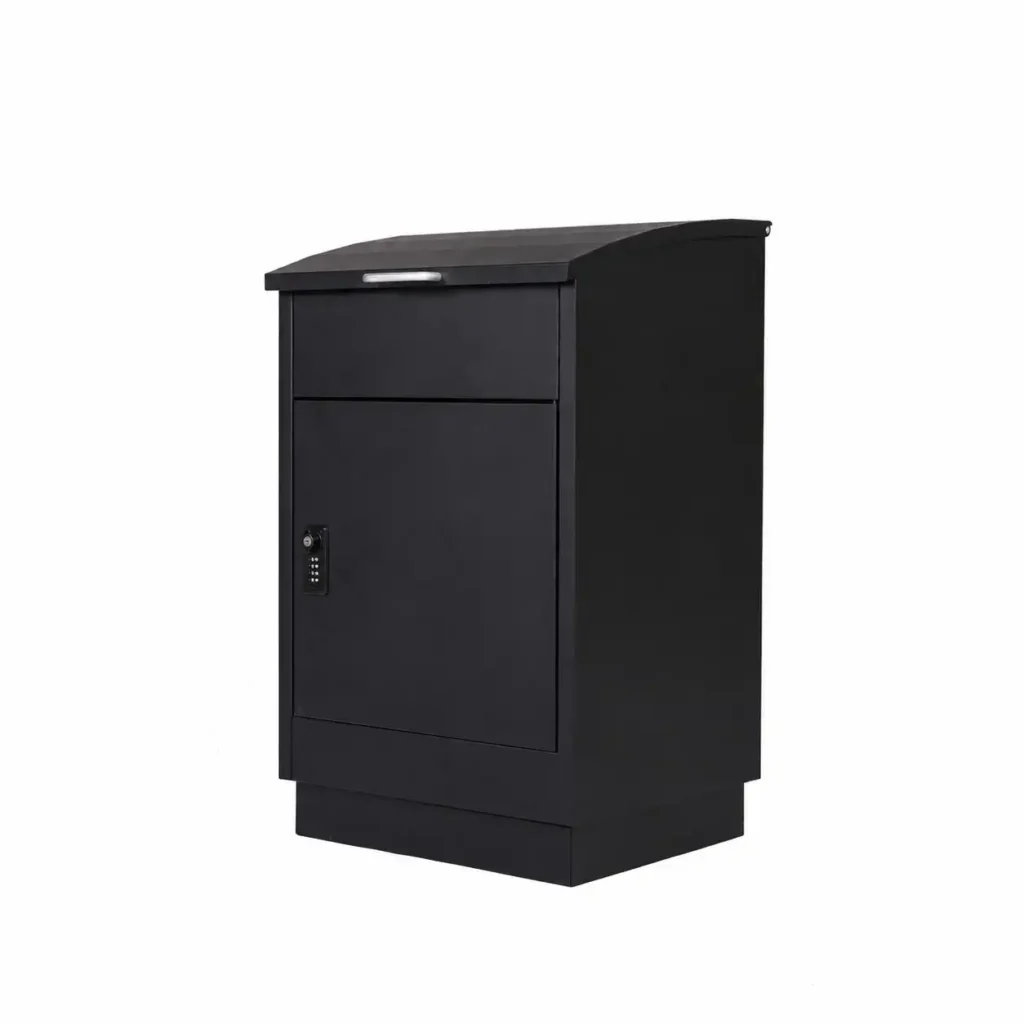
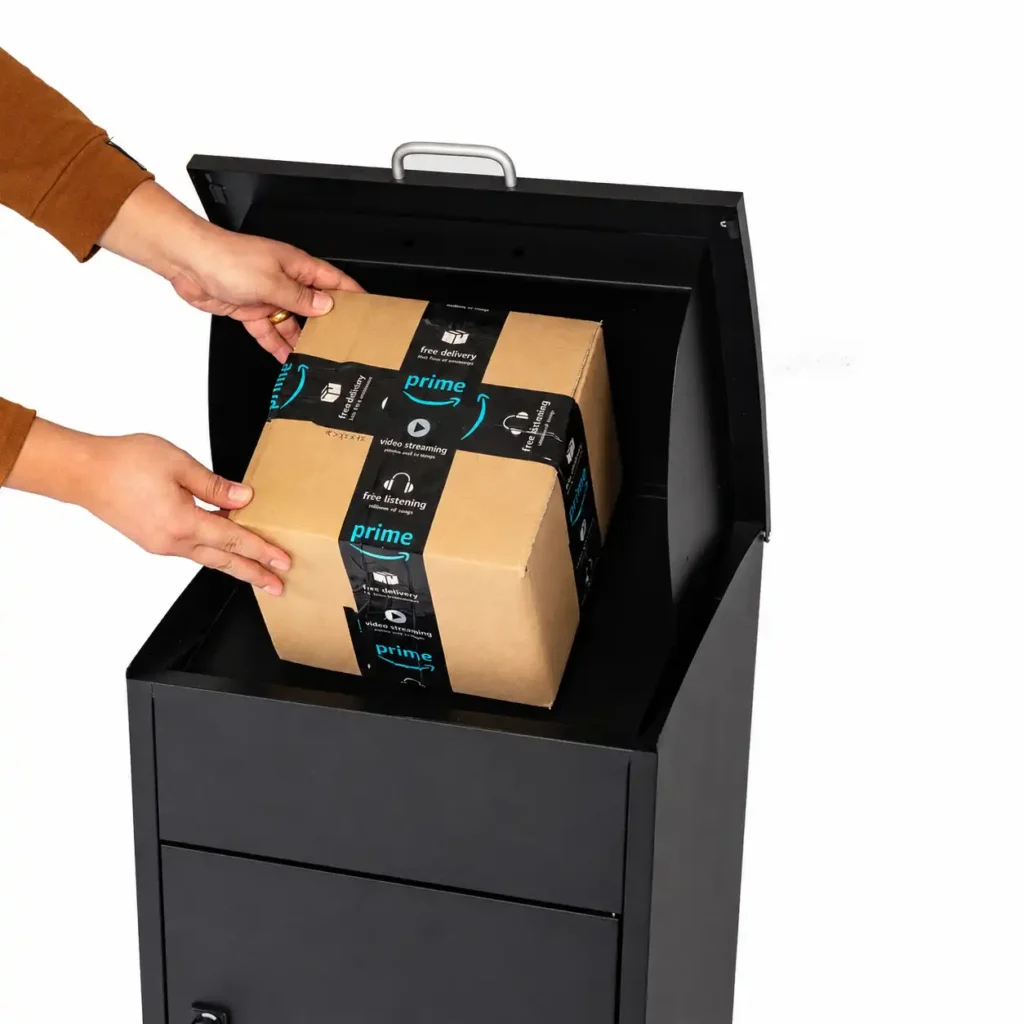
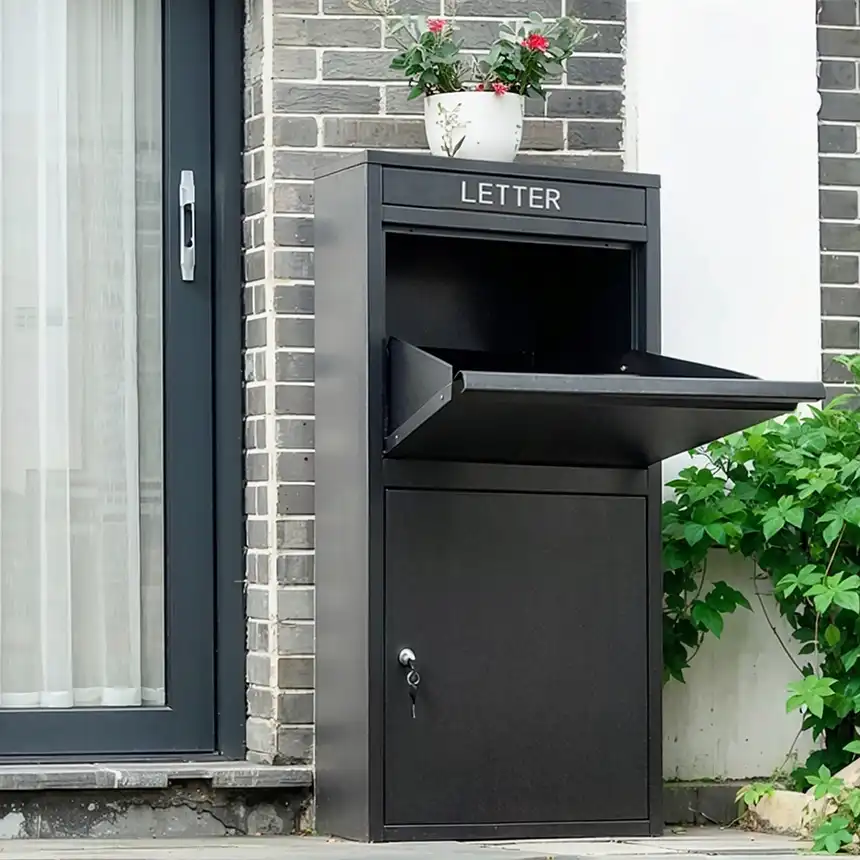
Extra Large Parcel Boxes
High-capacity parcel boxes for oversized packages and busy delivery locations.
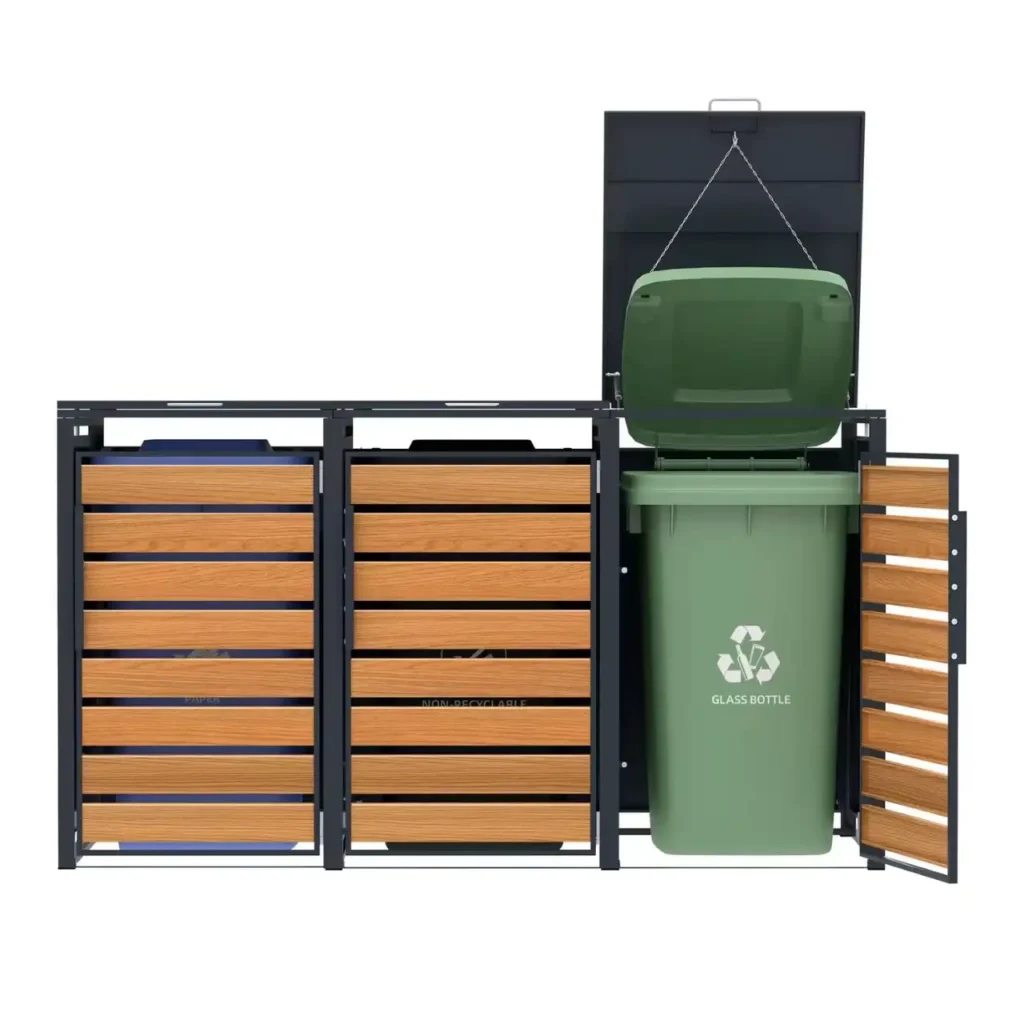
Trash Bin Enclosure
Outdoor trash bin enclosures provide a clean and secure way to store one, two, three, or multiple wheeled bins.
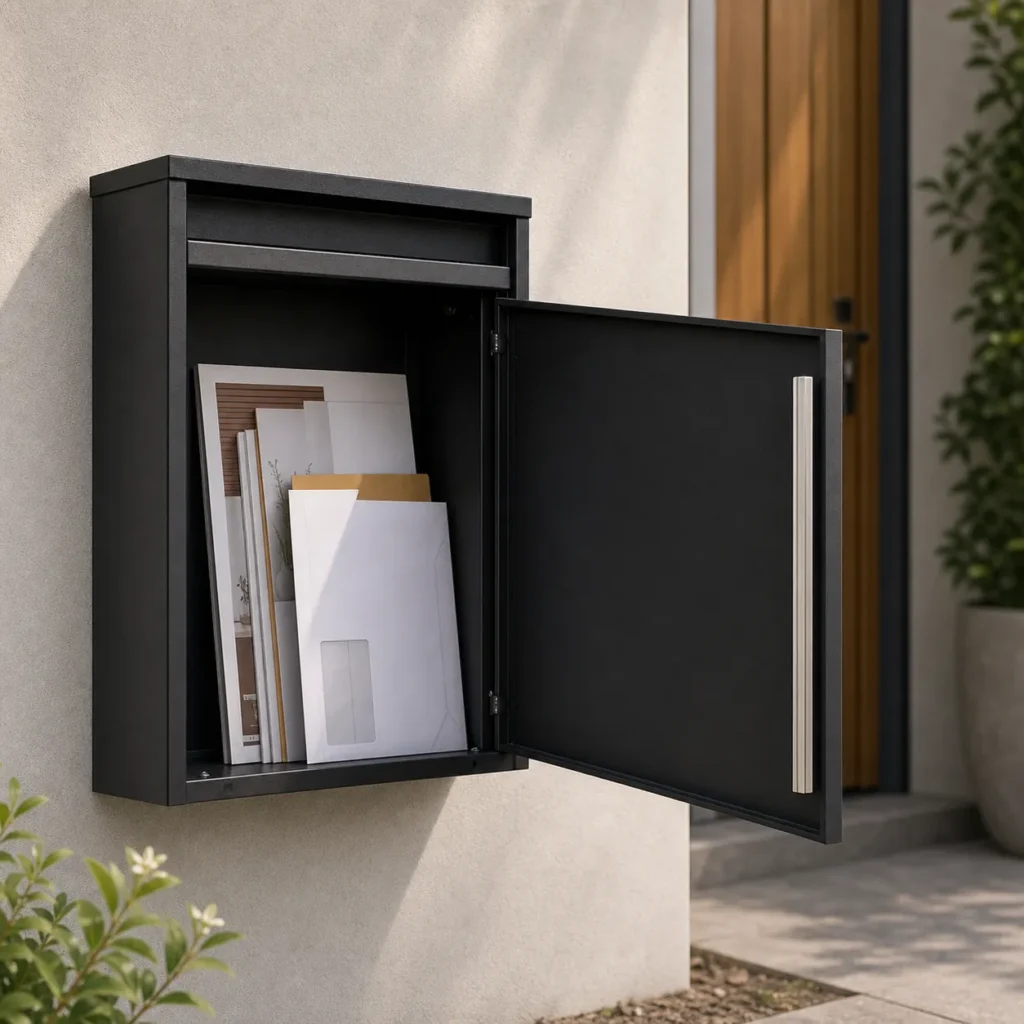
Letter and Mail Boxes
Letter boxes are designed to make mail and small parcel receiving more organized, secure, and convenient.
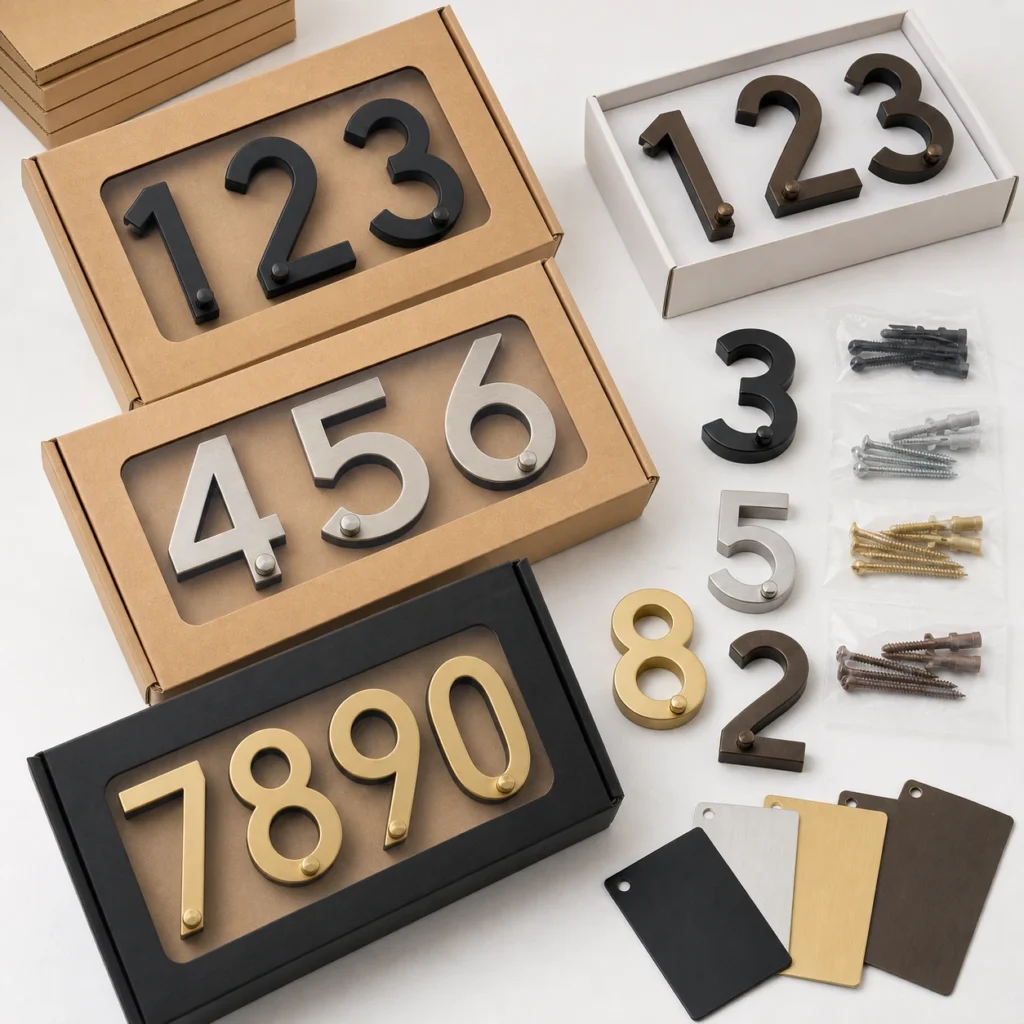
House Numbers
House numbers are small details, but they affect the first impression of a property, the visibility of an address.
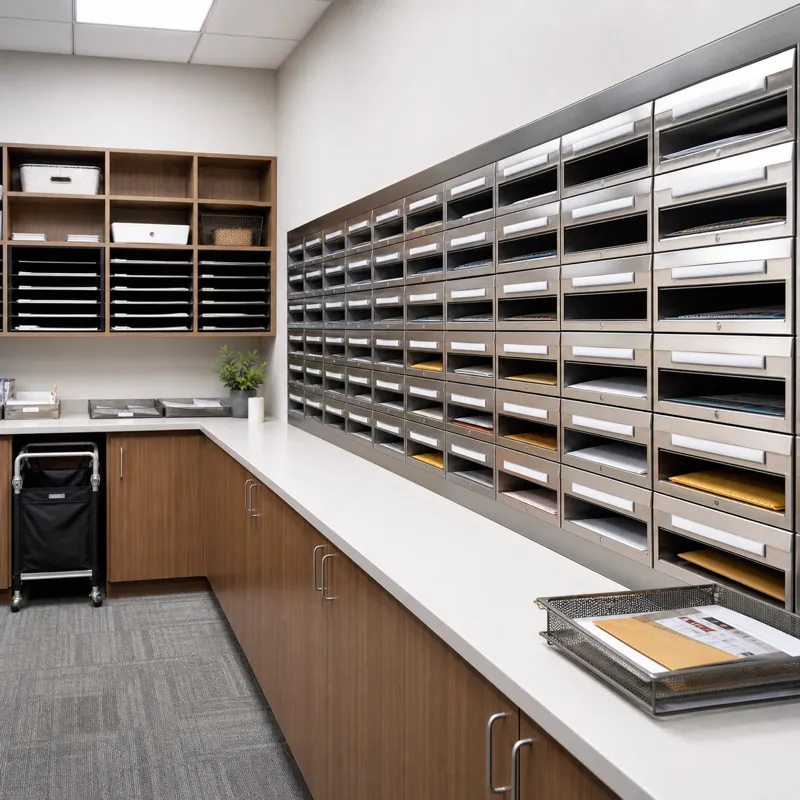
Mail Slots
Mail slots are designed for projects where appearance, size, and installation details matter.