Installation Type
Custom Address Signs
Trash Bin Enclosure

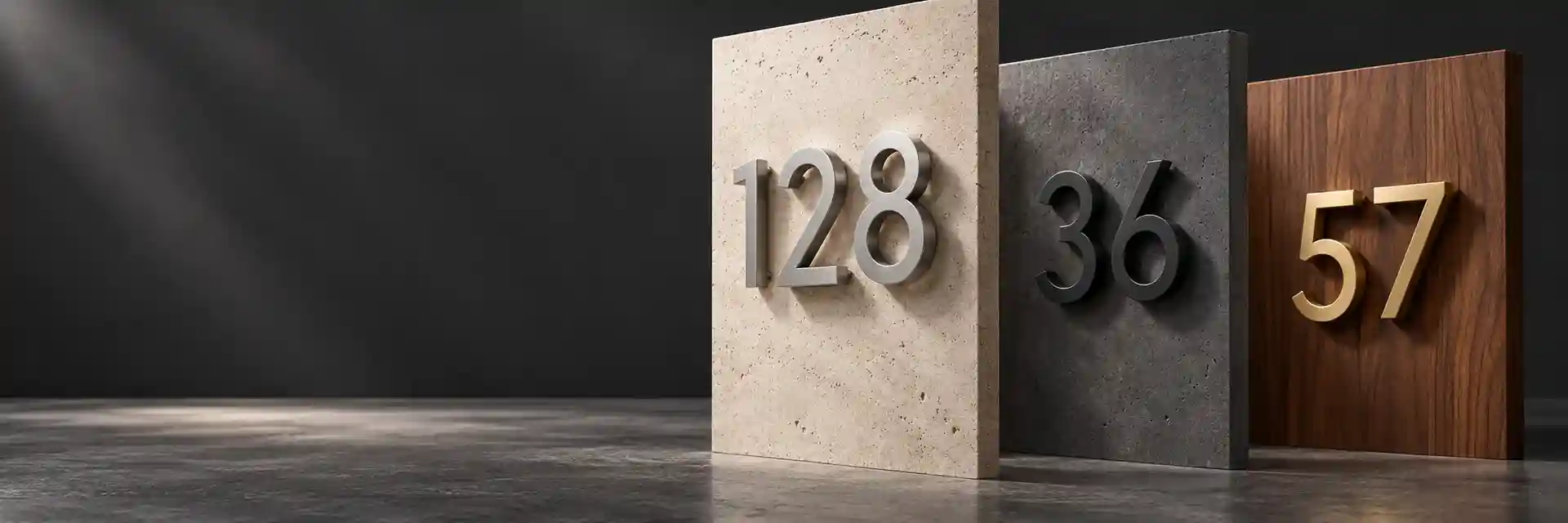
Floating house numbers are mounted slightly away from the installation surface rather than sitting directly against the wall.
The space behind each number creates depth and natural shadow, giving the address a more dimensional architectural appearance. The final effect depends on the number size, wall gap, mounting hardware, finish and surrounding lighting.
Floating numbers are commonly used on exterior walls, entrance panels, gate columns and other visible address areas where appearance is as important as identification.
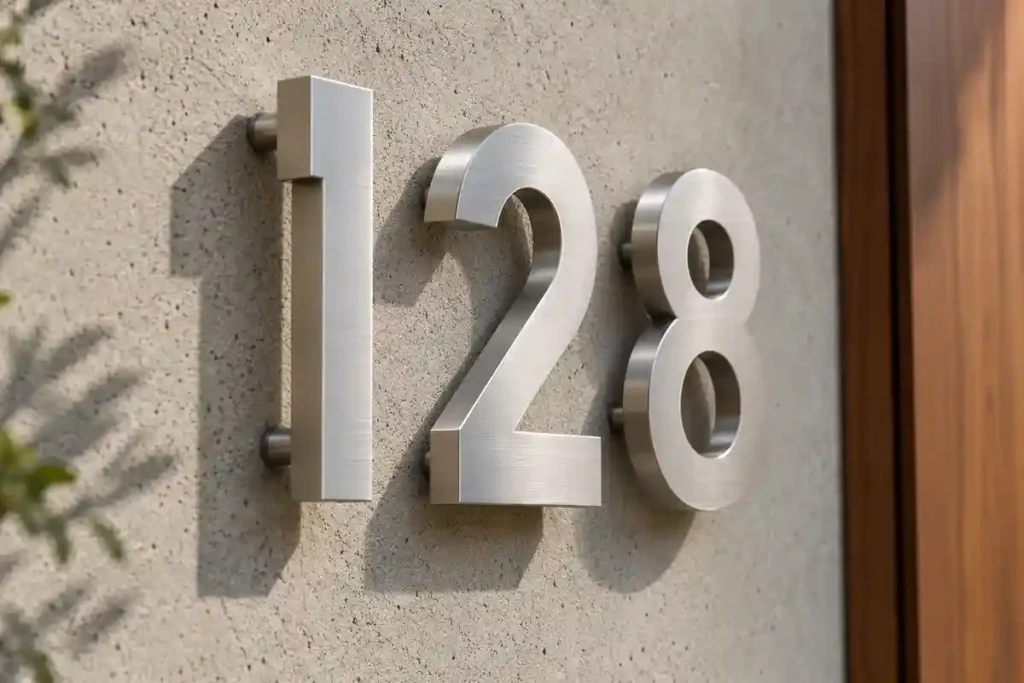
Floating address numbers add depth and a clean raised appearance to residential, commercial and architectural entrance areas.
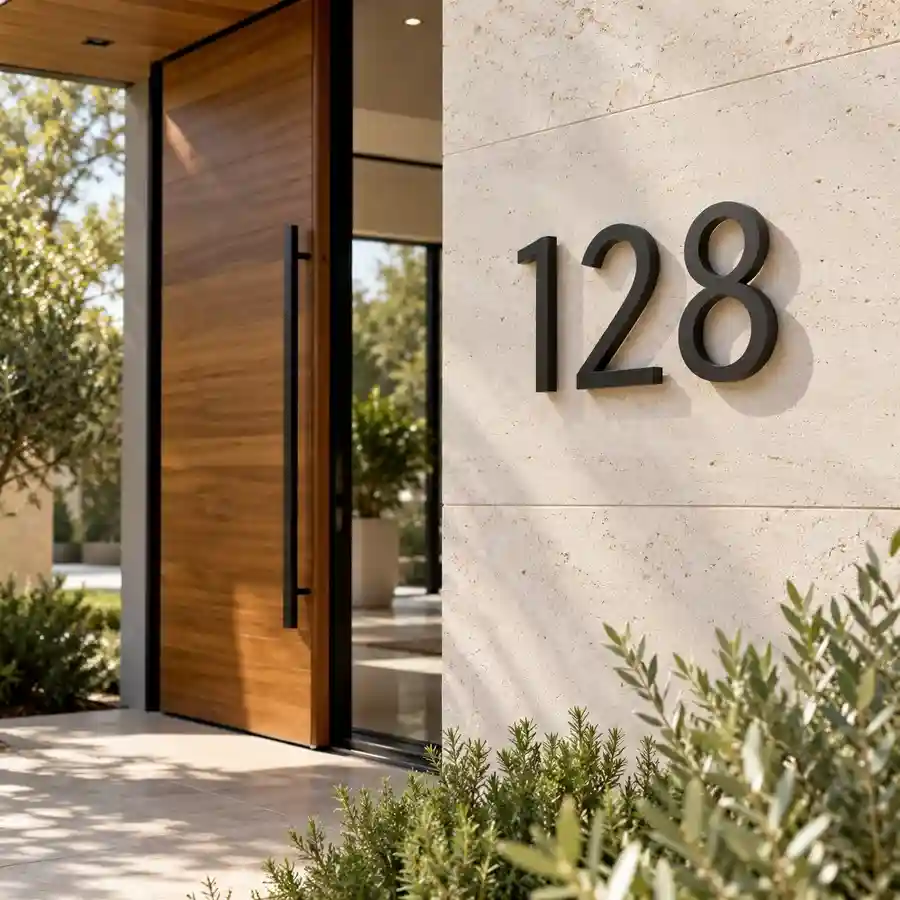
Raised house numbers for entrance walls, facade panels and design-led projects requiring a dimensional architectural appearance.
Inquiry Now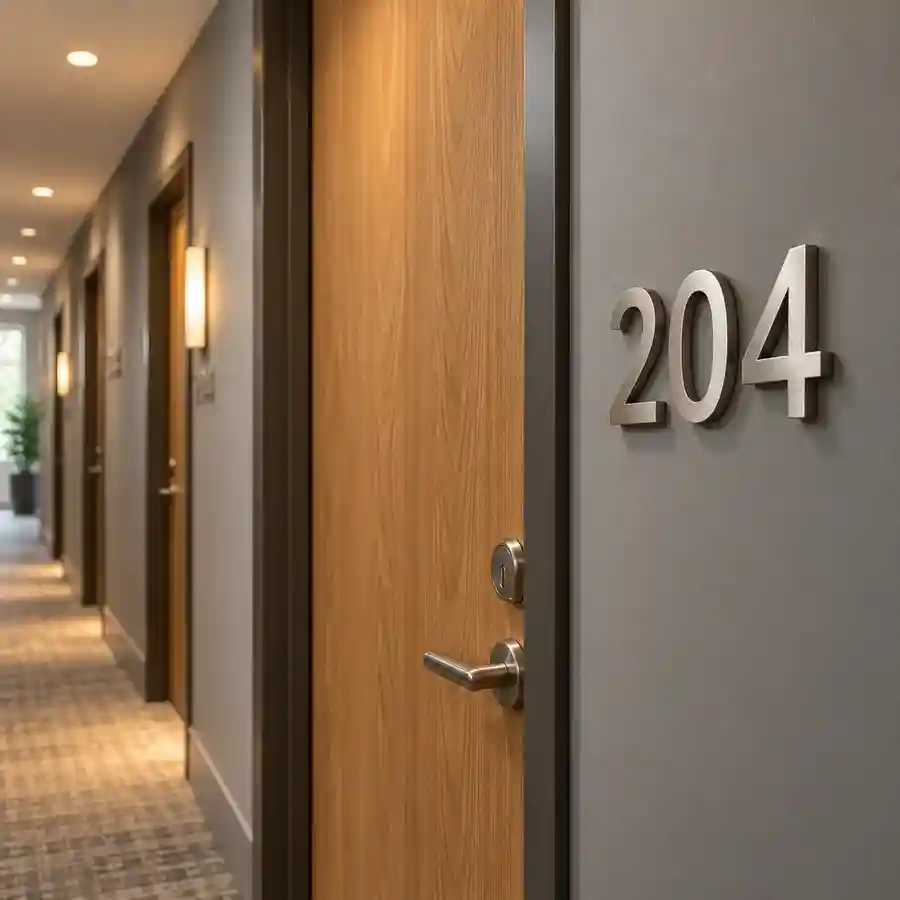
Floating building and unit numbers for apartment entrances, shared residential areas and development projects.
Inquiry Now
Raised address numbers for office entrances and commercial properties requiring clear identification and coordinated exterior hardware.
Inquiry Now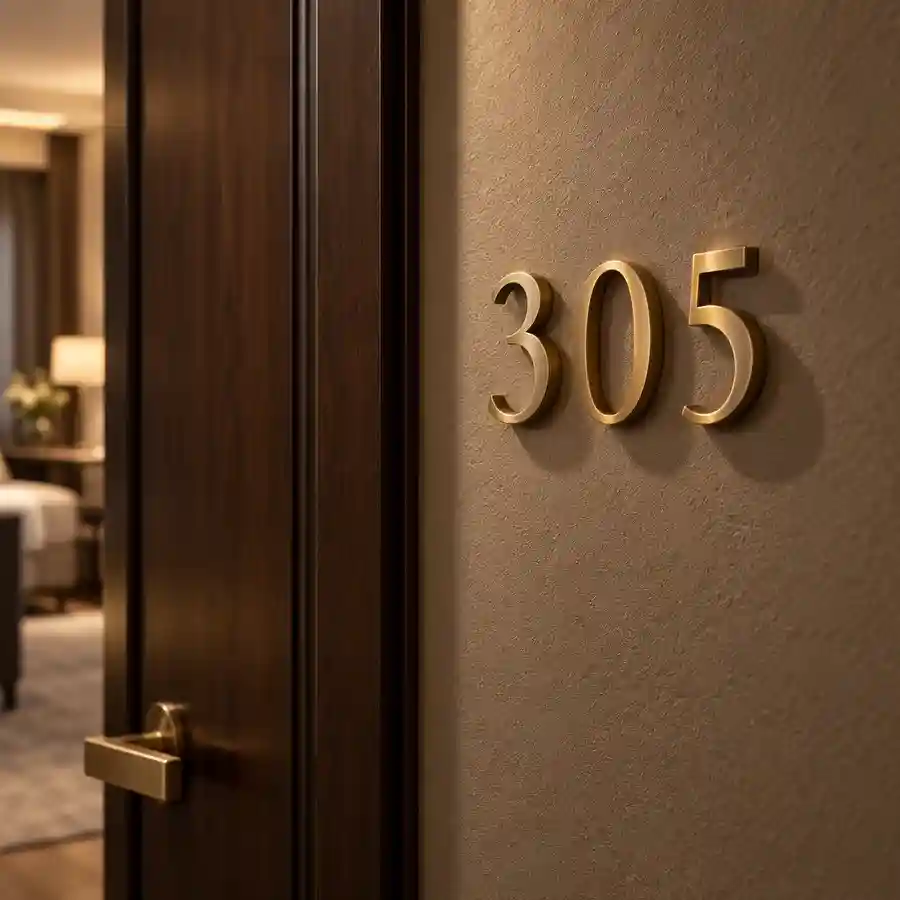
Floating numbers for hotels, villas and serviced apartments where entrance design and finish consistency are important.
Inquiry Now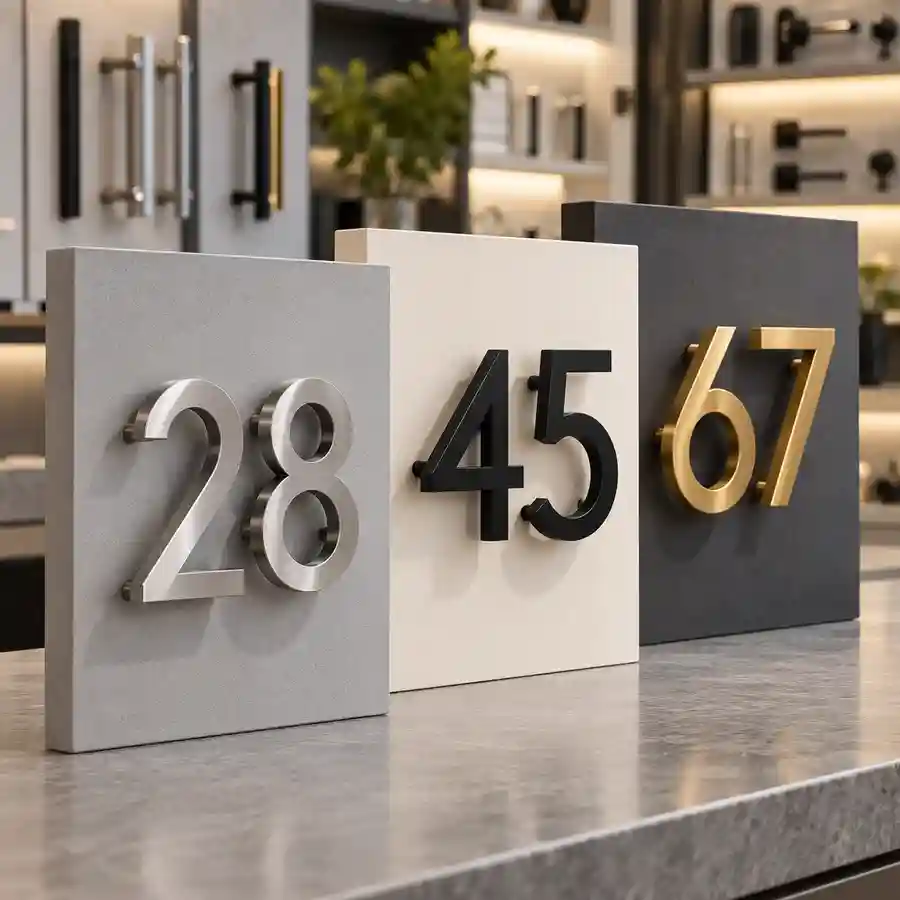
Floating house number ranges for hardware stores, home improvement retailers and exterior accessory brands.
Inquiry Now
Building and entrance numbers for campus facilities where durable identification and clear visibility are required.
Inquiry Now| Item | Common Options |
|---|---|
| Product Type | Floating house numbers, raised address numbers, letters |
| Material | Stainless steel, aluminum, zinc alloy or other suitable materials |
| Size | Small, medium, large, oversized or custom |
| Thickness | Model-specific or custom |
| Wall Gap | Selected according to number size and desired raised effect |
| Mounting | Rear pins, threaded studs, spacers or standoff hardware |
| Finish | Brushed, polished, matte black, gold, bronze or coated |
| Installation Surface | Masonry, concrete, timber, entrance panels or other suitable substrates |
| Layout | Individual numbers, complete address sets or number-and-letter combinations |
| Installation Support | Hole-position information or template for suitable projects |
| Packaging | Individual set, mounting kit, retail box or OEM packaging |
| Order Type | Wholesale, OEM and project supply |
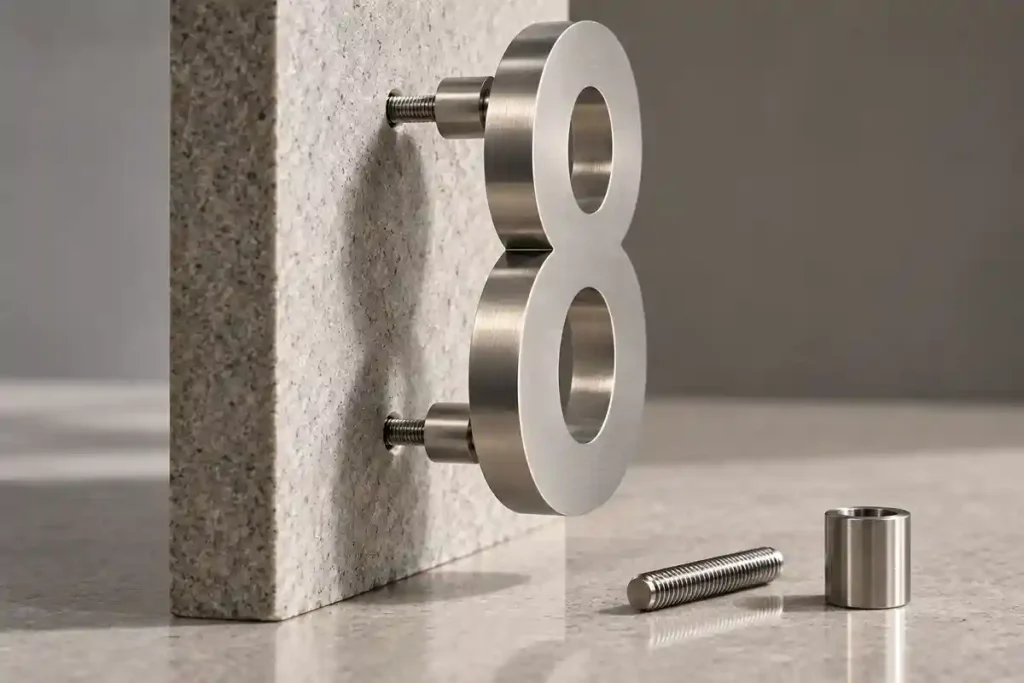
The final appearance of floating house numbers depends on how far the numbers are positioned from the wall and how the rear mounting system is designed.
Different spacing can create a subtle raised appearance or a stronger three-dimensional effect.
Spacers, rear pins or other concealed mounting components can be selected according to the number design and required wall clearance.
A larger wall gap generally creates a more visible natural shadow, while a smaller gap provides a cleaner and more restrained appearance.
Stud positions and hole spacing should be confirmed before installation to keep the address aligned and evenly spaced.
Floating house numbers are mounted away from the wall using rear studs, spacers or standoff hardware, creating a visible gap and dimensional appearance.
The wall gap depends on the number size, mounting design and desired visual effect. Different spacing options can be developed for suitable OEM projects.
Most floating mounting systems require accurately positioned holes for rear studs or mounting hardware.
They can be installed on suitable masonry, concrete, timber, entrance panels and other surfaces that can support the selected mounting system.
Yes, when suitable materials, finishes and mounting hardware are selected for the installation environment.
Not exactly. Stud mounting describes the fixing method, while floating numbers intentionally create a visible gap between the number and wall.