Installation Type
A mailbox post may look like a small part of your mailbox setup, but it plays a very important role.
A good mailbox post keeps the mailbox stable, straight, and easy to use. A weak post can make the mailbox lean, shake, rust, crack, or even fall over after long outdoor use.
So, what is the best mailbox post?
For most homes, a powder-coated steel mailbox post is one of the best choices because it provides strong support, long-term outdoor durability, and a clean look. For lightweight mailboxes, aluminum can also work well. For classic home styles, treated wood is still a popular option.
The best mailbox post depends on your mailbox weight, installation location, weather conditions, home style, and whether you are installing a standard mailbox, locking mailbox, or parcel box.
This guide will help you compare mailbox post materials, structures, weather performance, and buying tips before choosing the right post for your home.
Quick Answer: What Is the Best Mailbox Post?
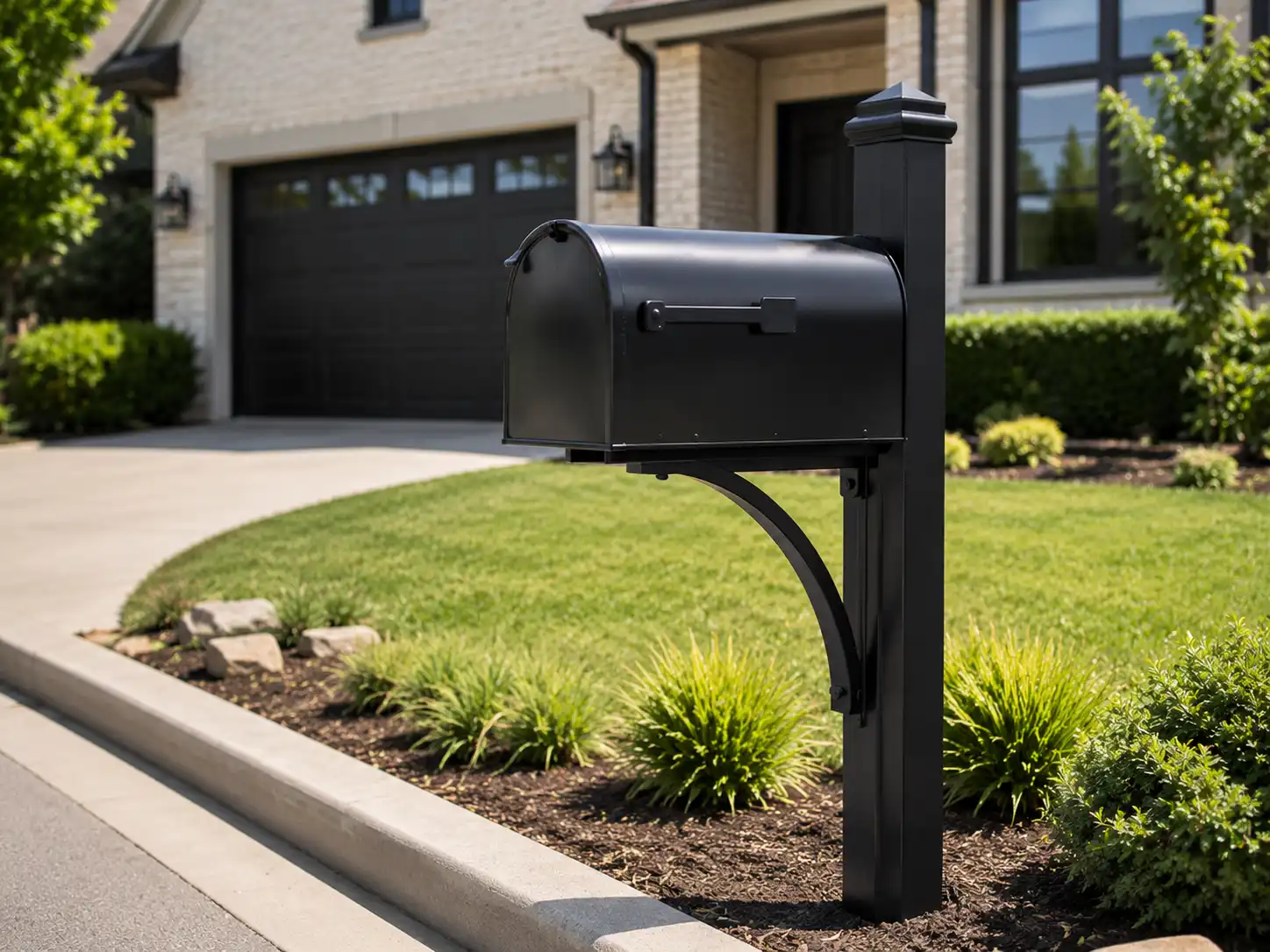
The best mailbox post is strong enough to support the mailbox, stable enough for outdoor installation, and durable enough to handle weather over time.
For most residential homes, a powder-coated steel post is a practical choice because it works well with standard curbside mailboxes, locking mailboxes, and many heavier mailbox designs.
Here is a simple guide:
| Your Need | Best Mailbox Post Choice | Why It Works |
|---|---|---|
| Standard curbside mailbox | Steel or treated wood post | Provides stable support for daily mail delivery |
| Heavy locking mailbox | Reinforced steel post | Better support for extra mailbox weight and secure mailbox structures |
| Lightweight wall or curbside mailbox | Aluminum post | Easier to install and naturally resistant to rust |
| Classic home style | Treated wood post | Gives a traditional look that matches many residential homes |
| Modern home exterior | Powder-coated metal post | Clean appearance and flexible color options |
| Parcel box or large mailbox | Steel post or ground-mounted base | Better for larger size, package weight, and long-term stability |
If you want one simple answer, choose a steel mailbox post for strength and durability. Choose wood for a traditional style. Choose aluminum if lightweight installation and rust resistance matter more.
Why the Mailbox Post Matters
The mailbox post is the base of the whole mailbox setup.
Even if the mailbox itself is strong, the full installation can still fail if the post is weak. This is especially important for locking mailboxes and parcel boxes because they are usually heavier than basic letter mailboxes.
A good mailbox post affects:
- Mailbox stability
- Delivery access
- Long-term safety
- Weather resistance
- Appearance
- Installation strength
- Mailbox height and position
- Support for heavier mailbox designs
If the post is too weak, the mailbox may tilt forward. If the post is not installed deeply enough, it may become loose. If the material is not suitable for outdoor use, it may rust, rot, crack, or bend.
That is why choosing the right mailbox post is just as important as choosing the mailbox itself.
What Is the Best Kind of Post for a Mailbox?
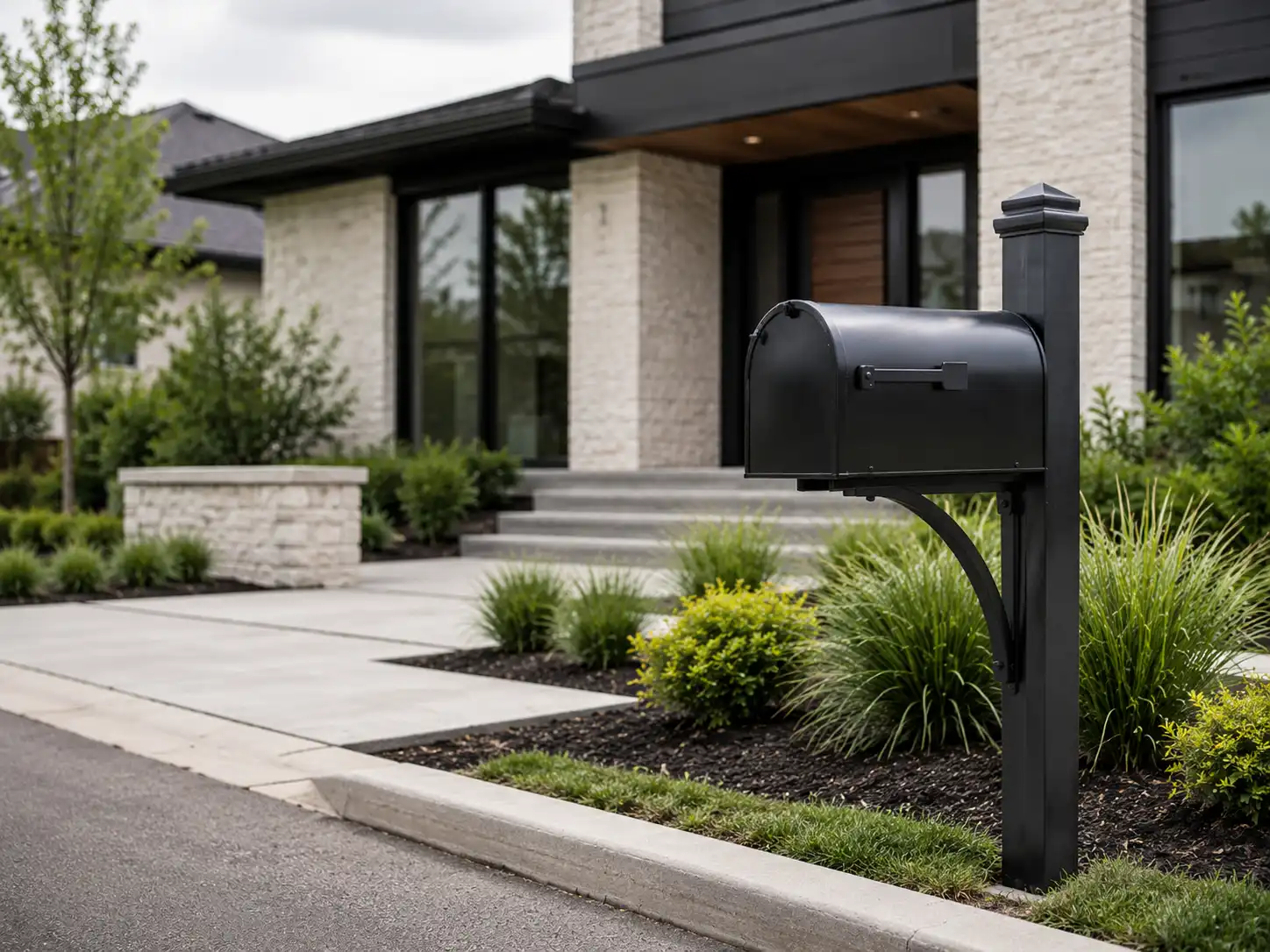
The best kind of post for a mailbox depends on the mailbox type and the installation area.
A small standard mailbox does not need the same post as a heavy locking mailbox or parcel box. A mailbox installed near the road also needs different support compared with a mailbox near a front entrance or gate.
Common mailbox post types include:
- Single metal post
- Wooden post
- Aluminum post
- Decorative post
- Post with mounting arm
- Double mailbox post
- Ground-mounted parcel box base
- Custom mailbox post system
For standard curbside mailboxes, a single post with a mounting arm is common. For heavy mailboxes, a stronger steel post or reinforced support may be better. For parcel boxes, a ground-mounted base or direct floor installation may be more suitable than a narrow post.
Before choosing a post, check:
- The mailbox weight
- The installation surface
- The delivery position
- The local weather
- The home exterior style
- Whether the mailbox needs extra security
The best kind of mailbox post is the one that supports the mailbox safely and fits the real installation condition.
Best Mailbox Post Materials for Different Homes
Different homes need different mailbox post materials.
A suburban home, coastal home, modern house, and traditional property may not need the same post style.
| Home or Use Case | Recommended Mailbox Post Material | What to Check |
| Standard suburban home | Steel or treated wood | Check post height, ground depth, and mailbox weight support |
| Modern home entrance | Powder-coated steel or aluminum | Match the post color and finish with the mailbox and exterior design |
| Coastal home | Aluminum or stainless steel | Focus on corrosion resistance and outdoor surface protection |
| Rainy area | Powder-coated steel or treated wood | Check coating quality, drainage, and ground contact protection |
| Heavy locking mailbox | Reinforced steel | Make sure the post can support extra weight and repeated door use |
| Parcel box setup | Steel base or ground-mounted structure | Confirm package weight, box size, and installation stability |
| Decorative home style | Treated wood or decorative metal | Balance appearance with strength and outdoor durability |
The right mailbox post material should match both the mailbox and the environment.
If the mailbox is large, heavy, or designed for security, the post should be stronger. If the mailbox is light and decorative, the post can focus more on appearance.
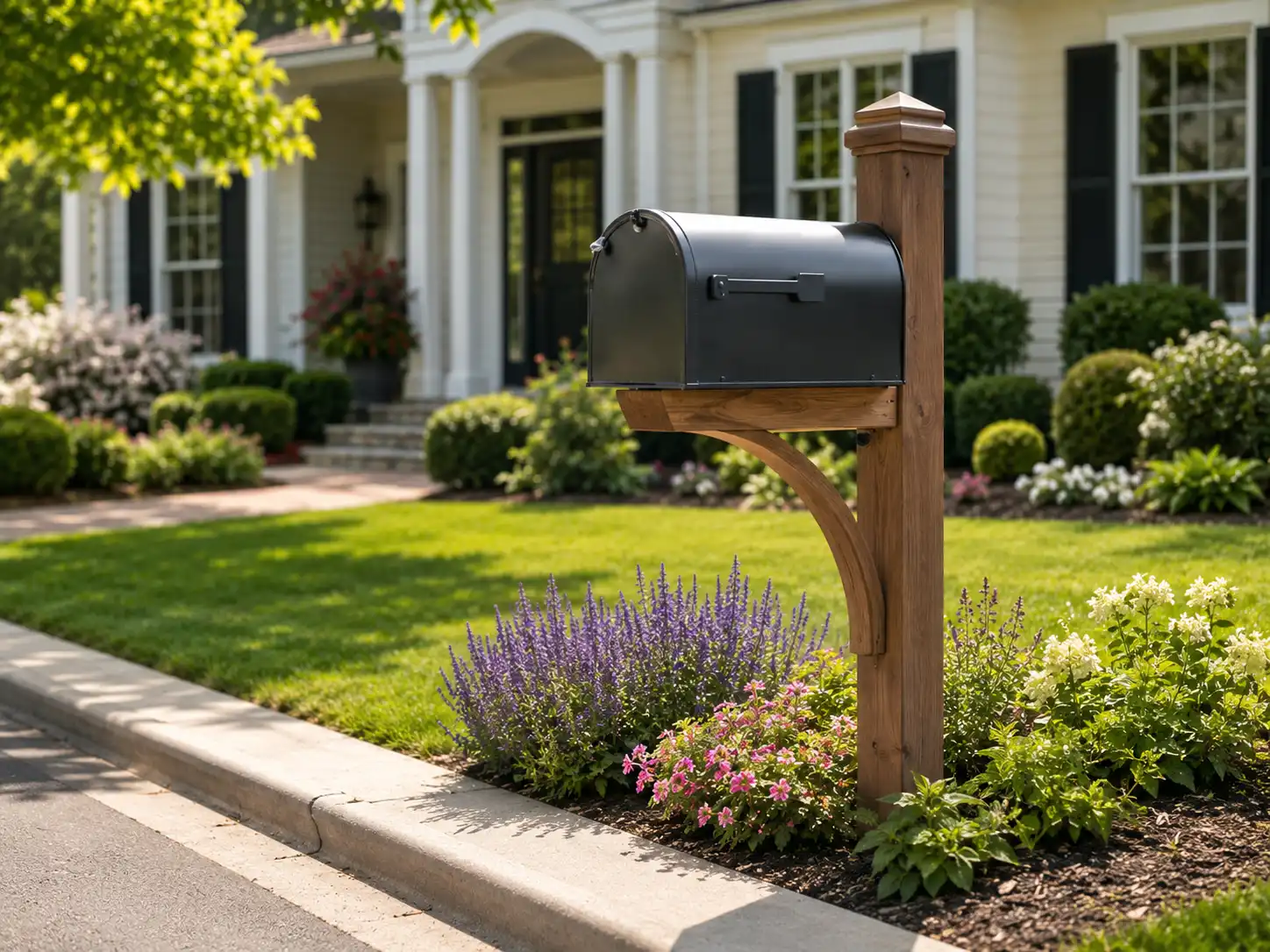
Steel Mailbox Posts: Best for Strength and Long-Term Use
Steel is one of the strongest and most practical materials for mailbox posts.
A steel mailbox post can support standard mailboxes, locking mailboxes, and many larger mailbox designs. It is often used when strength and long-term outdoor performance are important.
Steel mailbox posts are suitable for:
- Curbside mailboxes
- Locking mailboxes
- Heavy metal mailboxes
- Modern mailbox designs
- Commercial mailbox projects
- Custom mailbox systems
The main advantage of steel is strength. It can provide firm support and reduce shaking or leaning when properly installed.
Steel also works well with powder coating. A powder-coated steel post can match the mailbox color, such as black, white, gray, bronze, or custom colors. This helps create a clean and complete mailbox setup.
However, steel needs good surface protection. If the coating is damaged or the post is exposed to water for a long time, rust may appear. This is especially important near the ground area, screw holes, and welded parts.
For most homes, a powder-coated steel mailbox post gives a strong balance of durability, appearance, and cost.
Aluminum Mailbox Posts: Best for Lightweight and Rust Resistance
Aluminum is a good choice when lightweight installation and rust resistance are important.
An aluminum mailbox post is easier to handle than steel. It is naturally resistant to rust, which makes it useful for outdoor mailbox installations.
Aluminum mailbox posts are suitable for:
- Lightweight mailboxes
- Wall or curbside mailbox systems
- Modern residential designs
- Coastal or humid areas
- Decorative mailbox setups
The main advantage of aluminum is that it does not rust like ordinary steel. It can also be powder coated or finished in different colors.
However, aluminum is usually not as strong as steel for heavy-duty use. If the mailbox is large, heavy, or designed for security, steel may be a better choice.
Aluminum works best for smaller mailboxes, lightweight mailbox systems, and homes where rust resistance matters more than heavy load support.
Wooden Mailbox Posts: Best for Classic Home Style
Wooden mailbox posts are still popular for many homes.
They give a traditional and warm look. A wooden post can match classic houses, garden-style homes, farmhouse entrances, and natural landscapes.
Wooden mailbox posts are suitable for:
- Traditional homes
- Garden-style properties
- Farmhouse designs
- Decorative curbside mailboxes
- Homes that prefer a natural look
The main advantage of wood is appearance. It can be painted, stained, shaped, or customized more easily than many metal posts.
However, wood needs more maintenance. Outdoor wood can absorb moisture, crack, rot, or attract insects if it is not treated properly. The part of the post near or inside the ground is especially important because it is exposed to moisture.
If you choose a wooden mailbox post, use treated wood and protect it with outdoor paint or sealant. Regular inspection is also important.
Wood is a good choice for style, but it may not be the best choice for heavy locking mailboxes or large parcel boxes.
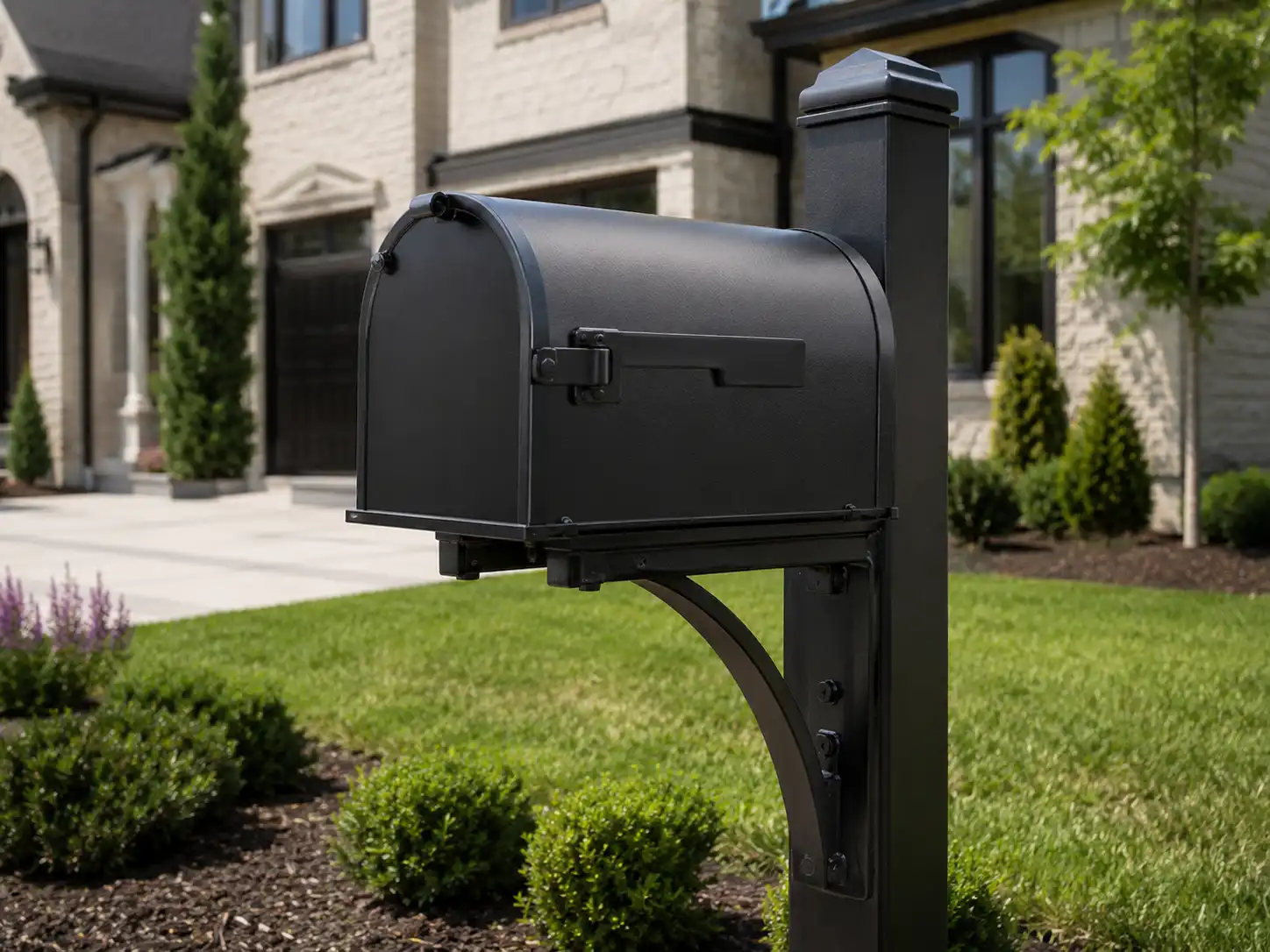
Decorative Mailbox Posts: Best for Curb Appeal
A decorative mailbox post is designed to improve the appearance of the mailbox area.
It may be made from metal, wood, aluminum, or composite material. Some decorative posts include curves, brackets, caps, address number plates, planter features, or matching mailbox arms.
Decorative mailbox posts are suitable for:
- Homes that care about curb appeal
- Front yard mailbox setups
- Custom home exteriors
- Neighborhood properties
- Decorative mailbox projects
The main benefit is appearance. A decorative post can make the mailbox look more finished and attractive.
But appearance should not be the only factor. A decorative post still needs to support the mailbox weight, handle outdoor weather, and stay stable after installation.
Before choosing a decorative mailbox post, check:
- Material strength
- Outdoor finish
- Mounting method
- Mailbox weight support
- Ground installation depth
- Weather resistance
- Compatibility with your mailbox size
A decorative post is best when it combines both appearance and structure.
Mailbox Post Material Comparison: Steel, Aluminum, Wood, and Plastic
Here is a practical comparison of common mailbox post materials.
| Mailbox Post Material | Outdoor Performance | Strength and Stability | Best Application |
| Powder-coated steel | Handles daily outdoor use well when the coating protects against rain, sun, and surface wear | Strong support for standard mailboxes, locking mailboxes, and heavier metal mailbox designs | Best for most residential mailbox posts, secure mailbox setups, and long-term curbside use |
| Aluminum | Naturally resistant to rust and easier to install because of its lighter weight | Suitable for lightweight mailboxes, but less ideal for heavy parcel boxes or high-security mailbox systems | Best for modern lightweight mailbox posts, coastal homes, and rust-resistant installations |
| Treated wood | Can perform well outdoors when sealed, painted, or pressure-treated | Stable for standard mailboxes, but may need maintenance against moisture and cracking | Best for traditional homes, farmhouse styles, and decorative curbside mailbox setups |
| Plastic or PVC | Does not rust and is easy to maintain in simple outdoor conditions | Better for light-duty mailbox setups, not heavy locking mailboxes or parcel boxes | Best for basic residential mailboxes with low weight and simple installation needs |
| Decorative metal | Offers both structure and visual appeal when made with strong material and proper coating | Can support standard or heavier mailboxes depending on design and mounting quality | Best for homes that want curb appeal with better long-term durability than basic decorative posts |
For most homeowners, powder-coated steel is the strongest and most flexible choice. Treated wood is a good option for traditional style. Aluminum works well when rust resistance and lightweight installation are important.
Best Mailbox Post for Heavy Mailboxes and Parcel Boxes
Heavy mailboxes need stronger posts.
This is especially true for locking mailboxes and parcel boxes. These products are often made from thicker metal and may have larger doors, locks, hinges, and storage compartments.
A weak post may not support the weight properly. Over time, the mailbox may lean forward, shake when opened, or become unstable.
For heavy mailboxes, choose:
- Steel post
- Reinforced metal post
- Strong mounting plate
- Stable ground installation
- Proper screw or bolt connection
- Ground-mounted base for parcel boxes
A parcel box usually needs more support than a normal mailbox because it may hold packages, not just letters. If the parcel box is large, a narrow post may not be enough. A ground-mounted or freestanding base may be more practical.
For secure mailboxes, the post also matters because a loose mailbox is easier to damage. A strong mailbox should be matched with a strong installation system.
Best Mailbox Post for Different Weather Conditions
Weather can affect the life of a mailbox post.
A mailbox post stands outdoors every day, so it must handle rain, sunlight, snow, soil moisture, and temperature changes.
Best Mailbox Post for Rainy Areas
For rainy areas, powder-coated steel or treated wood can work well if protected properly.
Steel posts need strong coating, especially near the bottom and screw holes. Wooden posts should be sealed or treated to reduce moisture damage.
The ground contact area is very important. If water stays around the post base, both metal and wood can be affected over time.
Best Mailbox Post for Coastal Areas
For coastal areas, aluminum or stainless steel is often a better choice.
Salt air can speed up corrosion. If using steel, choose a high-quality coating and inspect the post regularly.
Aluminum can be useful in coastal areas because it naturally resists rust. Stainless steel is also a strong choice for premium mailbox post systems.
Best Mailbox Post for Snowy Areas
For snowy areas, choose a strong post with stable installation.
Powder-coated steel or treated wood can both work. The post should be able to handle cold weather, snow contact, and possible impact from snow buildup or cleaning.
The installation depth and stability are very important in cold climates.
Best Mailbox Post for Hot and Sunny Areas
For hot and sunny areas, choose a post with a durable surface finish.
Powder-coated steel and aluminum can both work well. Plastic may fade or weaken after long sun exposure. Wood may crack if it is not protected properly.
A good outdoor finish helps the mailbox post keep its appearance longer.
A Real Selection Example: Choosing a Post for a Heavy Locking Mailbox
One common situation we see is that homeowners focus on the mailbox body first, then realize the post also needs to be upgraded.
For example, a homeowner may want to replace a basic letter mailbox with a heavier locking mailbox. The new mailbox has a metal body, larger door, lock system, and stronger structure.
At first, the homeowner may think the old wooden post can still be used. But after checking the mailbox weight and installation condition, the risk becomes clear.
The old post may already be slightly loose. The new locking mailbox is heavier than the original mailbox. When the owner opens the locked door every day, the extra movement can make the post weaker over time.
In this case, a better choice would be a reinforced steel mailbox post with:
- Strong load support
- Stable ground installation
- Powder-coated outdoor finish
- Proper mounting plate
- Secure screw connection
- Color matched to the mailbox
This example shows why mailbox post selection should not be ignored.
A strong locking mailbox needs a strong post. A parcel box may need an even stronger base or ground-mounted structure.
Manufacturing View: What We Check in a Mailbox Post Design
From a manufacturing point of view, a mailbox post is not just a vertical tube or wooden pole.
It needs to support weight, handle outdoor weather, connect properly with the mailbox, and stay stable after installation.
Important design points include:
- Post thickness
The post should be thick enough to support the mailbox weight without bending easily. - Mounting plate design
The plate or bracket should match the mailbox bottom and distribute weight properly. - Screw hole position
Screw holes should align with the mailbox and provide stable fastening. - Welding strength
For metal posts, welded areas should be strong enough for outdoor use and repeated load. - Surface coating
Powder coating or other outdoor finishes help protect the post from rain, sun, and corrosion. - Base stability
The lower part of the post should be designed for stable ground or surface installation. - Mailbox weight support
A post for a locking mailbox or parcel box needs stronger support than a post for a small letter mailbox. - Weather exposure
Rainy, coastal, snowy, or sunny areas may require different materials and finishes. - Style matching
The post should match the mailbox color, shape, and home exterior.
A mailbox post should be designed for real outdoor use, not only for product photos. A good post should support the mailbox safely and keep the full setup looking clean for years.
Common Mistakes When Choosing a Mailbox Post
Many mailbox post problems come from choosing too quickly.
Here are common mistakes to avoid:
- Reusing an old post without checking its strength
- Choosing a post that is too weak for a heavy mailbox
- Ignoring the mailbox weight
- Installing the post too shallow in the ground
- Choosing untreated wood for outdoor use
- Ignoring rust protection on metal posts
- Not checking screw hole alignment
- Choosing appearance over stability
- Using a narrow post for a large parcel box
- Not matching the post with the mailbox design
A mailbox post should look good, but it must first support the mailbox properly.
If the post is weak, even a high-quality mailbox can become unstable.
Mailbox Post Buying Checklist
Use this checklist before choosing a mailbox post.
| Before Buying | What to Check |
| Mailbox weight | Choose a stronger steel post or reinforced support for heavy locking mailboxes and parcel boxes |
| Mailbox type | Match the post with curbside mailboxes, wall-mounted systems, locking mailboxes, or parcel boxes |
| Installation location | Check whether the post will be installed near the road, driveway, gate, or entrance |
| Material choice | Choose steel for strength, aluminum for rust resistance, or treated wood for classic style |
| Outdoor weather | Select proper coating or treatment for rain, sun, snow, humidity, or coastal air |
| Mounting method | Check mounting plate, bracket, screw holes, and connection strength |
| Post stability | Make sure the post can stay straight and firm after installation |
| Home style | Match the post color, shape, and finish with the mailbox and home exterior |
| Long-term maintenance | Choose metal for lower maintenance or treated wood if you prefer a traditional look |
| Custom needs | Consider custom size, color, bracket, post height, packaging, or OEM mailbox post production |
This checklist helps you choose a mailbox post that works well with your mailbox and installation environment.
Final Recommendation: What Mailbox Post Should You Choose?
The best mailbox post depends on your mailbox type, weight, home style, and outdoor environment.
For most homes, a powder-coated steel mailbox post is a strong and practical choice. It provides good support, works with many mailbox styles, and can be finished in different colors.
Choose aluminum if you want a lightweight post with natural rust resistance.
Choose treated wood if you want a traditional or decorative look and are willing to maintain it.
Choose a reinforced steel post or ground-mounted base if you are installing a heavy locking mailbox or parcel box.
Before buying, focus on:
- Mailbox weight
- Post material
- Weather resistance
- Installation stability
- Mounting design
- Surface finish
- Home exterior style
- Long-term maintenance
A good mailbox post should hold the mailbox securely, stay stable outdoors, and match the look of your home.
The best post is not only the one that looks nice. It is the one that supports your mailbox safely every day.
Need a Custom Mailbox and Post Solution?
A durable mailbox setup needs both a strong mailbox and a reliable post or mounting structure.
HomeBox Solutions supports custom mailbox, locking mailbox, parcel box, and mailbox post solutions for residential, commercial, and project use. We can help with material selection, post design, surface finish, color, size, mounting structure, packaging, and OEM/ODM production.
If you need a custom mailbox and post solution for your home, business, or project, contact us to discuss your requirements.
FAQ
What is the best mailbox post?
For most homes, a powder-coated steel mailbox post is one of the best choices because it provides strong support, outdoor durability, and a clean appearance. Treated wood is good for classic home styles, while aluminum is useful for lightweight and rust-resistant installations.
What is the best kind of post for a mailbox?
The best kind of post depends on the mailbox type. A standard curbside mailbox can use steel or treated wood. A heavy locking mailbox should use reinforced steel. A parcel box may need a ground-mounted base or stronger support structure.
What is the best material for a mailbox post?
Steel is usually best for strength and long-term stability. Aluminum is better for lightweight rust-resistant designs. Treated wood is best for traditional appearance but needs more maintenance.
Is a metal mailbox post better than wood?
A metal mailbox post is usually better for strength, lower maintenance, and heavy mailboxes. A wooden post is better if you want a classic or decorative look, but it needs regular protection against moisture and cracking.
Is aluminum good for a mailbox post?
Yes, aluminum is good for lightweight mailbox posts and rust-resistant installations. However, it may not be the best choice for heavy locking mailboxes or large parcel boxes.
Can I use a wood post for a locking mailbox?
You can use a wood post for some locking mailboxes if the post is strong and properly installed. However, for heavier locking mailboxes, a reinforced steel post is usually more stable.
What post is best for a heavy mailbox?
A reinforced steel post is usually best for a heavy mailbox. It offers stronger support, better stability, and better long-term performance than light-duty posts.
What post is best for a parcel box?
A parcel box often needs a steel support system or ground-mounted base. Because parcel boxes are larger and may hold packages, they need stronger installation than a basic mailbox.
How deep should a mailbox post be installed?
The proper depth depends on local rules, soil conditions, post type, and mailbox weight. In general, the post should be deep enough to stay stable and straight after installation.
Should the mailbox post match the mailbox material?
It does not always need to be the same material, but it should match in strength, color, style, and installation method. A heavy metal mailbox should not be installed on a weak or unstable post.
Popular Parcel Box and Letterbox Products
Choose from existing product styles or develop your own custom series.
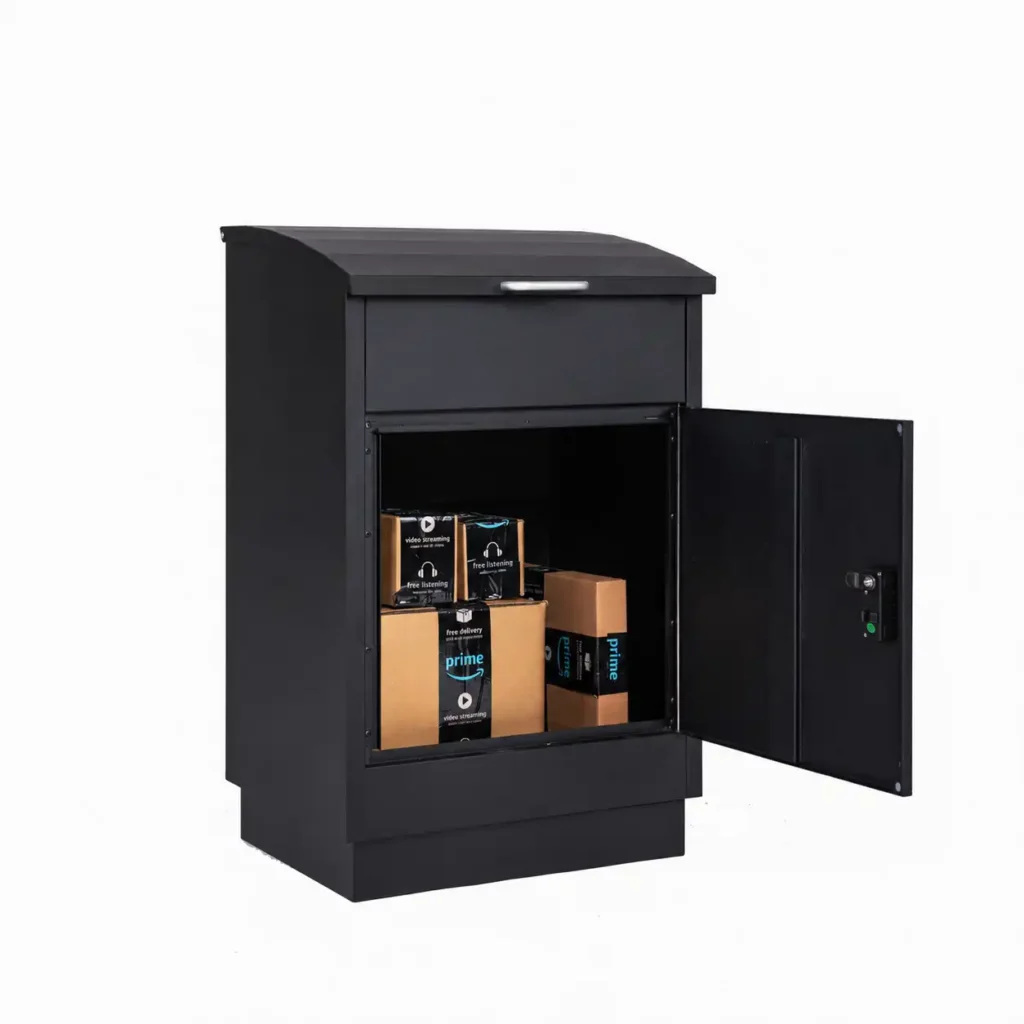
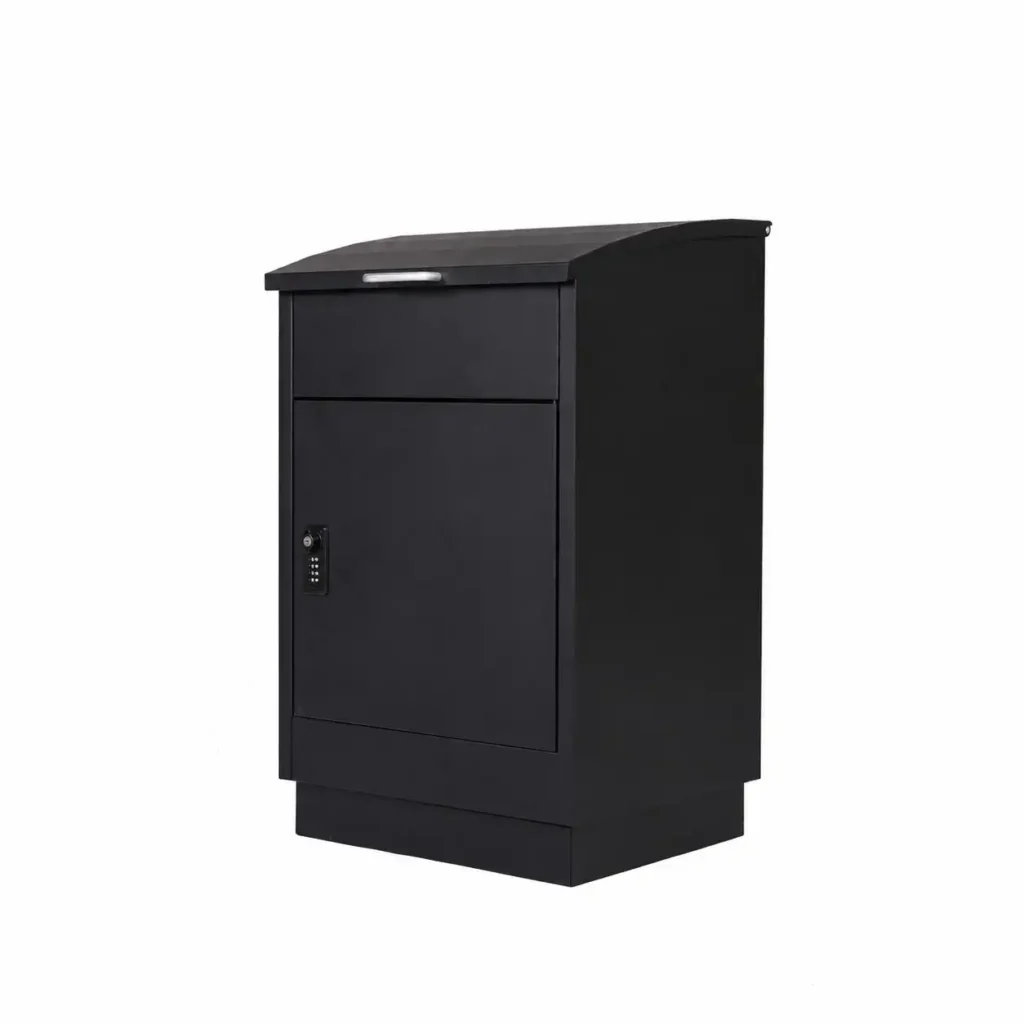
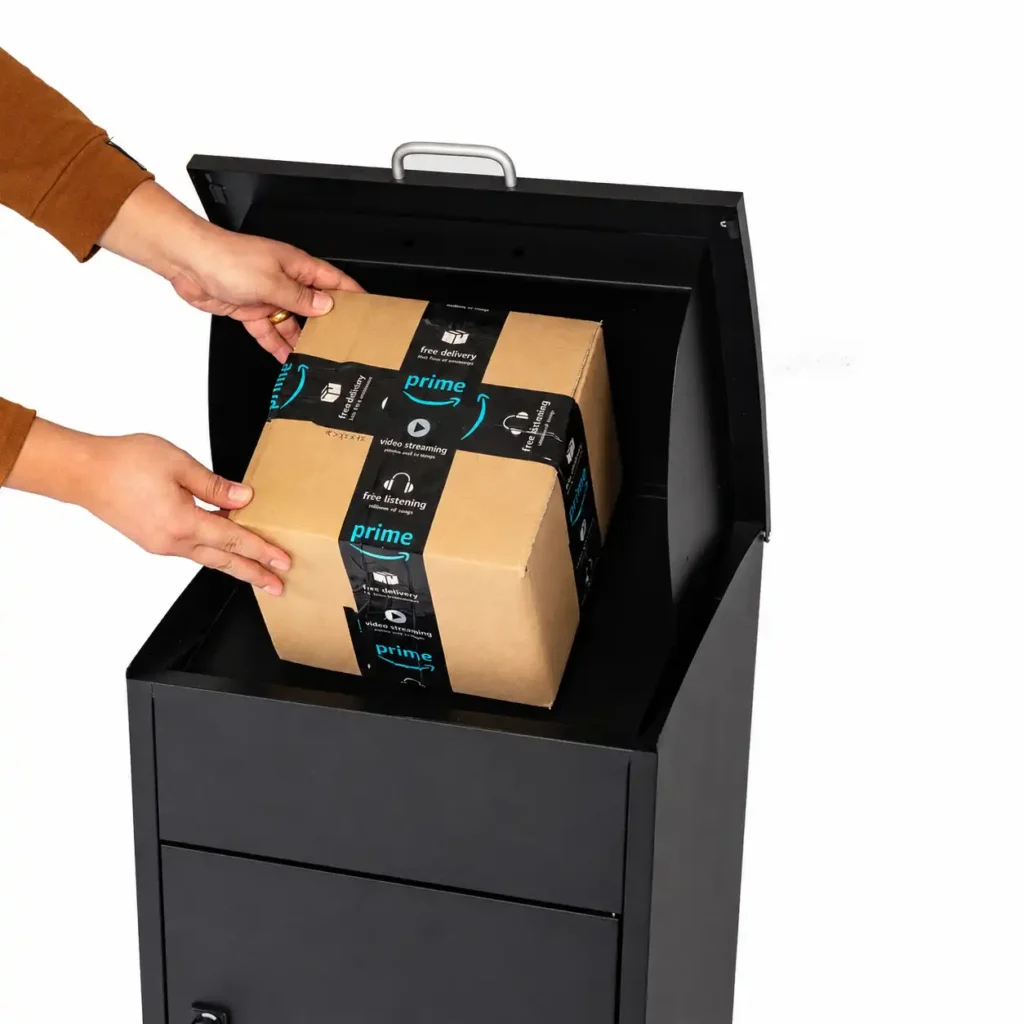
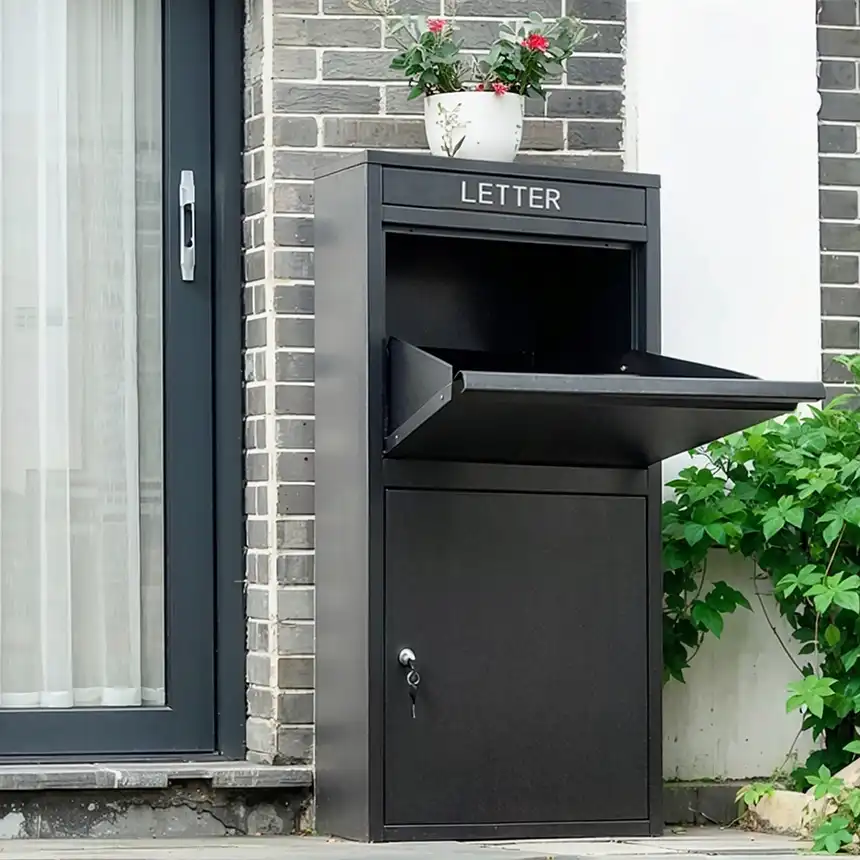
Extra Large Parcel Boxes
High-capacity parcel boxes for oversized packages and busy delivery locations.
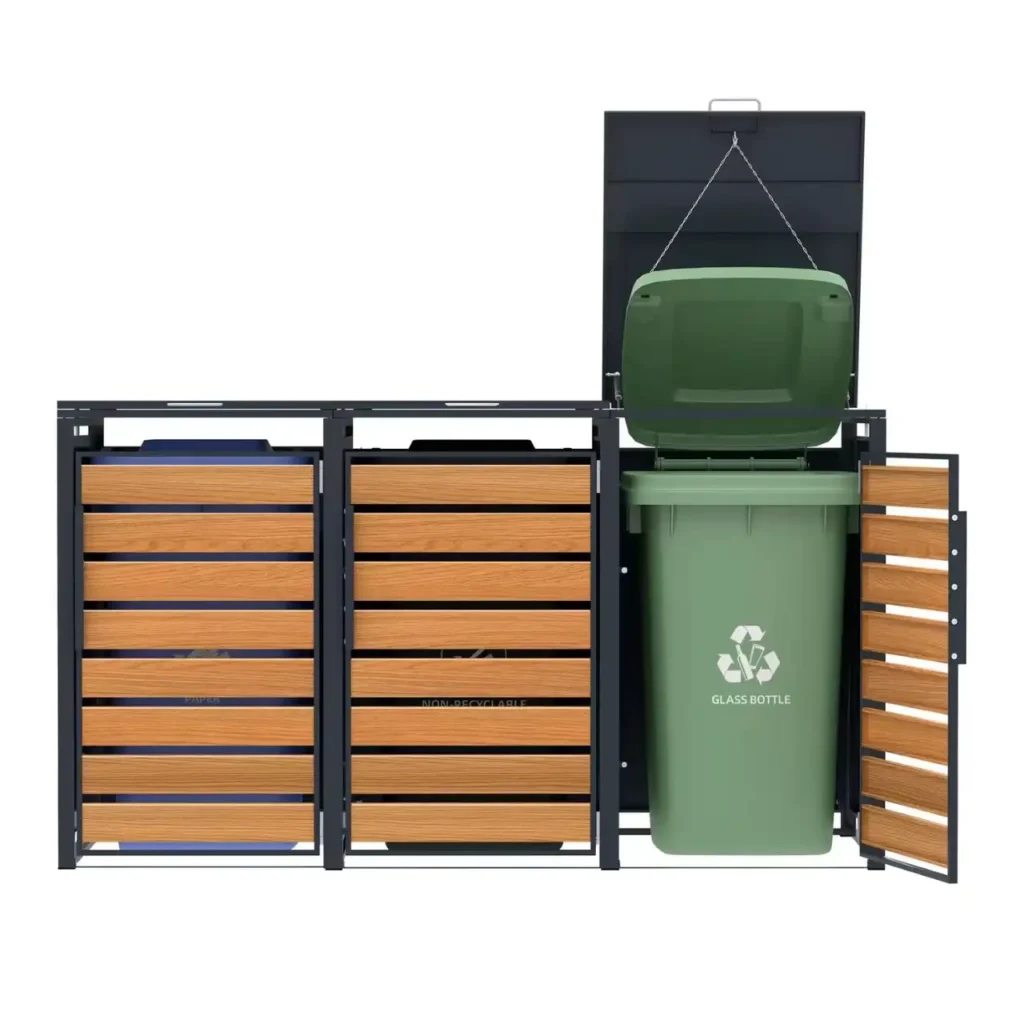
Trash Bin Enclosure
Outdoor trash bin enclosures provide a clean and secure way to store one, two, three, or multiple wheeled bins.
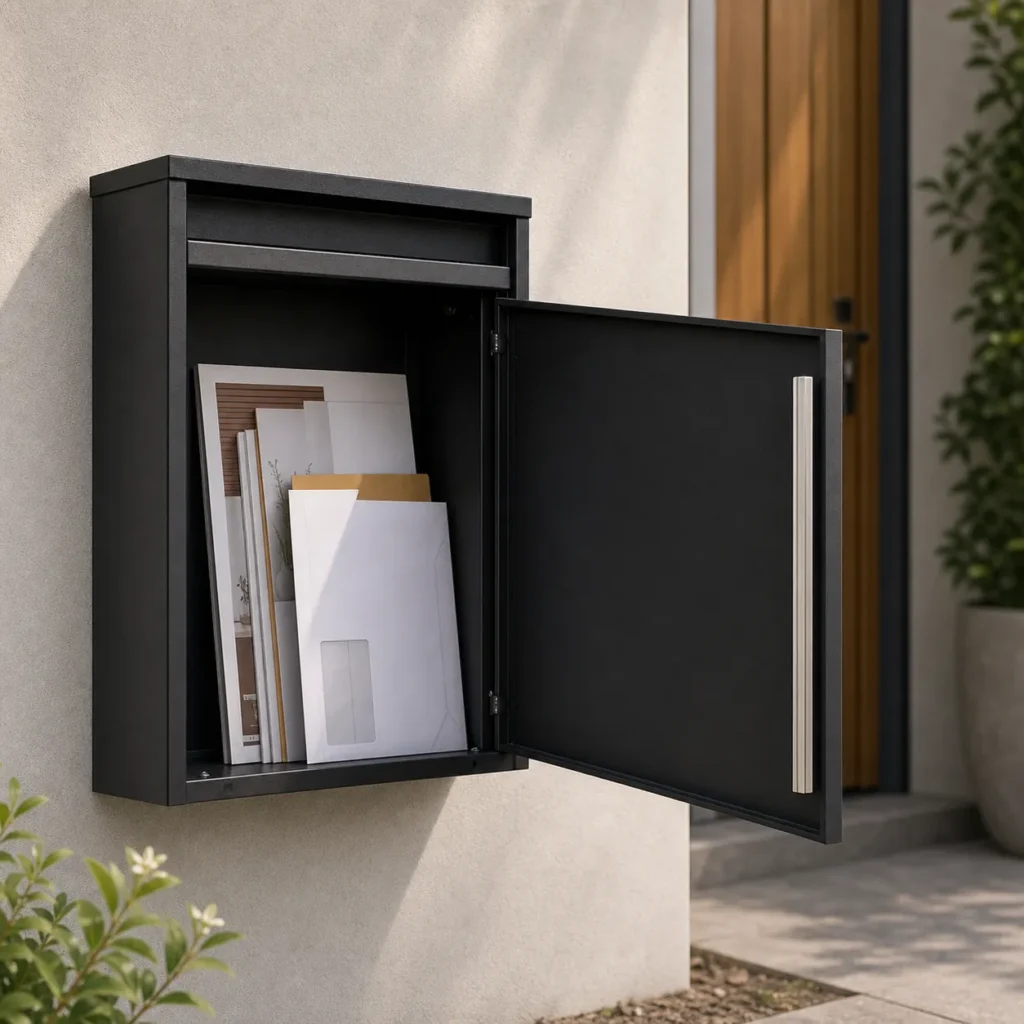
Letter and Mail Boxes
Letter boxes are designed to make mail and small parcel receiving more organized, secure, and convenient.
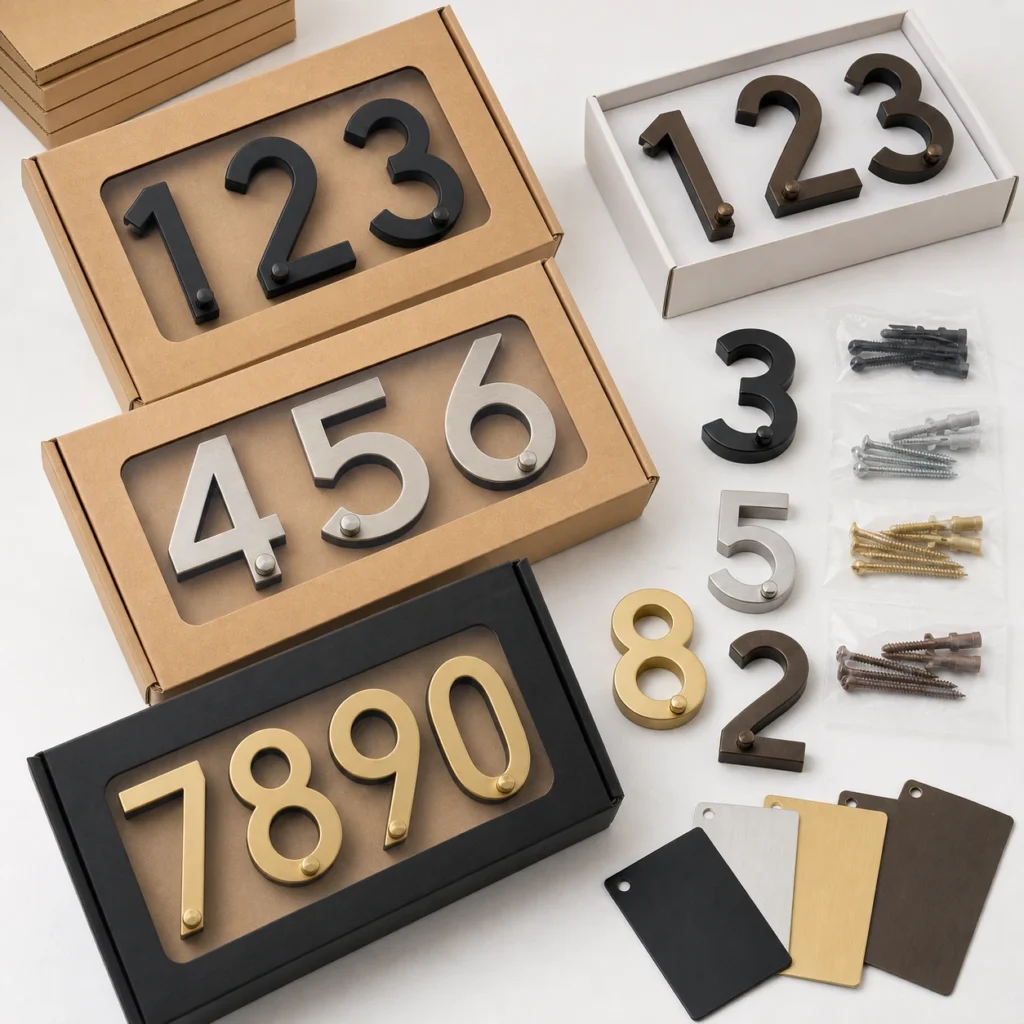
House Numbers
House numbers are small details, but they affect the first impression of a property, the visibility of an address.
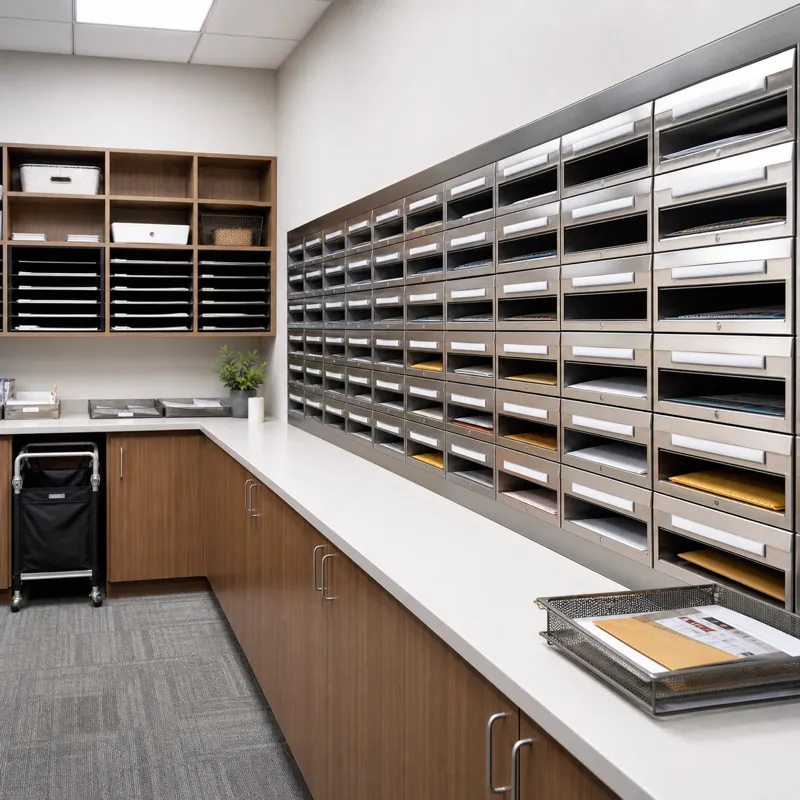
Mail Slots
Mail slots are designed for projects where appearance, size, and installation details matter.