Installation Type
Blog, Parcel Box
How to Choose the Right Parcel Box for Homes, Offices, and Projects
08
Jun
Jun
Online shopping has changed the way homes, apartments, offices, and commercial properties receive daily deliveries. Parcel delivery is no longer only a holiday-season issue. It has become a normal part of property planning, building entrance design, and mailbox system selection.
According to the U.S. Census Bureau, U.S. retail e-commerce sales reached $326.7 billion in the first quarter of 2026, accounting for 16.9% of total retail sales on a seasonally adjusted basis. The same report showed that first-quarter 2026 e-commerce sales increased 9.8% year over year.
As parcel volume grows, choosing the right parcel box becomes more important for homeowners, property managers, architects, retailers, and project buyers. A good parcel box is not just a storage container. It helps protect deliveries, organize mail and packages, improve entrance appearance, and reduce the risk of lost or exposed parcels.
What Is a Parcel Box?
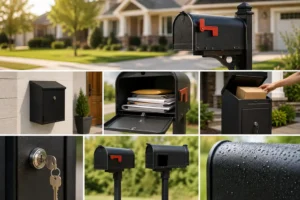
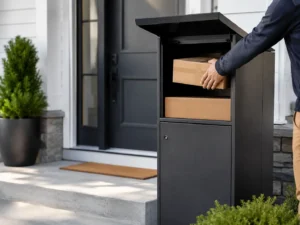
A parcel box is a secure receiving box designed for parcels, mail, documents, and small packages. Unlike a traditional mailbox, a parcel box usually offers larger capacity, stronger construction, and a lockable collection area.
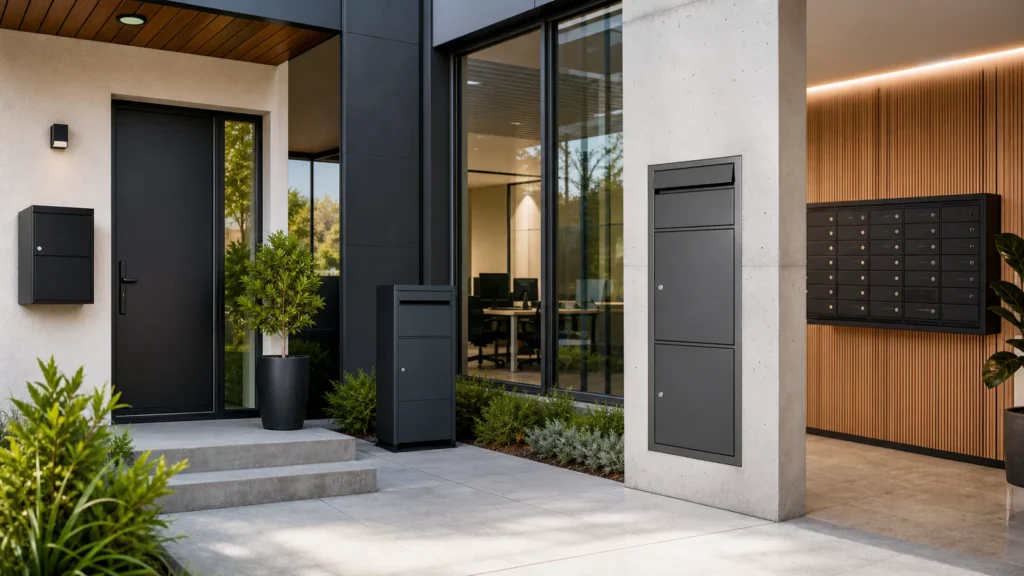
Parcel boxes can be used in many locations, including residential front doors, garden walls, entrance gates, apartment buildings, office entrances, retail stores, hotels, universities, and commercial projects.
Depending on the project, a parcel box may be wall mounted, free standing, built into a wall, combined with a letterbox, or customized for OEM and ODM production.
Why Choosing the Right Parcel Box Matters
Parcel delivery volume is large and still growing. Pitney Bowes reported that U.S. parcel volume reached 23.1 billion parcels in 2025, up from 22.4 billion in 2024. The same report estimated 171 parcels shipped per U.S. household in 2025.
When the parcel box is too small, poorly located, or not secure enough, packages may be left outside the box, exposed to weather, or placed in public areas. This can create problems for residents, property managers, and delivery staff.
Package theft is also a real concern. The U.S. Postal Service Office of Inspector General reported that at least 58 million packages were stolen in the United States in 2024, with losses estimated as high as $16 billion. The report also notes that secure delivery options such as parcel lockers and lock boxes can help reduce theft risk, although buyers must consider size, cost, and convenience.
For this reason, selecting the right parcel box should be based on real usage, not only appearance or price.
Key Factors to Consider Before Buying a Parcel Box
| Buying Factor | Why It Matters | What to Check |
|---|---|---|
| Parcel Capacity | Prevents packages from being left outside the box | Daily parcel volume, common package size, and peak-season needs |
| Installation Method | Affects usability, security, and appearance | Wall mounted, free standing, built-in, through-wall, front access, or rear access |
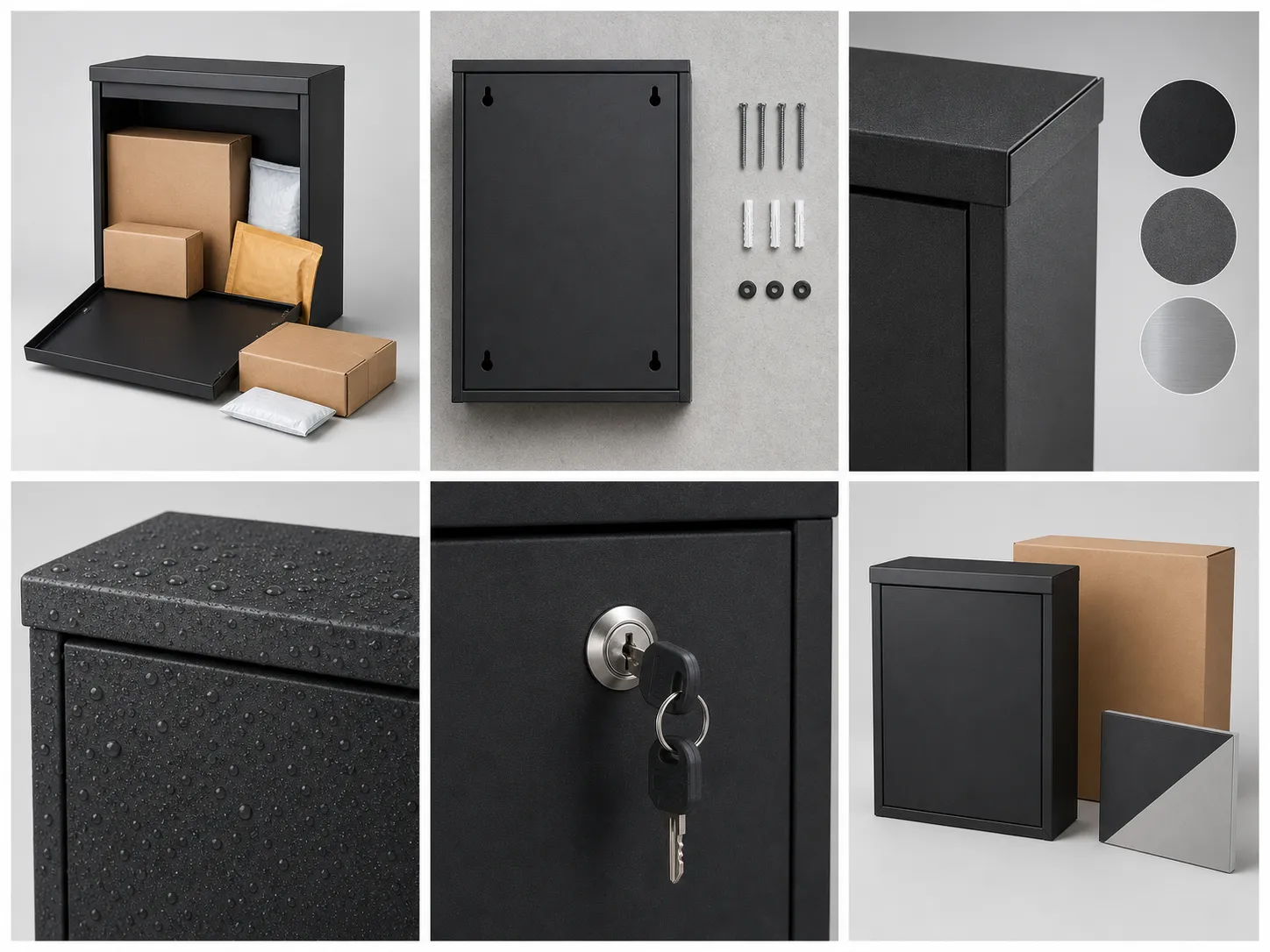
| Material | Determines durability and outdoor performance | Powder coated steel, stainless steel, galvanized steel, or aluminum |
| Weather Resistance | Protects parcels from rain, dust, and long-term outdoor exposure | Rain cover, door gap, drainage, coating quality, and corrosion resistance |
| Security | Reduces theft risk and keeps parcels protected | Lock type, anti-theft baffle, hinge strength, and collection door design |
| Customization | Helps match market, brand, or project requirements | Size, color, finish, logo, packaging, house number, or label plate |
Parcel Size and Daily Delivery Volume
The first question is simple: what size parcels need to be received?
A small parcel box may be suitable for letters, envelopes, and small online orders. A medium or large parcel box is better for regular home deliveries, office supplies, sample packages, and shared delivery points. For multifamily or commercial projects, buyers may need a larger mailbox system, parcel locker, or custom parcel receiving solution.
For apartment communities, package management can become a daily operational issue. The National Multifamily Housing Council and Kingsley Associates reported that the average apartment community received 149 packages per week, and holiday volume was 81% higher than a typical week.
Installation Method
Different properties need different installation methods.
A wall mounted parcel box is suitable for homes, offices, and limited-space entrances. It can be fixed to an exterior wall, entrance wall, or building facade.
A free standing parcel box is useful when wall installation is not available. It can be placed near a front door, garden path, driveway, or commercial entrance.
A built-in parcel drop box is often used in boundary walls, gate pillars, and architectural projects. It provides a cleaner built-in appearance and can allow parcels to be deposited from the outside and collected from the inside.
A parcel letterbox combines mail and small parcel receiving in one product. It is suitable for residential homes, villas, townhouses, and small commercial buildings.
For project orders, the installation method should be confirmed before production because it affects product depth, mounting holes, access direction, waterproof design, and packaging.
Material and Weather Resistance
Outdoor parcel boxes need to handle rain, sunlight, dust, and long-term use. Common material and finish options include powder coated steel, stainless steel, galvanized steel, aluminum, and custom metal finishes.
For outdoor use, buyers should pay attention to metal thickness, powder coating quality, drainage, rain protection, door gap design, rust resistance, lock durability, and UV exposure.
For coastal areas, high-humidity regions, or exposed outdoor entrances, stronger corrosion resistance may be required.
Front Access or Rear Access
Parcel boxes can be designed with front access, rear access, or dual access.
A front access parcel box is easy to use for residential homes and standard wall-mounted installations. The courier deposits the parcel from the front, and the user collects it from the same side.
A rear access parcel box is useful for boundary walls, gate pillars, and secure entrance designs. The courier deposits the parcel from the outside, while the owner collects it from the inside. This can improve privacy and reduce the need to open a gate or entrance area.
For commercial and architectural projects, rear access is often preferred when security and clean exterior design are important.
Locking and Security Design
Security is one of the main reasons buyers choose a parcel box. A good design should make it easy for couriers to deliver parcels while keeping received packages protected.
Important security features may include a lockable collection door, anti-theft baffle, secure parcel drop opening, strong hinges, durable lock system, reinforced metal construction, hidden screws, and weather-resistant closing structure.
The USPS Office of Inspector General highlights secure lockers and front porch lock boxes as methods that can reduce package theft risk, while also noting that buyers need to balance box size, convenience, and installation cost.
Appearance and Finish
A parcel box is often installed near the main entrance, so appearance matters. For residential buyers, the box should match the door, wall, gate, or mailbox area. For commercial and project buyers, it should match the building style and brand image.
Common customization options include black, grey, white, green, bronze, or custom colors, brushed stainless steel finish, powder coated finish, laser cut logo, printed logo, house number, address sign, custom label plate, and matching mail slot or letterbox sign.
For OEM and ODM buyers, finish consistency is especially important because the same product may be sold across multiple markets or used in repeated project installations.
Parcel Box Options for Different Applications
| Application | Recommended Parcel Box Type | Main Requirements | Best For |
|---|---|---|---|
| Residential Homes | Wall mounted parcel box, parcel letterbox, medium parcel box | Secure receiving, weather resistance, clean entrance appearance | Homes, villas, townhouses, rental houses |
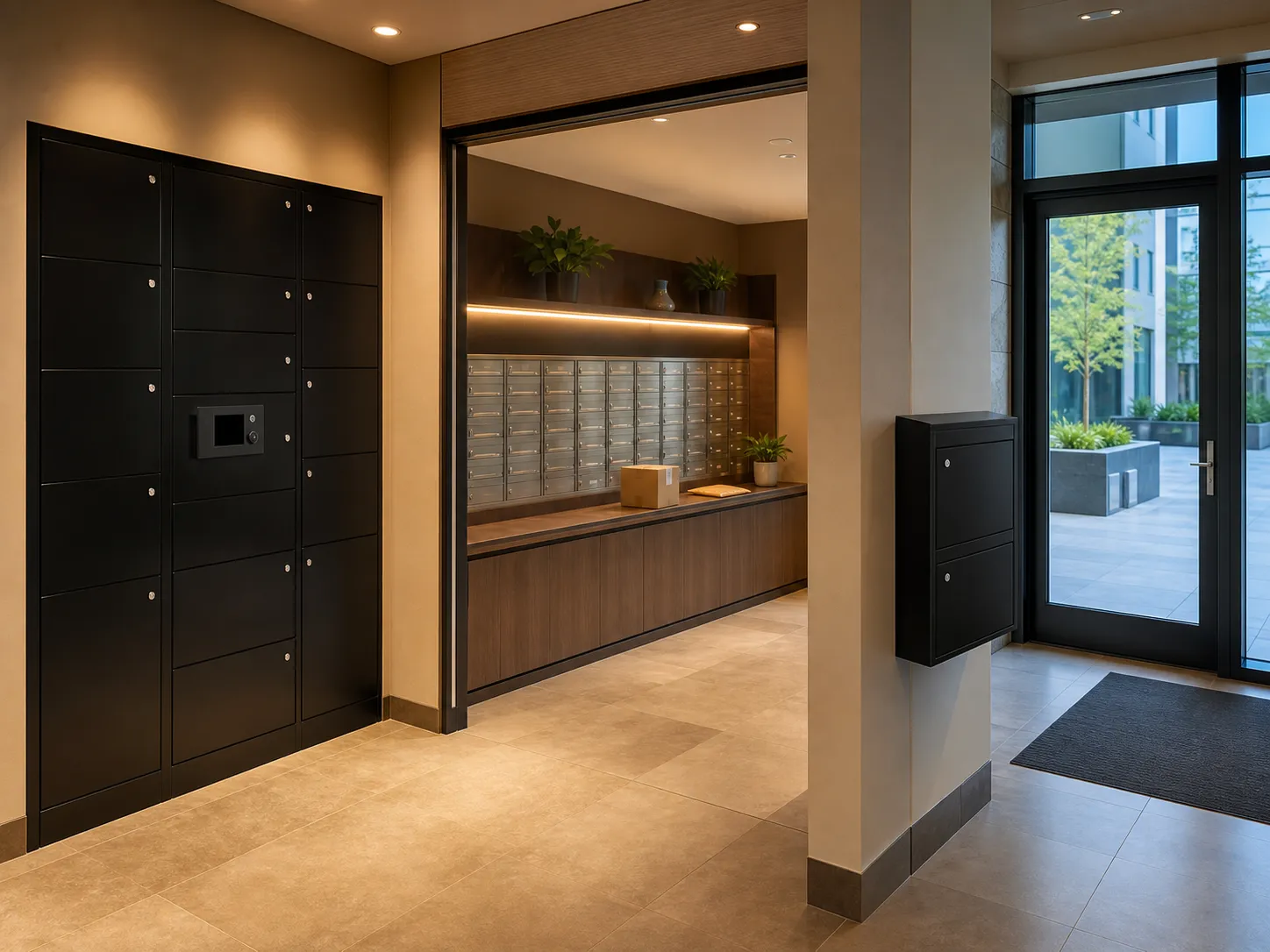
| Multifamily Apartments | Large parcel box, parcel locker, centralized mailbox system | Higher capacity, resident identification, organized collection | Apartments, condos, student housing |
| Office Buildings | Wall mounted parcel box, commercial parcel box, mail slot system | Document receiving, sample packages, after-hours delivery | Offices, business parks, reception areas |
| Retail Stores | Secure parcel drop box, front access parcel box | Supplier deliveries, product returns, small inventory receiving | Shops, showrooms, hardware stores, service points |
| Universities | Parcel locker, large parcel box, custom mailbox system | High package volume, clear numbering, durable locks | Campus mailrooms, dormitories, student apartments |
| Hotels and Serviced Apartments | Parcel letterbox, lobby parcel box, custom mailbox system | Clean appearance, guest parcel management, matching finishes | Hotels, serviced apartments, resorts, long-stay housing |
| Architectural Projects | Built-in parcel drop box, rear access parcel box, custom parcel box | Custom size, custom finish, wall or gate integration | Architects, developers, contractors, building projects |
Residential Homes
For single homes, townhouses, and villas, the main requirements are usually secure receiving, weather resistance, and clean entrance appearance. Wall mounted parcel boxes, parcel letterboxes, and medium parcel boxes are common choices.
A residential parcel box should be large enough for daily online orders but not too large for the entrance space. If the box is installed outdoors, waterproof structure and powder coating quality are important.
Multifamily Apartments
Apartment buildings receive higher package volume than single homes. Package handling can also require staff time. NMHC and Kingsley Associates found that 68% of staff spent between 1 and 4 hours per week managing packages in surveyed apartment communities.
For multifamily projects, buyers should consider centralized parcel receiving, larger capacity, clear resident identification, secure access, and overflow package handling.
Office Buildings
Office parcel boxes are used for documents, samples, business mail, small supplies, and after-hours deliveries. The design should look professional and support organized receiving.
For office buildings, common priorities include front entrance appearance, lock security, easy staff collection, and enough capacity for daily business deliveries.
Retail Stores
Retail stores may need parcel boxes for supplier samples, product returns, small inventory deliveries, or after-hours receiving. A secure parcel box can help reduce missed deliveries and keep packages away from the public storefront.
For retail use, buyers should consider visibility, branding, anti-theft structure, and easy courier access.
Universities and Student Housing
Student housing and campus mailrooms often handle many small parcels and letters. The receiving system should be organized, durable, and easy for staff to manage.
For universities, parcel boxes and mailbox systems may need custom numbering, labels, durable locks, and larger project quantities.
Hotels and Serviced Apartments
Hotels and serviced apartments may receive guest parcels, documents, staff deliveries, and long-stay resident packages. The product should look clean and match the interior or entrance design.
For hospitality projects, appearance, quiet operation, finish consistency, and organized receiving are important.
Architectural and Construction Projects
Architects, contractors, and developers often need parcel boxes that match the building design. In this case, the buyer may require custom size, custom finish, built-in installation, rear access, or matching house numbers and mail slots.
For these projects, drawings, samples, and pre-production confirmation are important before bulk manufacturing.
Common Types of Parcel Boxes
Wall Mounted Parcel Boxes
Wall mounted parcel boxes are practical for homes, offices, and small commercial entrances. They save floor space and can be installed on exterior walls, entrance areas, and gate structures.
Parcel Letterboxes
Parcel letterboxes combine letter receiving and small parcel receiving in one product. They are suitable for homes, villas, townhouses, and residential developments where both mail and parcel delivery are needed.
Built-In Parcel Drop Boxes
Built-in parcel drop boxes are designed for walls, gate pillars, and architectural entrances. They can provide a clean exterior appearance and allow safer inside collection.
Large Parcel Boxes
Large parcel boxes are suitable for higher delivery volume or larger packages. They are often used for family homes, offices, rental properties, and commercial locations that receive frequent deliveries.
Custom Parcel Boxes
Custom parcel boxes are suitable for wholesalers, brands, project buyers, and OEM/ODM orders. They can be customized by size, material, finish, logo, packaging, lock type, and installation method.
When Do You Need a Custom Parcel Box?
A standard parcel box is not always enough. Custom manufacturing may be needed when the buyer has specific requirements for market positioning, installation, branding, or project design.
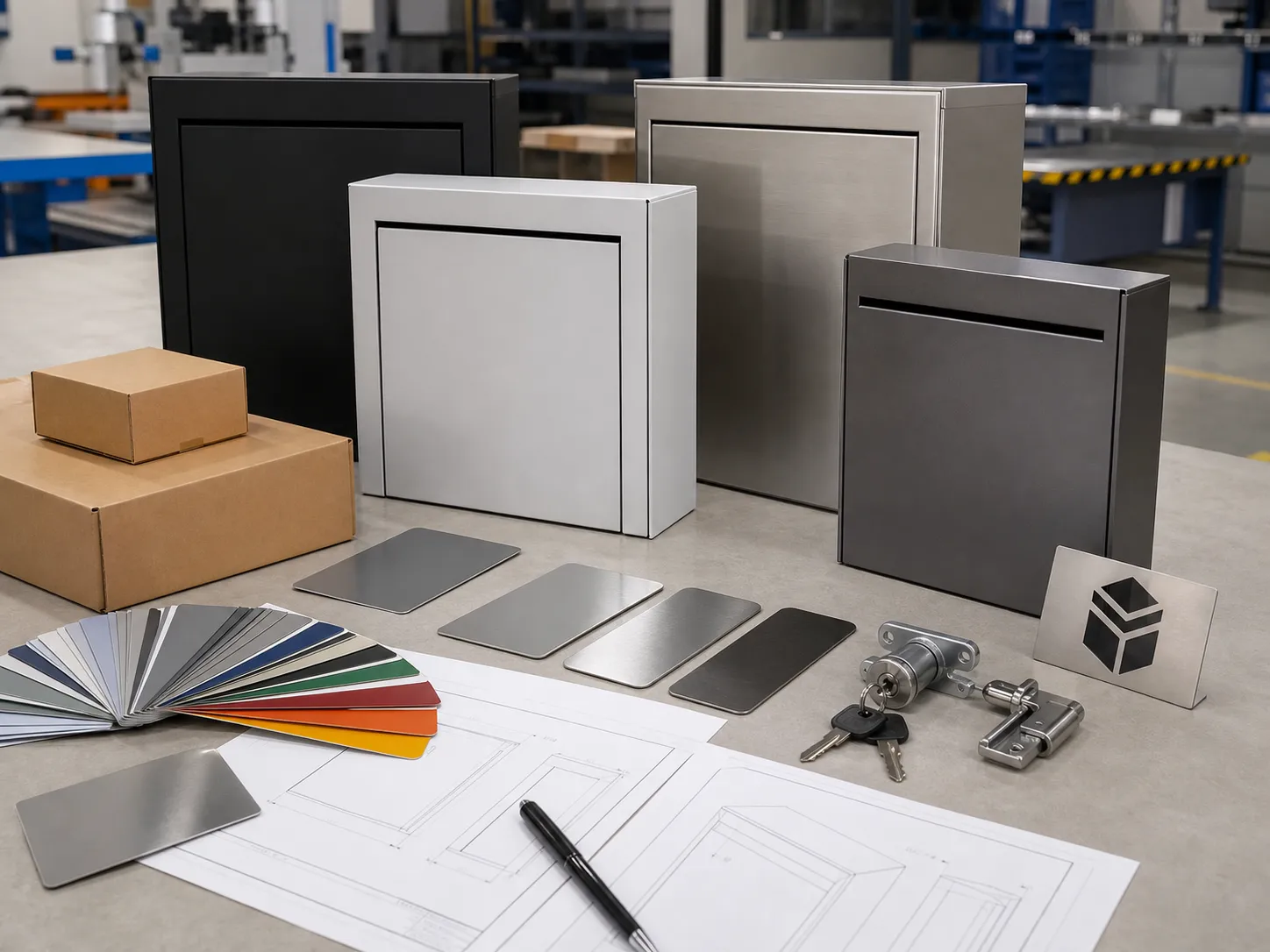
You may need a custom parcel box if the standard size is too small or too large, the box must match a wall or gate design, a specific color or finish is required, a logo or private label is needed, the packaging must follow retail requirements, or the product must match mail slots, letterboxes, or house numbers.
Custom manufacturing is also useful for building projects, distributors, OEM brands, and buyers who need samples before bulk production.
For custom orders, the best process is to confirm drawings, material, finish, lock type, logo, packaging, and sample details before mass production.
Why Work With a Parcel Box Manufacturer?
Working directly with a parcel box manufacturer gives buyers more control over product details and long-term supply.
A manufacturer can usually support custom product design, OEM and ODM development, material and finish selection, logo and packaging customization, sample production, bulk order manufacturing, quality control, and export packaging.
For wholesalers, brands, builders, and project buyers, manufacturer support is important because parcel boxes are not only decorative products. They must perform reliably in daily delivery use.
Final Checklist Before Ordering a Parcel Box
| Question | Why It Is Important |
|---|---|
| What parcel sizes are most common? | Helps confirm the correct box capacity |
| How many parcels are received per day or per week? | Helps avoid overflow during normal and peak periods |
| Will the box be installed indoors or outdoors? | Determines material, coating, and weather resistance needs |
| Is wall mounted, free standing, or built-in installation required? | Affects structure, mounting method, and product dimensions |
| Is front access or rear access better? | Affects user convenience and security |
| What material and finish are needed? | Helps match durability and building appearance |
| Does the product need a logo or custom packaging? | Important for OEM, ODM, wholesale, and retail orders |
| Is a sample needed before bulk production? | Helps confirm design, finish, and function before mass production |
Conclusion
Choosing the right parcel box is about more than selecting a good-looking mailbox. Buyers need to consider parcel volume, installation method, weather resistance, security, access direction, appearance, and customization needs.
As e-commerce and parcel delivery continue to grow, homes, apartments, offices, retail stores, universities, hotels, and construction projects all need better ways to receive packages securely and efficiently.
If you are looking for a custom parcel box for residential, commercial, or project use, contact us to discuss size, material, finish, logo, packaging, sample development, and OEM/ODM production options.
Popular Parcel Box and Letterbox Products
Choose from existing product styles or develop your own custom series.
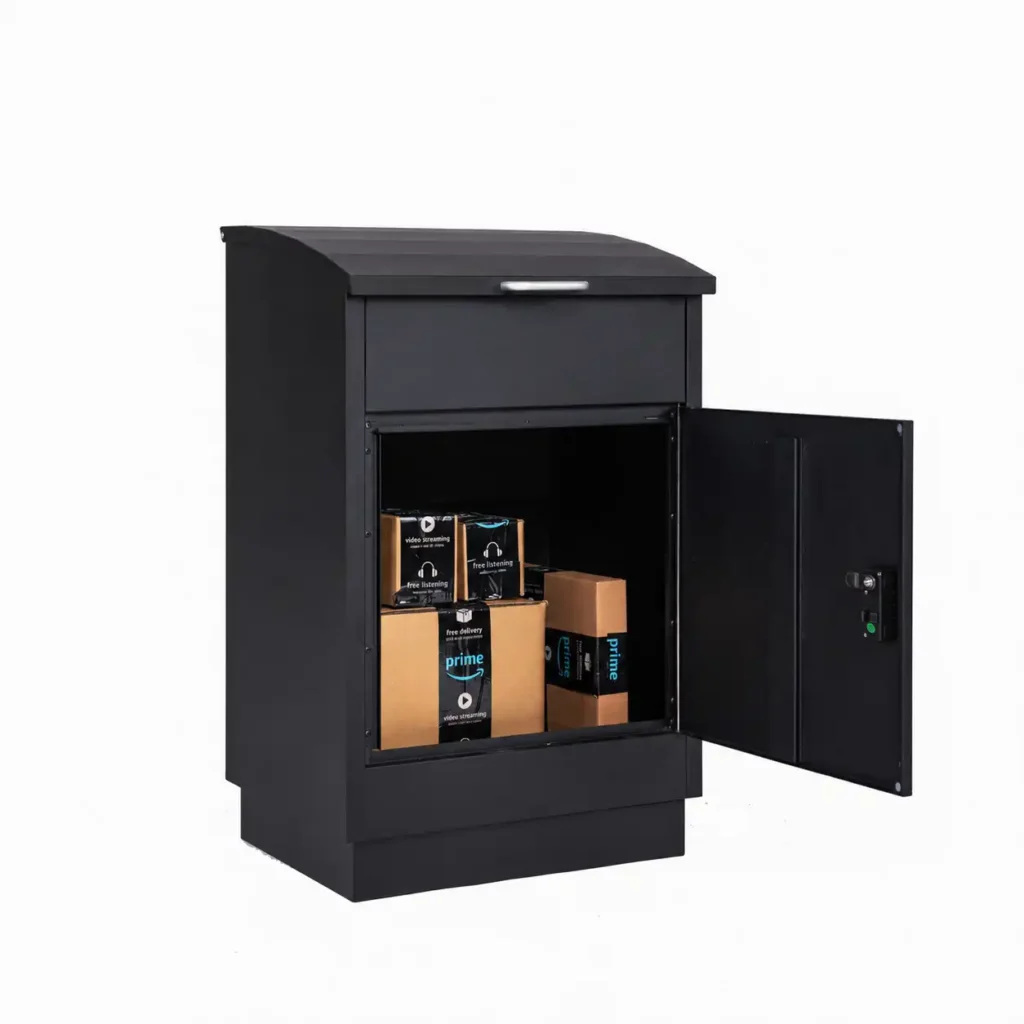
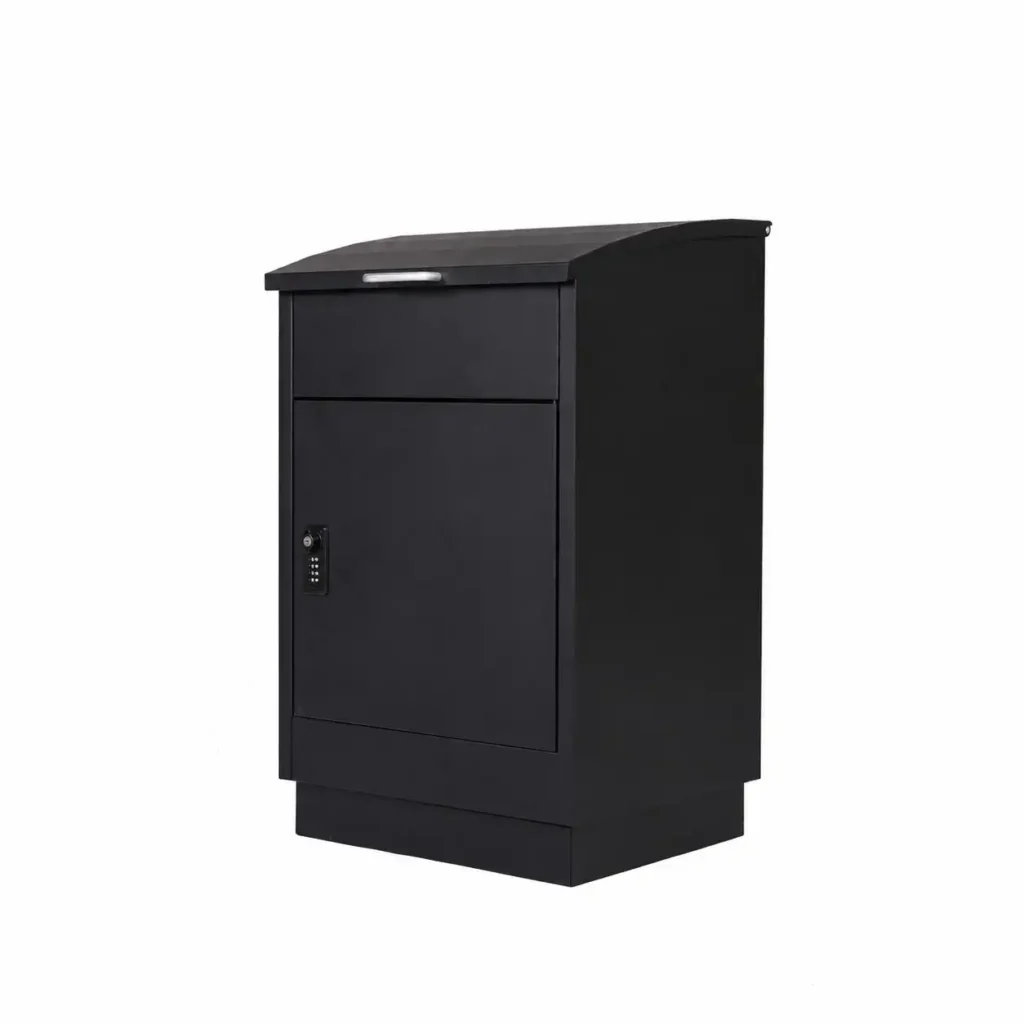
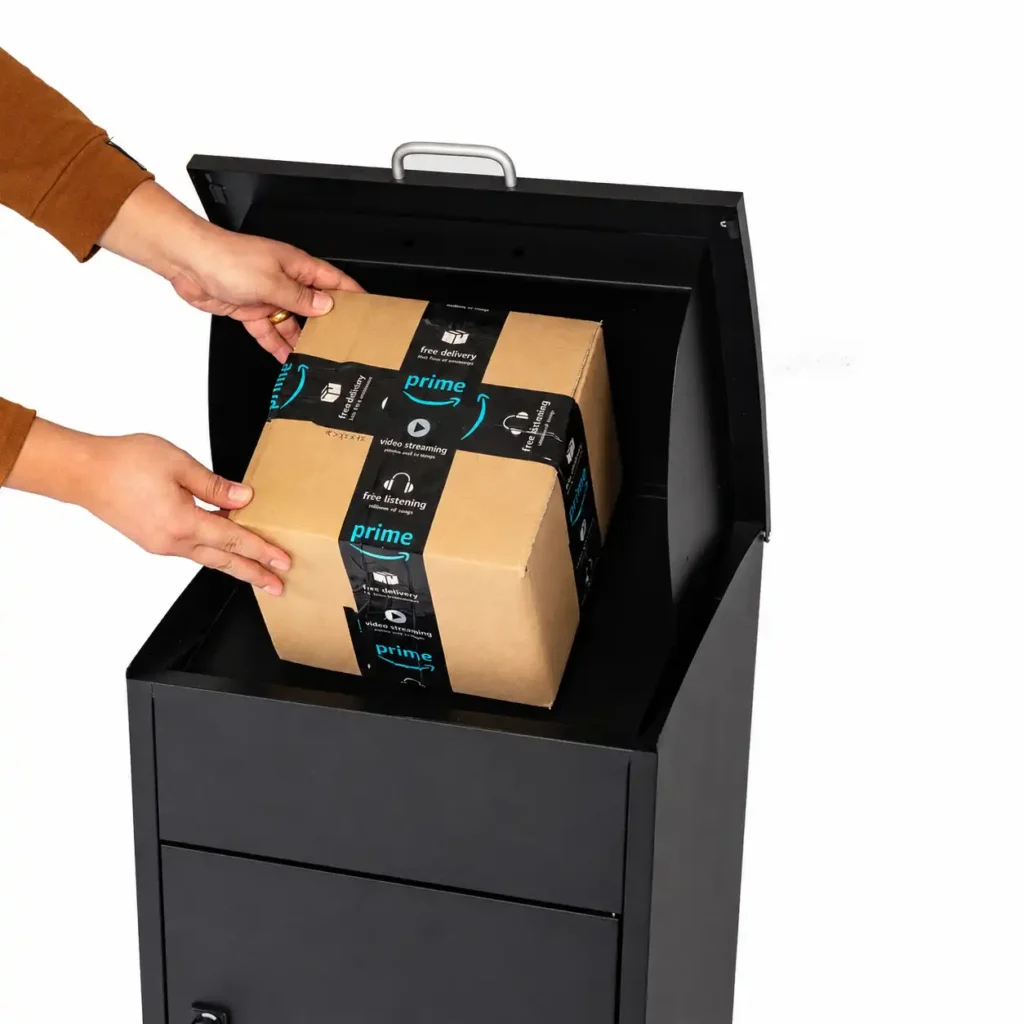
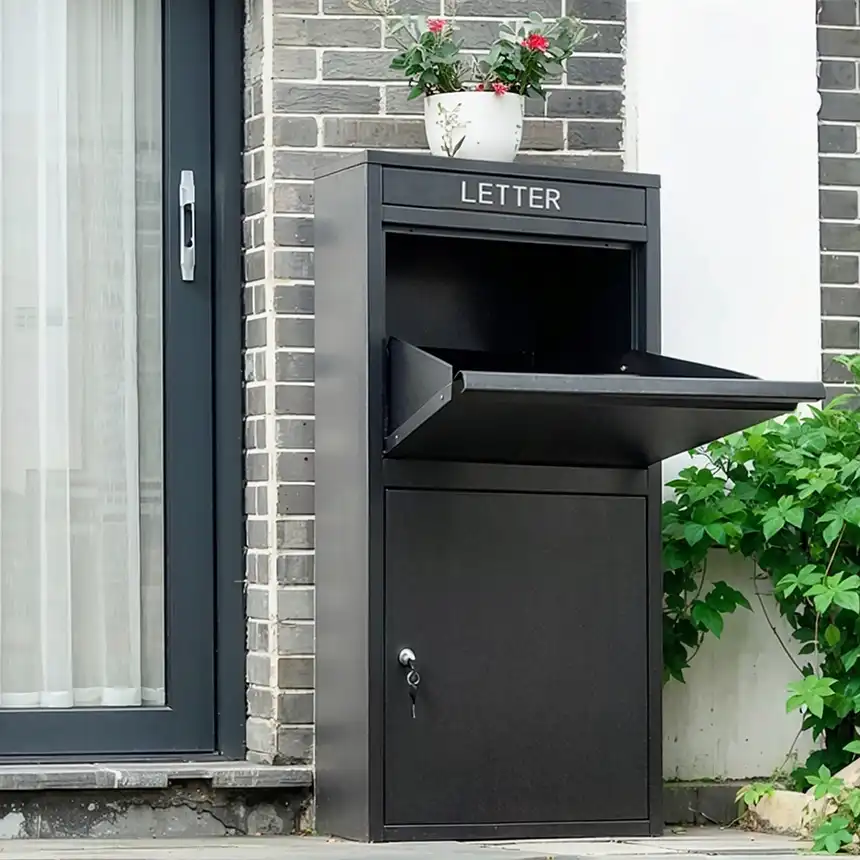
Extra Large Parcel Boxes
High-capacity parcel boxes for oversized packages and busy delivery locations.
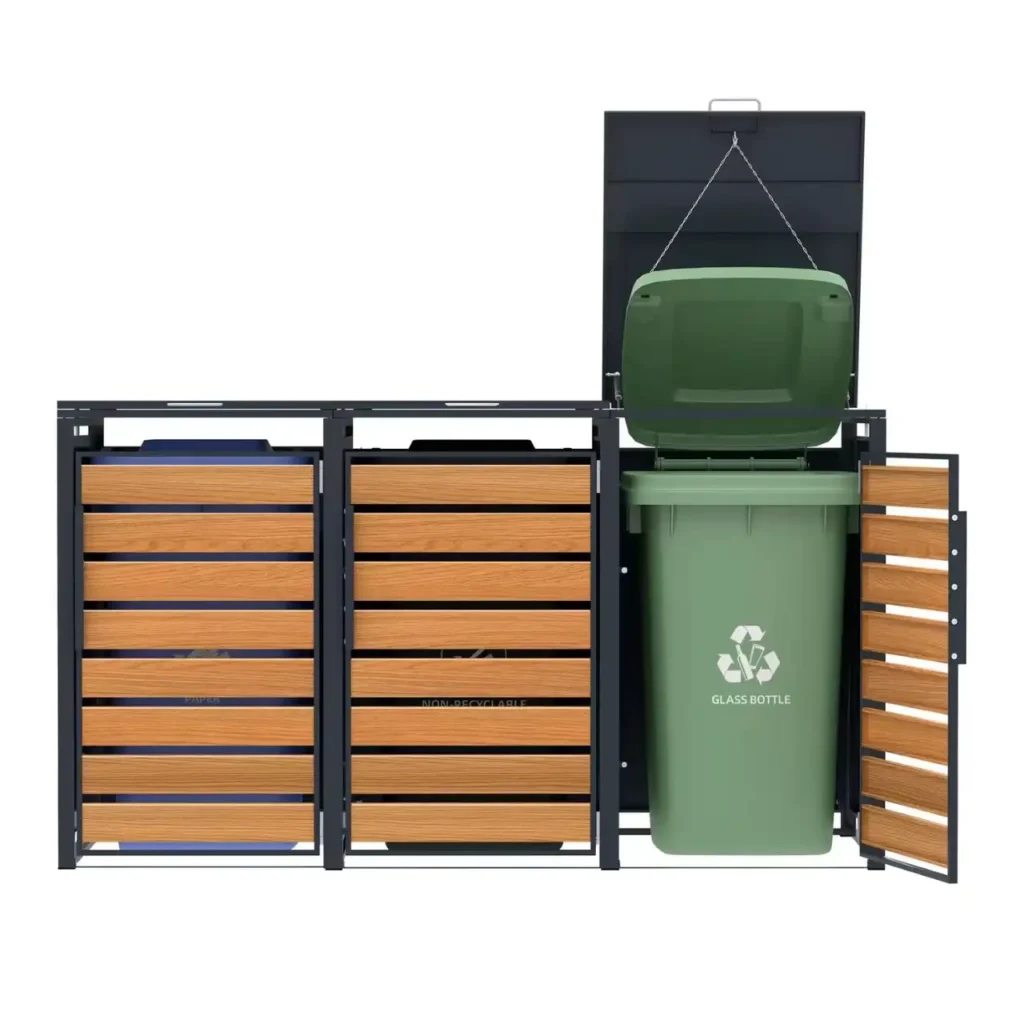
Trash Bin Enclosure
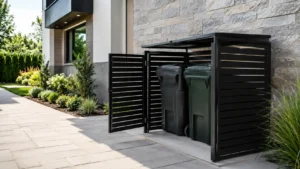
Outdoor trash bin enclosures provide a clean and secure way to store one, two, three, or multiple wheeled bins.
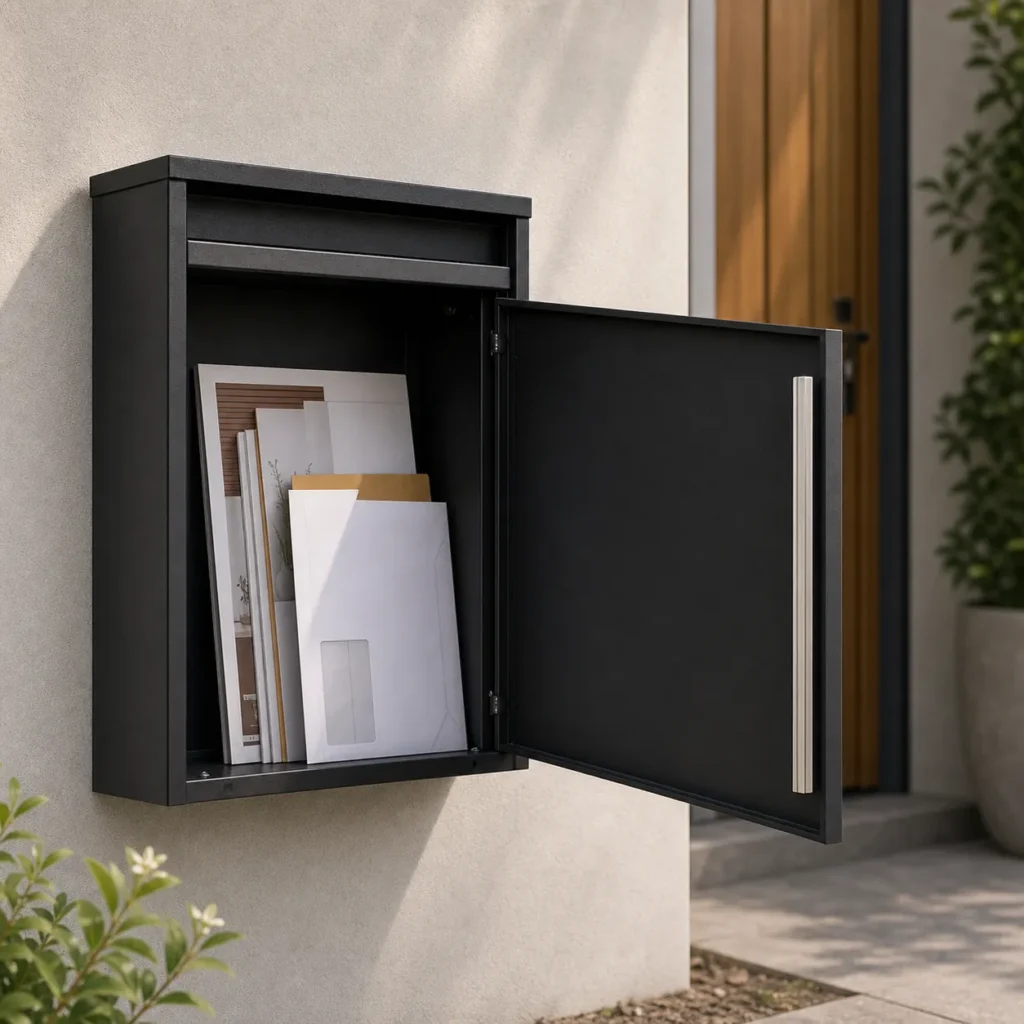
Letter and Mail Boxes
Letter boxes are designed to make mail and small parcel receiving more organized, secure, and convenient.
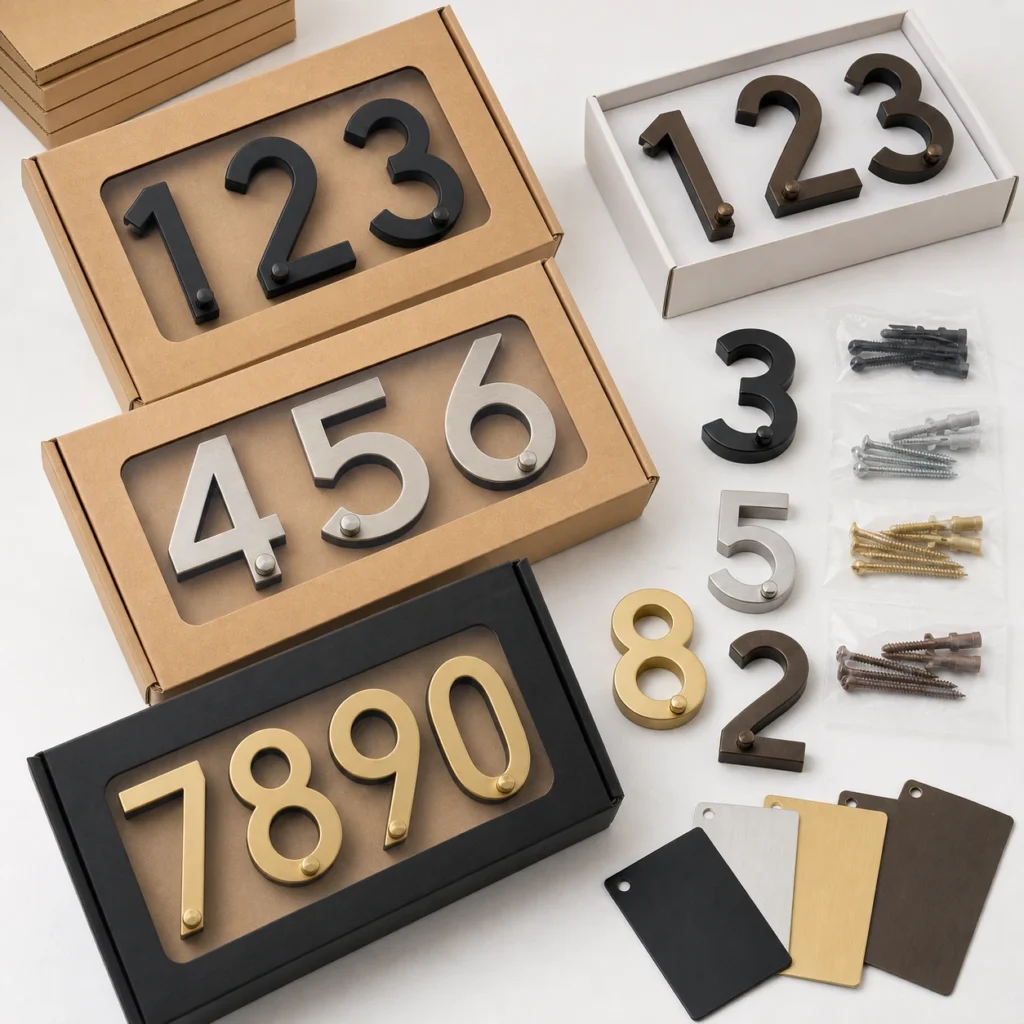
House Numbers
House numbers are small details, but they affect the first impression of a property, the visibility of an address.
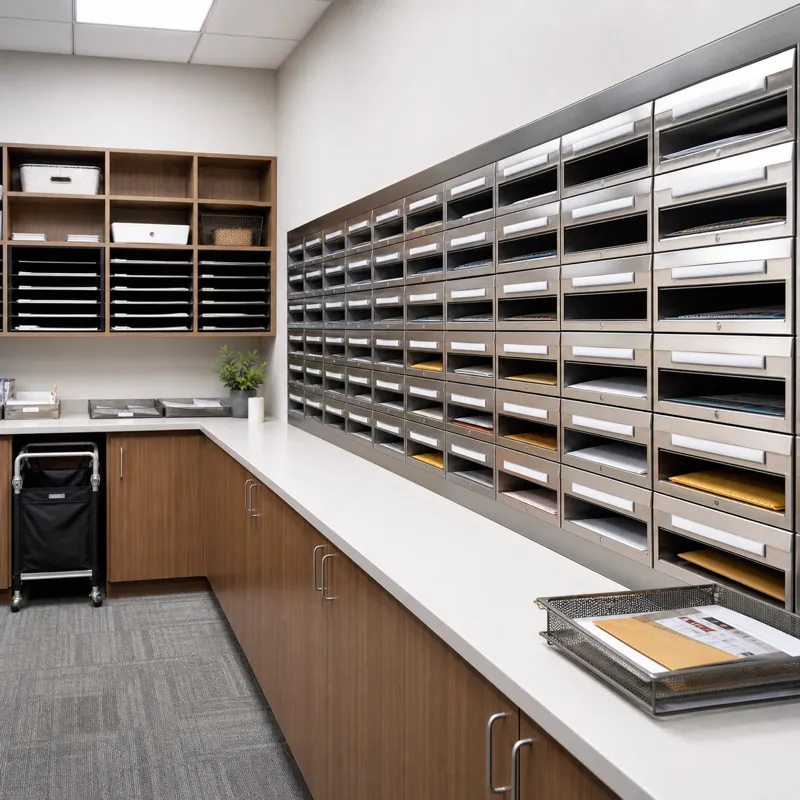
Mail Slots
Mail slots are designed for projects where appearance, size, and installation details matter.