Installation Type
Blog, Parcel Box
What Is the Best Material for a Mailbox?
15
Jul
Jul
Choosing the best material for a mailbox is more important than many homeowners think.
A mailbox stays outdoors every day. It faces rain, sun, wind, snow, dust, humidity, and daily use. If the material is weak, the mailbox may rust, fade, crack, bend, or become hard to use after a short time.
So, what is the best material for a mailbox?
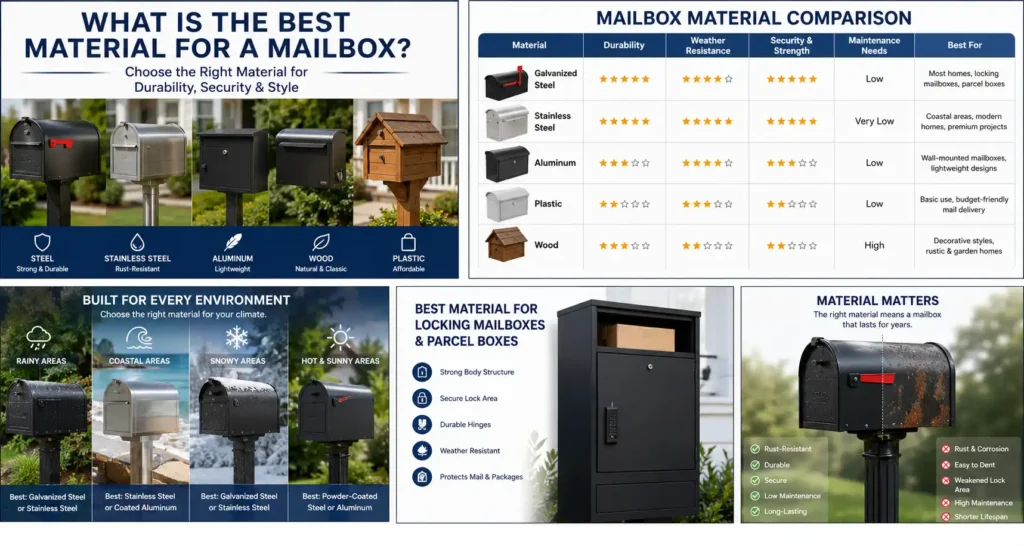
For most homes, powder-coated galvanized steel is one of the best mailbox materials because it offers a strong balance of durability, weather resistance, cost, and security. For coastal or rainy areas, stainless steel may be a better choice. For lightweight wall-mounted mailboxes, aluminum can also work well.
The best choice depends on your home, weather, security needs, budget, and whether you need a standard mailbox, locking mailbox, or parcel box.
This guide will compare common mailbox materials and help you choose the right one before buying.
Quick Answer: What Is the Best Material for a Mailbox?
The best mailbox material depends on how the mailbox will be used.
For most residential mailboxes, galvanized steel with powder coating is a practical choice. It is strong enough for daily outdoor use, works well for many mailbox styles, and can be made in different colors and finishes.
Here is a simple guide:
| Your Need | Best Mailbox Material | Why It Works |
|---|---|---|
| Daily residential mail delivery | Powder-coated galvanized steel | Strong structure, outdoor durability, and reasonable cost for most homes |
| Coastal or rainy locations | Stainless steel | Better corrosion resistance for humid, wet, or salt-air environments |
| Lightweight wall-mounted mailbox | Aluminum | Easier to install and naturally resistant to rust |
| Basic low-cost mailbox | Plastic | Affordable and rust-free, but less suitable for high-security use |
| Decorative home exterior | Treated wood | Warm and traditional look, but needs more maintenance |
| Secure locking mailbox | Galvanized steel or stainless steel | Stronger body and better protection around the lock and door |
| Parcel delivery box | Powder-coated steel | Better for larger size, package weight, and long-term outdoor use |
If you want one simple answer, choose powder-coated galvanized steel for most home mailboxes and parcel boxes. Choose stainless steel if rust resistance is your top priority.
Why Mailbox Material Matters for Outdoor Use
A mailbox may look simple, but it has to perform outdoors for years.
Material affects:
- How long the mailbox lasts
- How well it resists rain and sun
- Whether it rusts or fades
- How strong the door and body are
- How secure the lock area is
- How much maintenance it needs
- How well it matches your home exterior
A mailbox made from the wrong material may look fine at first, but problems can appear later.
For example, a thin metal mailbox may bend easily. A plastic mailbox may fade after long sun exposure. A wooden mailbox may crack or absorb moisture. A mailbox without proper coating may rust around the door, hinge, or bottom edges.
This is why material should be one of the first things you check before buying a mailbox.
Best Mailbox Materials for Different Homes
Different homes need different mailbox materials.
A mailbox for a dry suburban area does not face the same conditions as a mailbox near the coast. A simple letter mailbox does not need the same strength as a locking parcel box.
| Home or Use Case | Recommended Material | What to Consider |
| Standard suburban home | Powder-coated galvanized steel | Choose a durable finish and enough size for daily mail |
| Modern home entrance | Stainless steel or powder-coated aluminum | Match the color, shape, and finish with the house design |
| Coastal home | Stainless steel or high-quality coated aluminum | Focus on corrosion resistance and surface finish |
| Rainy area | Powder-coated galvanized steel or stainless steel | Check drainage, coating quality, and covered openings |
| Home with many packages | Powder-coated steel parcel box | Larger size needs stronger material and stable structure |
| Low-budget basic use | Plastic mailbox | Works for simple mail, but not ideal for security or long life |
| Decorative garden-style home | Treated wood | Requires regular care against rain, moisture, and cracking |
The right material should match both the environment and the way you use the mailbox.
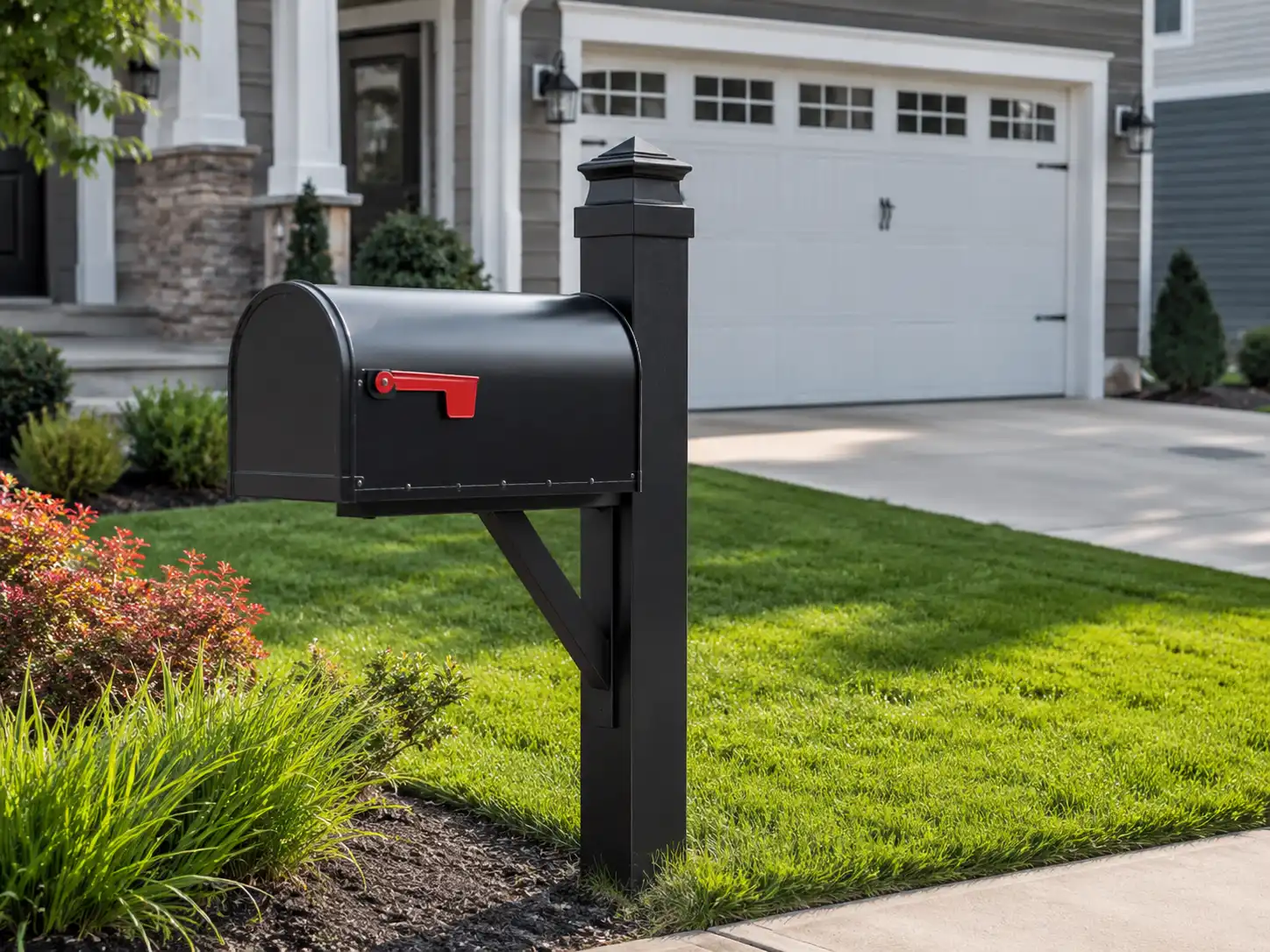
Galvanized Steel Mailboxes: Best for Strength and Daily Use
Galvanized steel is one of the most common materials for outdoor mailboxes.
It is strong, practical, and cost-effective. The steel gives the mailbox structure, while the galvanized layer helps reduce rust. When combined with powder coating, it can perform well in daily outdoor conditions.
Galvanized steel mailboxes are commonly used for:
- Curbside mailboxes
- Locking mailboxes
- Parcel boxes
- Wall-mounted mailboxes
- Commercial mailbox projects
- Custom mailbox designs
The main advantage of galvanized steel is strength. It works well for mailboxes that need a solid body, secure door, and stable lock area.
For locking mailboxes and parcel boxes, galvanized steel is often a better choice than plastic or thin aluminum because it can provide stronger structure around the door, hinge, and lock.
However, surface treatment is very important. If the coating is poor, scratched, or damaged, rust may appear over time. A good powder-coated finish helps protect the mailbox from rain, sun, and daily outdoor wear.
Galvanized steel is a strong choice if you want a durable mailbox without paying for a premium stainless steel option.
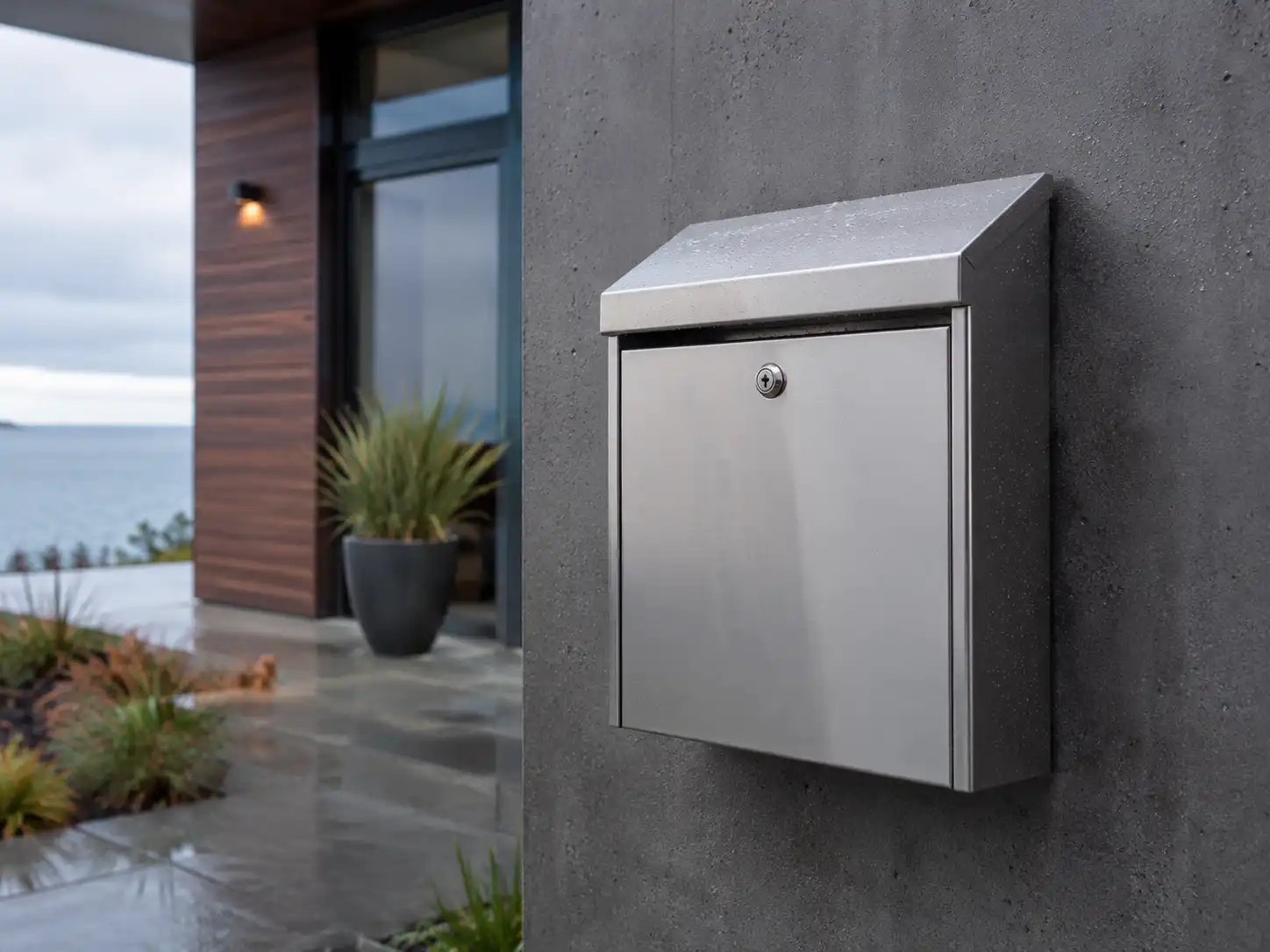
Stainless Steel Mailboxes: Best for Coastal and Rainy Areas
Stainless steel is a premium material for mailboxes.
It is known for better corrosion resistance and a clean, modern appearance. This makes it useful for areas with rain, humidity, or salt air.
Stainless steel mailboxes are a good choice for:
- Coastal homes
- Rainy locations
- Humid climates
- Modern home entrances
- Commercial properties
- Premium mailbox projects
The biggest advantage of stainless steel is corrosion resistance. If your mailbox will be exposed to moisture often, stainless steel can be a strong long-term choice.
It also gives a modern look. Many homeowners choose stainless steel because it fits clean architectural styles, metal gates, modern fences, and commercial building entrances.
The main downside is cost. Stainless steel usually costs more than galvanized steel. It may also show fingerprints, water marks, or surface scratches depending on the finish.
For most normal homes, galvanized steel may be enough. But if the mailbox will be installed in a harsh outdoor environment, stainless steel is worth considering.
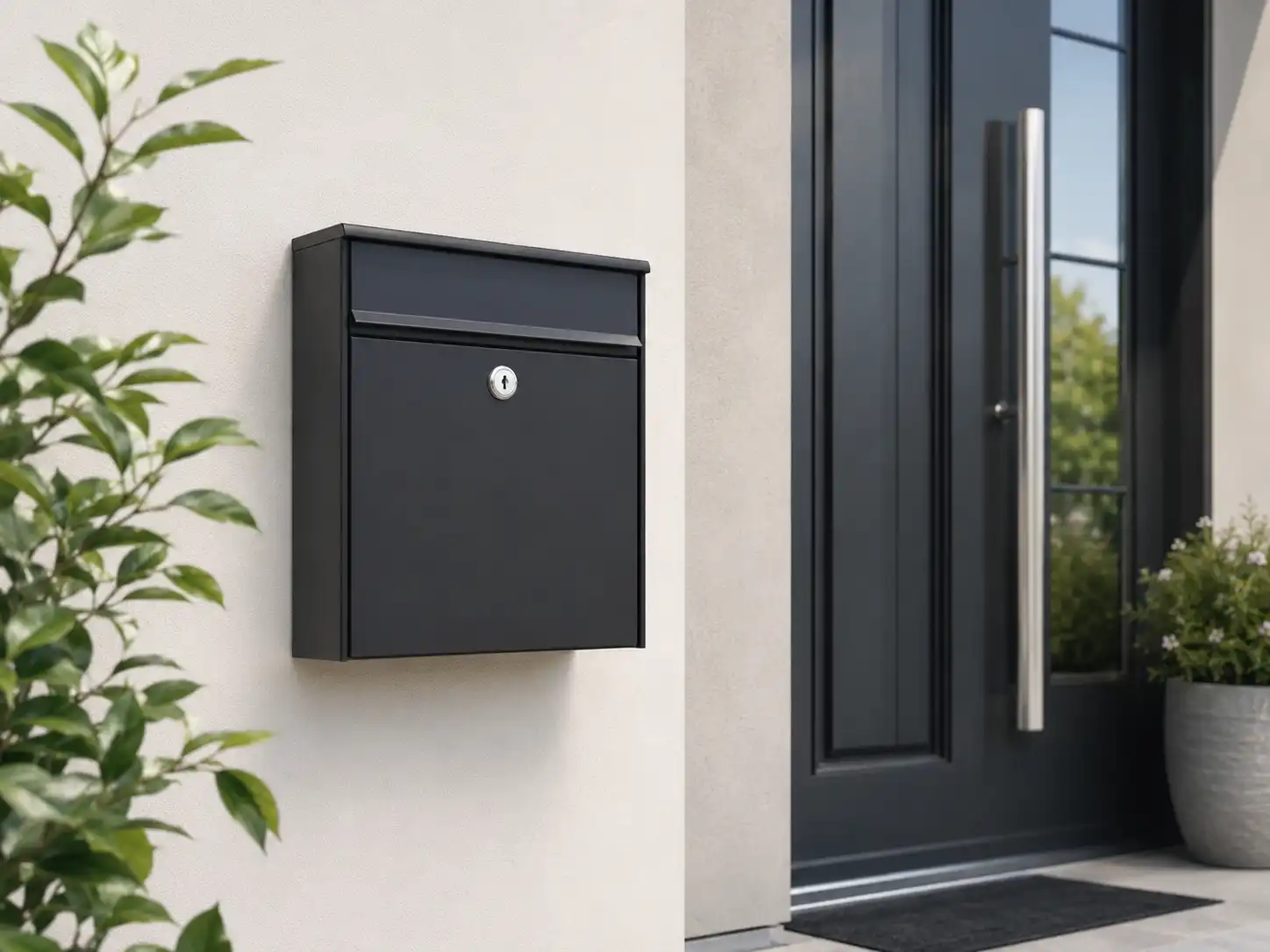
Aluminum Mailboxes: Best for Lightweight Outdoor Designs
Aluminum is another popular mailbox material.
It is lightweight and naturally resistant to rust. This makes it useful for wall-mounted mailboxes, modern home designs, and installations where a lighter product is easier to handle.
Aluminum mailboxes are often used for:
- Wall-mounted mailboxes
- Modern residential mailboxes
- Decorative mailbox designs
- Lightweight outdoor mailboxes
- Custom mailbox panels or covers
The main advantage of aluminum is that it does not rust like ordinary steel. It is also easier to install because it is lighter.
Aluminum can also be powder coated in different colors, such as black, white, gray, or custom finishes.
However, aluminum may not be the best choice for every mailbox. It is usually not as strong as steel for heavy-duty secure mailboxes or large parcel boxes. If the mailbox needs strong anti-theft performance, a steel structure may be more suitable.
Aluminum is a good choice when you want a lightweight, rust-resistant mailbox for normal residential use.
Plastic Mailboxes: Best for Basic Low-Cost Use
Plastic mailboxes are common because they are affordable and easy to install.
They do not rust, which is a clear advantage. They are also lightweight and available in many simple designs.
Plastic mailboxes may work for:
- Basic residential mail delivery
- Low-budget mailbox replacement
- Areas with lower security concerns
- Homes that only receive letters and small envelopes
However, plastic has limitations.
Over time, sunlight may cause fading. Cold weather may make some plastics more brittle. Strong impact can crack the mailbox. Plastic also does not offer the same secure feeling as metal when used for locking mailboxes.
For homeowners who only need a simple mailbox, plastic can be acceptable. But for long-term outdoor use, better security, or parcel delivery, metal is usually a stronger choice.
Plastic is not the best material if you need a secure locking mailbox or heavy-duty parcel box.
Wooden Mailboxes: Best for Decorative Home Styles
Wooden mailboxes can look warm, natural, and decorative.
They may fit traditional homes, garden-style entrances, rustic houses, or custom landscape designs. A wood mailbox can give a handmade or classic look that metal and plastic do not provide.
Wooden mailboxes may be suitable for:
- Decorative home entrances
- Garden-style properties
- Rustic home designs
- Custom exterior projects
But wood requires more maintenance than metal.
It can absorb moisture, swell, crack, fade, or rot if it is not treated properly. Outdoor wood needs sealing, painting, or staining to stay in better condition.
Wood is also not usually the best material for secure mailbox designs. It can be decorative, but it is not as practical as metal for anti-theft protection, locking doors, or parcel storage.
Choose wood if appearance is your main goal. Choose metal if durability, security, and low maintenance are more important.
Mailbox Material Comparison: Steel, Stainless Steel, Aluminum, Plastic, and Wood
Here is a practical comparison of common mailbox materials.
| Mailbox Material | Outdoor Performance | Security and Structure | Best Application |
| Powder-coated galvanized steel | Handles daily outdoor use well when the coating protects against rain, sun, and surface wear | Strong body for locking mailboxes, curbside mailboxes, and parcel boxes | Best for most residential mailboxes, secure mailboxes, and parcel delivery boxes |
| Stainless steel | Better choice for rain, humidity, and coastal areas where corrosion resistance matters | Strong structure with a premium appearance for long-term outdoor use | Best for coastal homes, modern entrances, commercial mailboxes, and premium mailbox designs |
| Aluminum | Naturally rust-resistant and easy to install because of its lighter weight | Suitable for normal residential use, but less ideal for heavy-duty anti-theft parcel boxes | Best for wall-mounted mailboxes, lightweight outdoor mailboxes, and modern home designs |
| Plastic | Does not rust, but may fade, crack, or weaken after long-term sun and cold exposure | Limited protection for secure mailbox or parcel box use | Best for basic low-cost mailboxes with simple letter delivery needs |
| Wood | Can look attractive but needs regular protection from moisture, sun, and cracking | More decorative than secure, especially for locking mailbox applications | Best for decorative mailbox styles, rustic homes, and garden-style entrances |
For most homeowners, powder-coated galvanized steel gives the best balance. It is strong, practical, and suitable for many mailbox designs.
For harsh weather or premium projects, stainless steel may be the better choice. For lightweight wall-mounted mailboxes, aluminum can also be a practical option.
Best Mailbox Material for Different Weather Conditions
Weather is one of the biggest reasons to choose the right mailbox material.
A mailbox in a dry area, coastal area, snowy area, and rainy area may need different material choices.
Best Mailbox Material for Rainy Areas
For rainy areas, choose powder-coated galvanized steel or stainless steel.
The mailbox should have a covered opening, sloped top, tight door fit, and good surface coating. These details help reduce water entry and rust risk.
A mailbox with poor coating may rust faster in rainy areas, especially around edges, hinges, screws, and the bottom.
Best Mailbox Material for Coastal Areas
For coastal areas, stainless steel is often a better choice.
Salt air can increase corrosion risk. A normal steel mailbox may rust faster if the surface protection is weak.
High-quality stainless steel or well-coated aluminum can work better near the coast. If using galvanized steel, the powder coating must be strong and well applied.
Best Mailbox Material for Snowy Areas
For snowy areas, choose a strong metal mailbox with stable installation.
Galvanized steel or stainless steel can both work well. The mailbox should be strong enough to handle cold weather, snow contact, and repeated use.
The post, wall mount, or base should also be stable. Material strength matters, but installation strength is just as important.
Best Mailbox Material for Hot and Sunny Areas
For hot and sunny areas, choose material with a durable UV-resistant surface finish.
Powder-coated steel and aluminum can both work well if the coating quality is reliable. Plastic may fade or become brittle after long-term sun exposure.
If color matters, choose a finish that can hold its appearance outdoors.
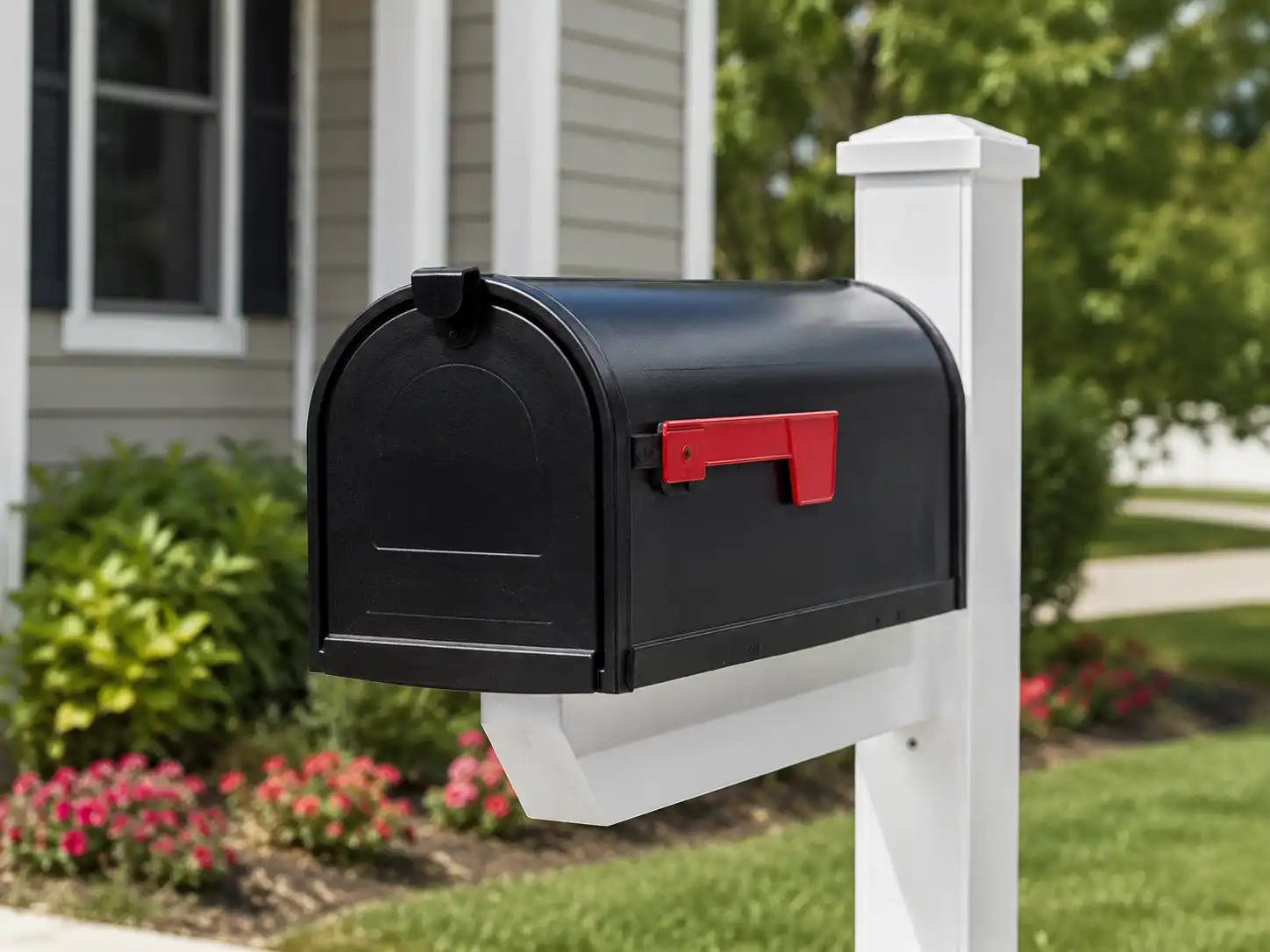
Best Material for Locking Mailboxes and Parcel Boxes
Locking mailboxes and parcel boxes need stronger materials than basic letter mailboxes.
This is because they need to protect mail or packages, not just hold them.
For a locking mailbox, the material should support:
- A strong lock area
- A firm door structure
- Anti-pry edges
- Strong hinges
- Repeated opening and closing
- Weather-resistant outdoor use
For a parcel box, the material should also support:
- Larger box size
- Package weight
- Strong collection door
- Drop structure
- Stable mounting
- Long-term outdoor exposure
For these reasons, metal is usually the best choice.
Powder-coated galvanized steel is often used for secure parcel boxes because it gives a strong structure at a practical cost. Stainless steel can be used when corrosion resistance or premium appearance is more important.
Aluminum can work for smaller wall-mounted locking mailboxes, but for larger parcel boxes, steel is usually more suitable.
A Real Selection Example: Choosing Material for a Parcel Box
One common situation we see is that homeowners first focus on mailbox style, but later realize material is the real issue.
For example, a homeowner may want a clean, modern parcel box near the front entrance. At first, they may only care about the color and shape. But after checking the actual use, the needs become clearer.
The parcel box will stay outdoors all year. It will receive packages several times a week. It must handle rain, sunlight, and repeated opening. It also needs a locking collection door to keep packages safer.
In this case, a thin plastic box or decorative wooden box would not be the best long-term option.
A better choice would be a powder-coated galvanized steel parcel box with:
- Strong metal body
- Weather-resistant surface finish
- Reinforced lock area
- Durable hinge design
- Enough internal package space
- A color that matches the home exterior
If the home is near the coast or in a very humid area, stainless steel may also be considered.
This example shows why the best mailbox material should be chosen by real use, not only by appearance.
Manufacturing View: What We Check Before Choosing Mailbox Material
From a manufacturing point of view, mailbox material is not only about the metal name.
Two mailboxes may both be called “steel mailboxes,” but their real performance can be very different. Material thickness, surface treatment, structure, and production quality all matter.
Before choosing material for a mailbox or parcel box, we usually consider:
- Material thickness
Thicker metal can improve strength, especially around the door, lock, and hinge areas. - Surface finish
Powder coating, brushing, polishing, or other finishes affect weather resistance and appearance. - Rust protection
Outdoor mailboxes need protection around edges, seams, screws, and welded areas. - Lock area strength
The material around the lock should not bend easily. - Hinge structure
The hinge area should support repeated daily use. - Mailbox size
Larger parcel boxes need stronger structure than small letter mailboxes. - Installation method
Wall-mounted, post-mounted, gate-mounted, and freestanding mailboxes may need different material strength. - Weather exposure
Rainy, coastal, snowy, or sunny areas may require different surface treatment. - Cost and durability balance
The most expensive material is not always necessary. The best material should match the real use case.
This is why a good mailbox material decision should consider the full product design, not only the material name.
Common Mistakes When Choosing Mailbox Material
Many mailbox problems come from choosing material too quickly.
Here are common mistakes to avoid:
- Choosing only by appearance
- Buying a mailbox that is too thin
- Ignoring local weather conditions
- Using plastic for high-security mailbox needs
- Choosing wood without planning maintenance
- Ignoring surface coating quality
- Forgetting about package weight in parcel boxes
- Choosing aluminum when heavy-duty steel is needed
- Not checking the lock and hinge area
- Buying a mailbox that does not match the installation method
A mailbox material should be chosen for real use. A nice-looking mailbox is not enough if it cannot handle weather, daily use, or mail security needs.
Mailbox Material Buying Checklist
Use this checklist before choosing a mailbox material.
| Before Buying | What to Check |
| Mailbox location | Choose weather-resistant material for outdoor rain, sun, snow, or coastal air |
| Mail and package volume | Use stronger metal for parcel boxes or high-capacity mailboxes |
| Security needs | Choose galvanized steel or stainless steel for locking mailboxes and secure parcel boxes |
| Surface finish | Check powder coating, stainless finish, or other outdoor protection |
| Installation method | Match the material strength with wall-mounted, post-mounted, curbside, or freestanding installation |
| Maintenance level | Choose metal if you want lower maintenance than wood |
| Home exterior style | Match material, color, and finish with the entrance, gate, fence, or house design |
| Budget and lifetime | Compare not only the price, but also how long the mailbox can last outdoors |
This checklist helps you choose a mailbox material that fits your home, weather, budget, and delivery needs.
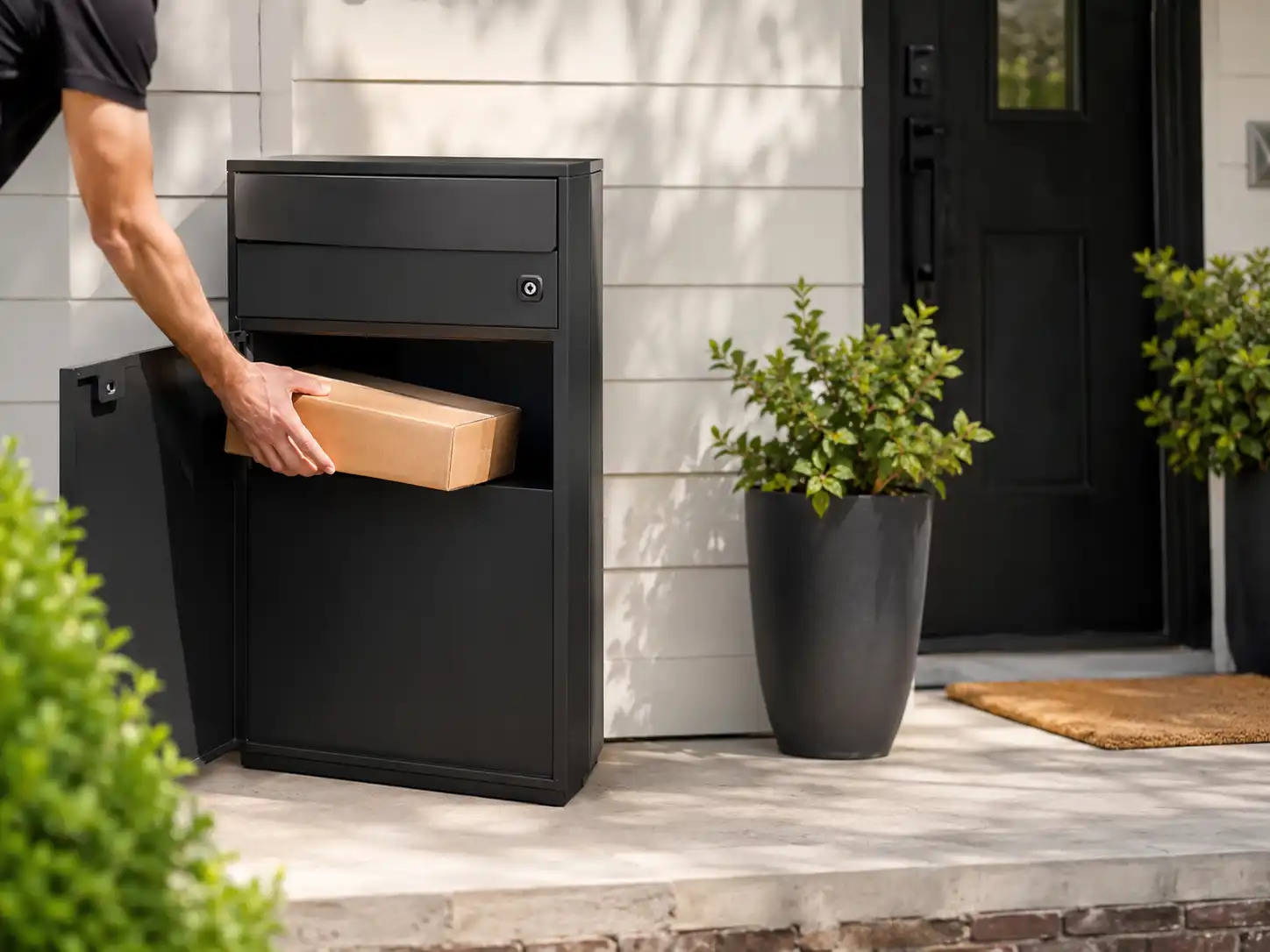
Final Recommendation: What Mailbox Material Should You Choose?
The best mailbox material depends on your real needs.
For most homeowners, powder-coated galvanized steel is a practical choice. It is strong, durable, cost-effective, and suitable for many residential mailboxes, locking mailboxes, and parcel boxes.
Choose stainless steel if your mailbox will be installed in a coastal, rainy, or humid location, or if you want a more premium modern look.
Choose aluminum if you need a lightweight wall-mounted mailbox with rust resistance.
Choose plastic only if you need a basic low-cost mailbox and do not have high security or long-term durability requirements.
Choose wood if you want a decorative style and are willing to maintain it.
For secure locking mailboxes and parcel boxes, metal is usually the best choice. It gives stronger structure, better lock support, and better long-term outdoor performance.
Before buying, remember to check:
- Weather conditions
- Mailbox size
- Security needs
- Surface finish
- Installation method
- Maintenance level
- Home style
- Long-term durability
The best mailbox material is not just the one that looks good. It is the one that works well for your home every day.
Need a Custom Mailbox Material Solution?
A mailbox should be durable, practical, and suitable for the environment where it will be used.
HomeBox Solutions supports custom mailbox, locking mailbox, and parcel box solutions for residential, commercial, and project use. We can help with material selection, size design, color, surface finish, lock structure, packaging, and OEM/ODM production.
If you need a custom mailbox or parcel box with the right material for your project, contact us to discuss your requirements.
FAQ
What is the best material for a mailbox?
For most homes, powder-coated galvanized steel is one of the best mailbox materials. It offers strong structure, outdoor durability, and reasonable cost. Stainless steel is better for coastal or rainy areas.
What type of mailbox lasts the longest?
A well-made stainless steel or powder-coated galvanized steel mailbox usually lasts longer than plastic or untreated wood. Surface finish, installation, and weather conditions also affect lifespan.
Is steel or aluminum better for a mailbox?
Steel is usually better for strong locking mailboxes and parcel boxes. Aluminum is better for lightweight wall-mounted mailboxes and rust-resistant residential designs.
Do aluminum mailboxes rust?
Aluminum does not rust like ordinary steel. However, the surface can still oxidize or wear over time, especially if the finish is poor or the environment is harsh.
Is stainless steel good for outdoor mailboxes?
Yes, stainless steel is a good material for outdoor mailboxes, especially in rainy, humid, or coastal areas. It offers better corrosion resistance and a modern appearance.
Are plastic mailboxes durable?
Plastic mailboxes can work for basic residential use, but they may fade, crack, or become brittle after long-term sun and cold exposure. They are not ideal for secure locking mailboxes or parcel boxes.
What is the best material for a locking mailbox?
Galvanized steel or stainless steel is usually best for a locking mailbox. These materials provide stronger body structure, better lock support, and better outdoor durability.
What is the best material for a parcel box?
Powder-coated galvanized steel is a practical choice for parcel boxes because it supports larger size, package weight, lock structure, and long-term outdoor use.
What mailbox material is best for rainy areas?
Powder-coated galvanized steel and stainless steel are both good choices for rainy areas. The mailbox should also have a covered opening, tight door fit, and good drainage design.
What mailbox material is best for coastal areas?
Stainless steel is often the better choice for coastal areas because it has stronger corrosion resistance. High-quality coated aluminum can also be considered for some designs.
Popular Parcel Box and Letterbox Products
Choose from existing product styles or develop your own custom series.
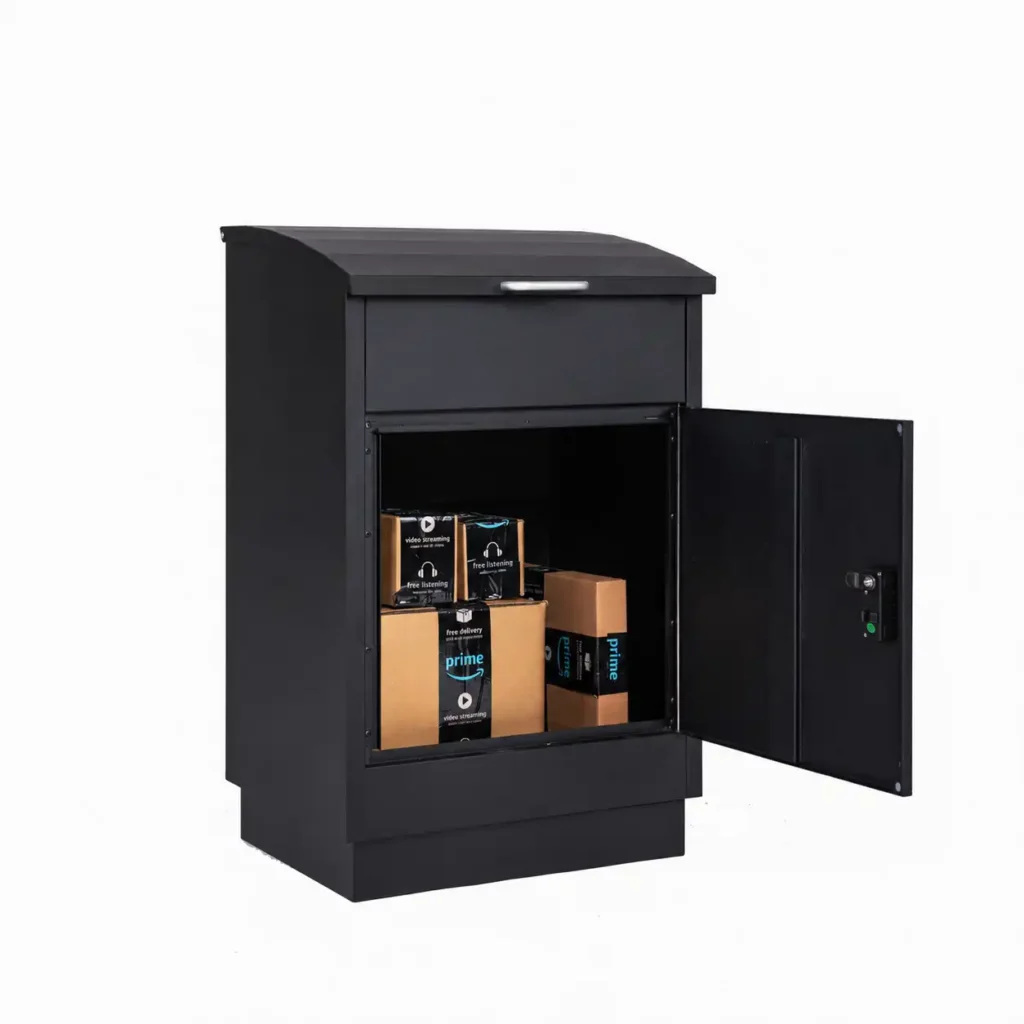
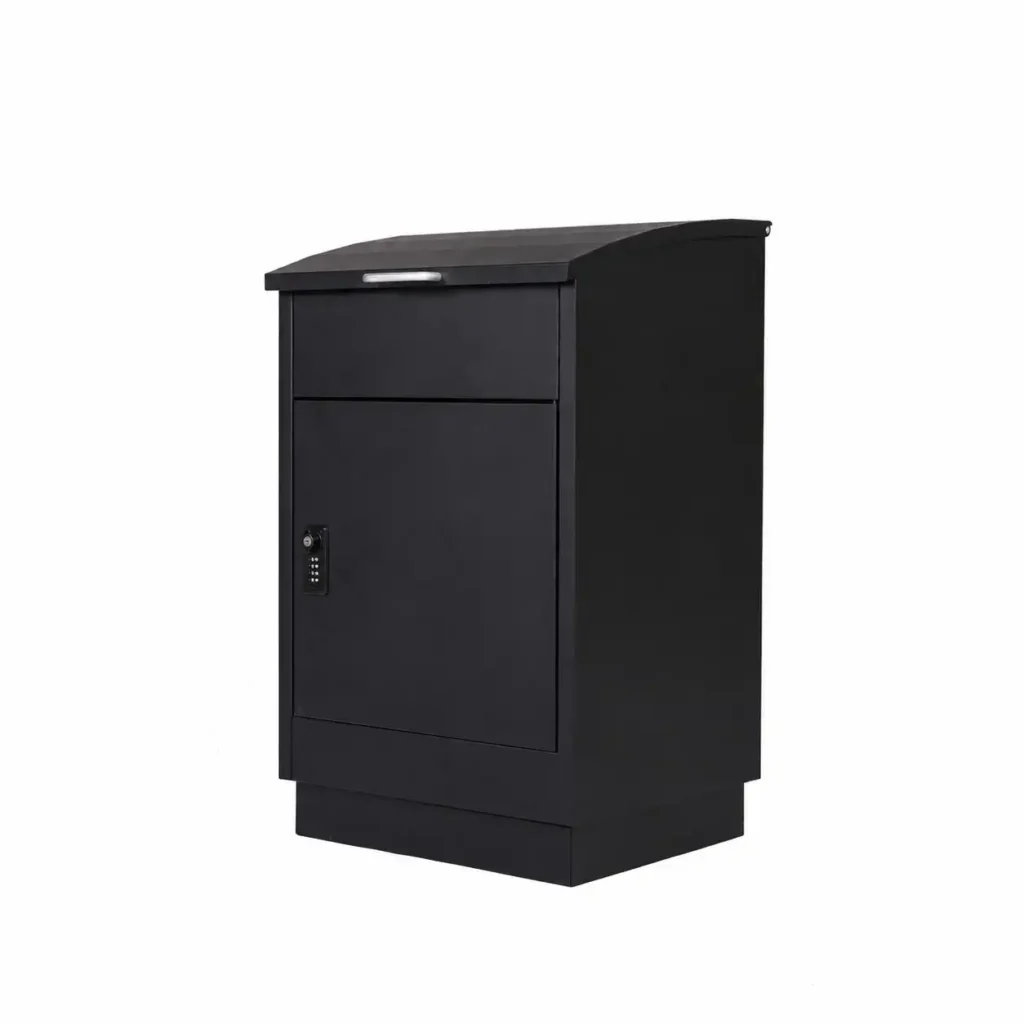
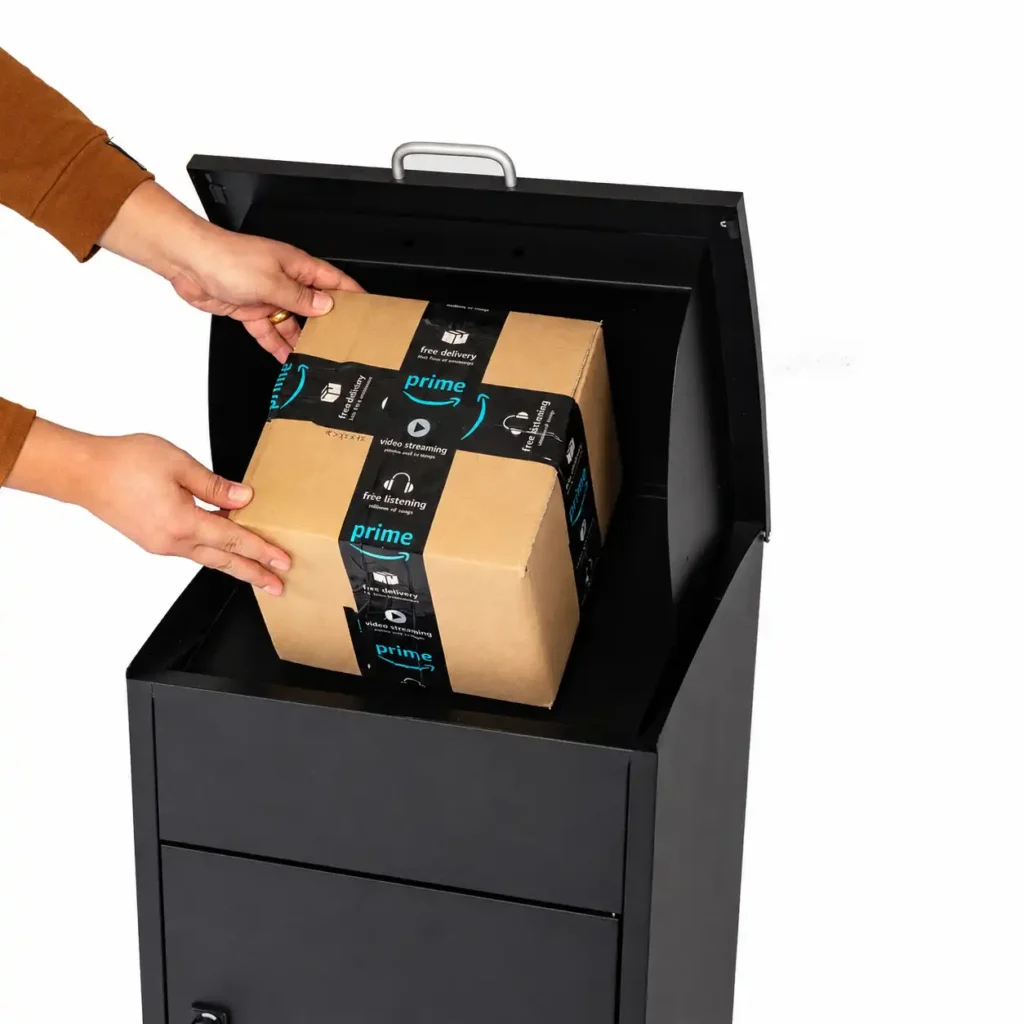
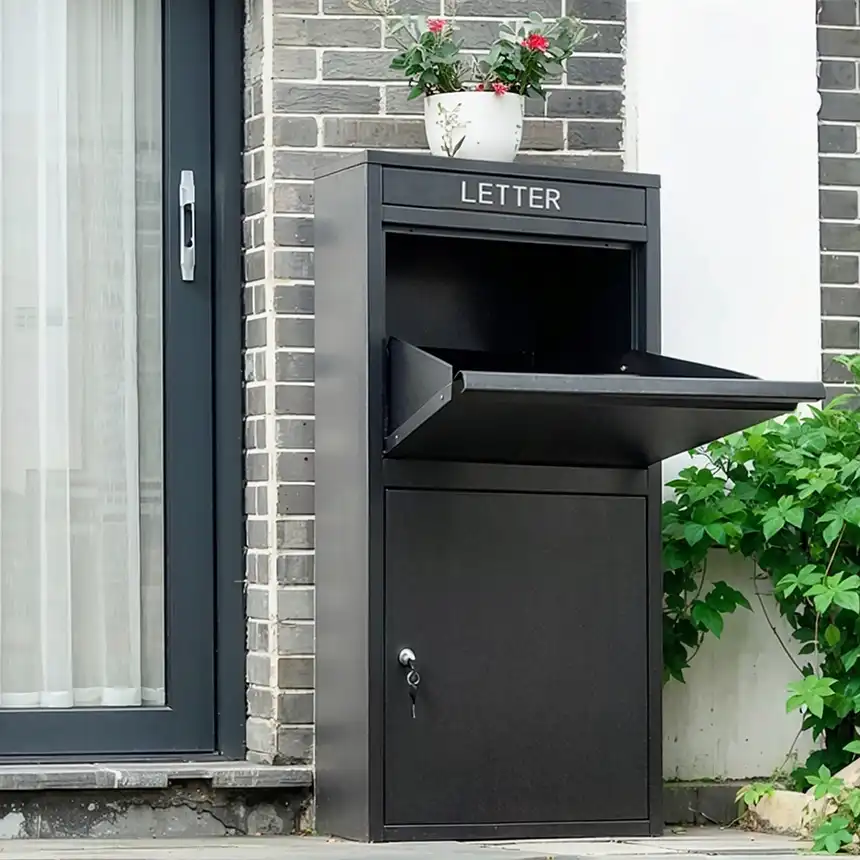
Extra Large Parcel Boxes
High-capacity parcel boxes for oversized packages and busy delivery locations.
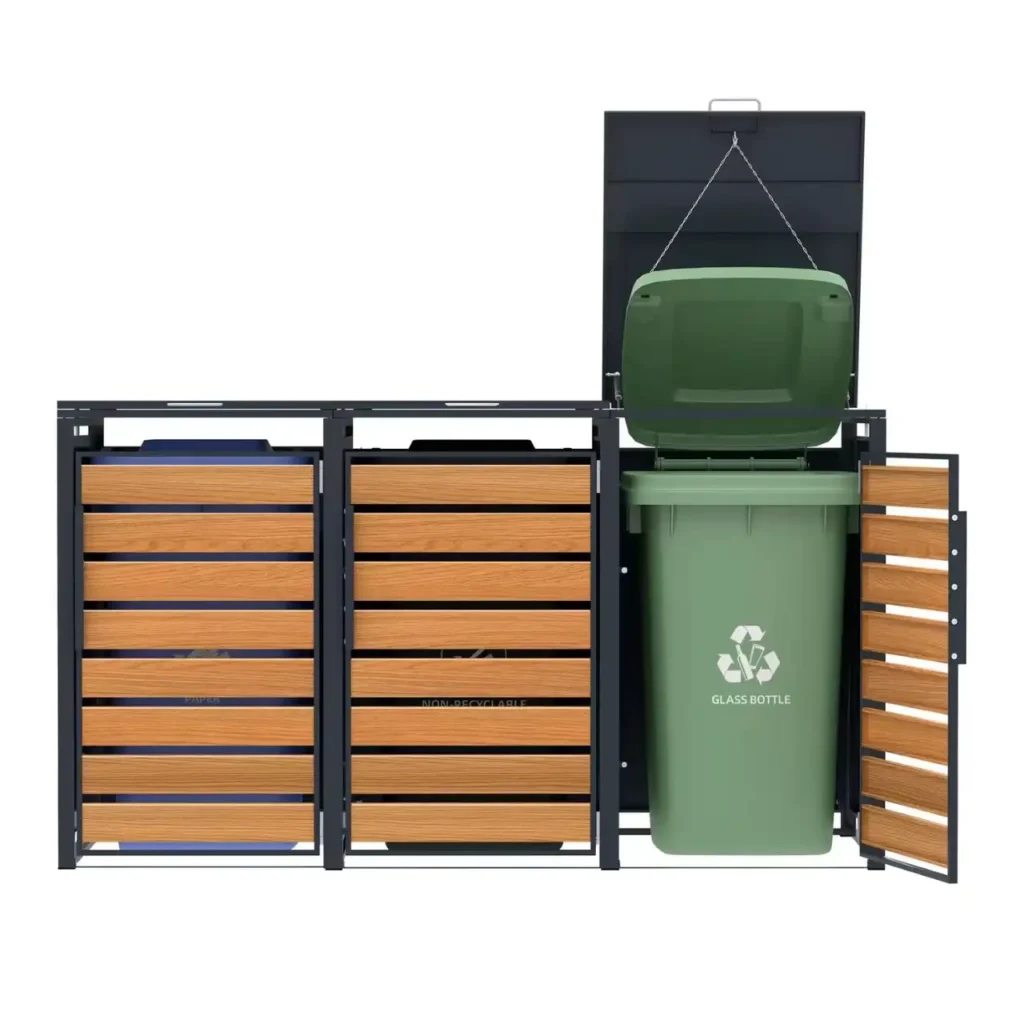
Trash Bin Enclosure
Outdoor trash bin enclosures provide a clean and secure way to store one, two, three, or multiple wheeled bins.
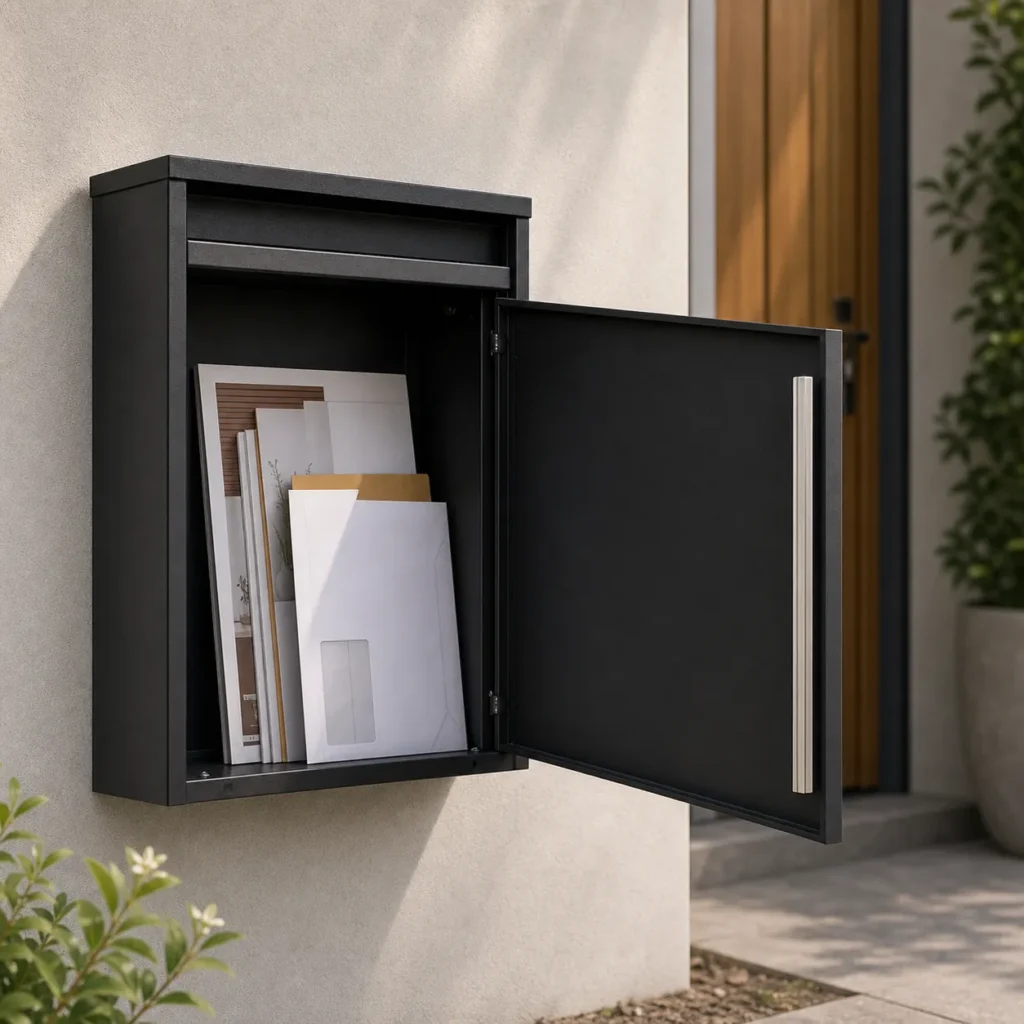
Letter and Mail Boxes
Letter boxes are designed to make mail and small parcel receiving more organized, secure, and convenient.
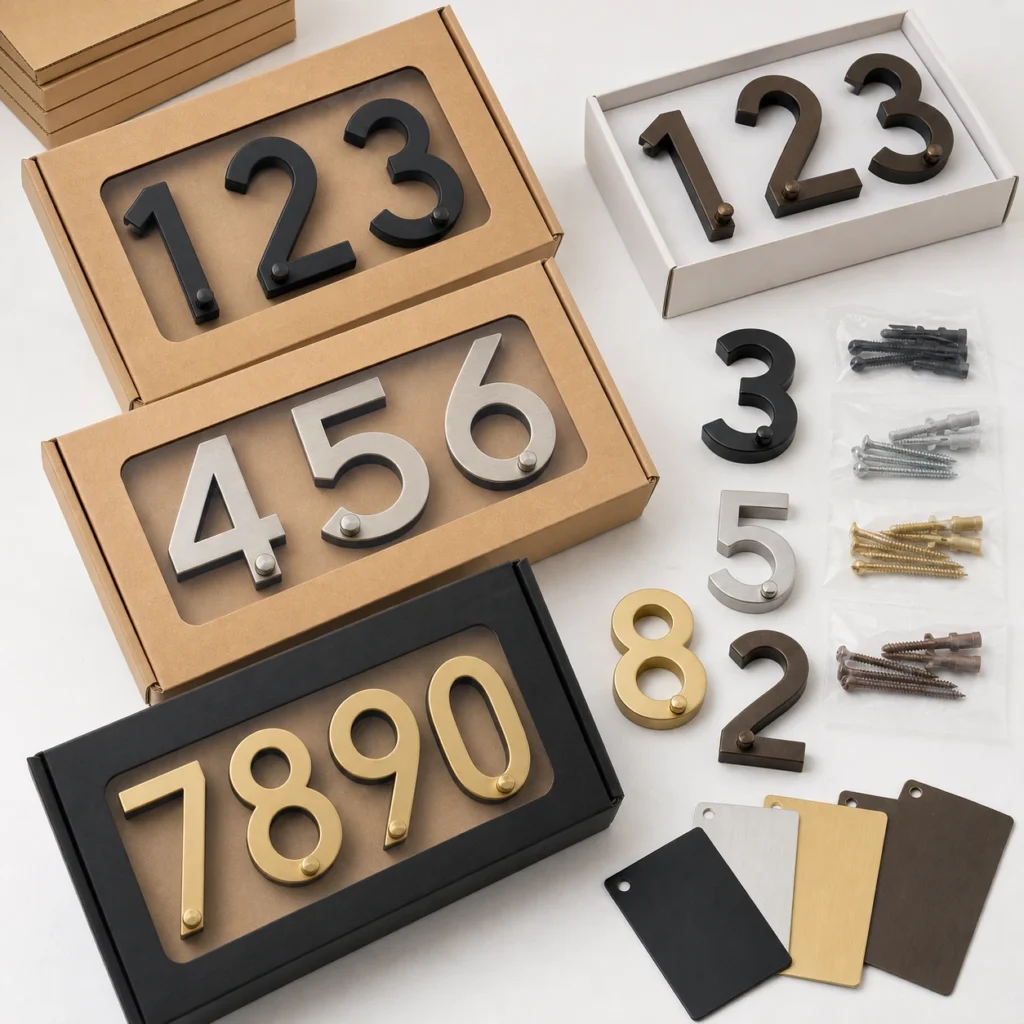
House Numbers
House numbers are small details, but they affect the first impression of a property, the visibility of an address.
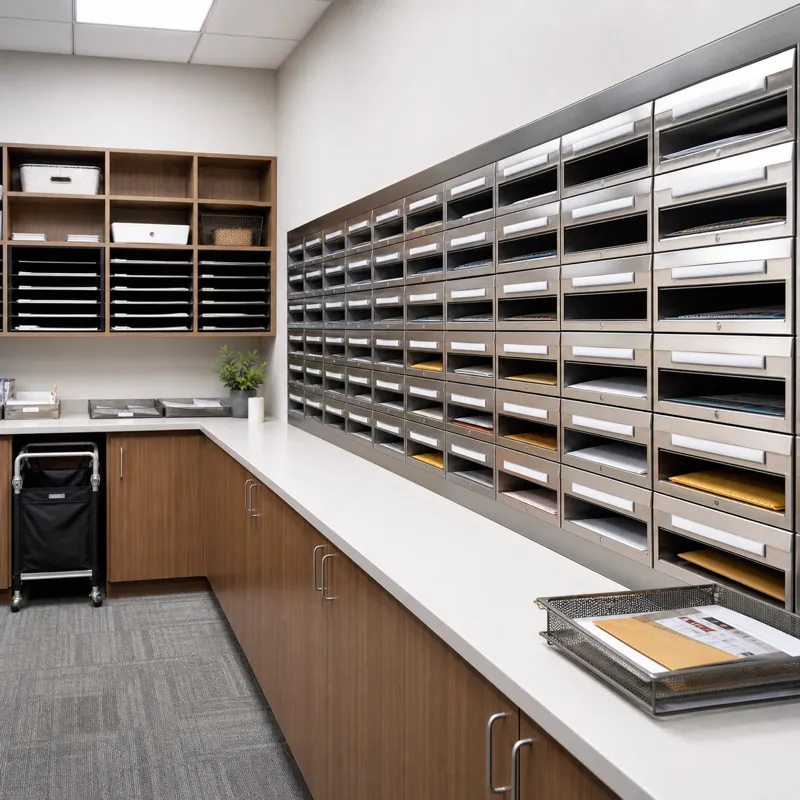
Mail Slots
Mail slots are designed for projects where appearance, size, and installation details matter.