24
Aug.
Aug.
Einen Briefkastenpfosten zu installieren bedeutet nicht nur, ein Loch zu graben und einen Pfosten in den Boden zu setzen.
Der Pfosten muss gerade, stabil, korrekt positioniert und stark genug für den Briefkasten sein. Gleichzeitig sollte eine Briefkastenhalterung am Straßenrand kein unnötig starres Hindernis werden.
Bei den meisten Installationen ist der Ablauf:
Den Standort wählen → den fertigen Briefkasten messen → unterirdische Versorgungsleitungen prüfen → das Loch vorbereiten → den Pfosten ausrichten und sichern → das Montagebrett installieren → den Briefkasten befestigen.
Die größte Frage ist meistens:
Sollten Sie den Briefkastenpfosten mit Beton oder ohne Beton installieren?
Die Antwort hängt von Ihrem Pfostensystem, dem Boden, dem Gewicht des Briefkastens und dem Standort ab. Diese Anleitung erklärt beide Methoden und hilft Ihnen, die richtige zu wählen.
Inhaltsverzeichnis
ausblenden
Kurze Antwort: Wie sollten Sie einen Briefkastenpfosten installieren?
Beginnen Sie hier, wenn Sie sich nicht sicher sind, welche Installationsmethode Sie verwenden sollen.
| Situation | Besserer Ausgangspunkt |
|---|---|
| Hersteller verlangt Beton | Befolgen Sie die mitgelieferten Installationsanweisungen |
| Fester Boden + direkt eingegrabener Pfosten | Beton ist möglicherweise nicht erforderlich |
| Modularer Briefkastenpfosten | Bodenanker kann einfacher sein |
| Lockere oder sandige Erde | Zusätzliche Stabilisierung kann erforderlich sein |
| Sehr nasser Boden | Entwässerung und Pfostenhaltbarkeit priorisieren |
| Großer oder schwerer Briefkasten | Tragfähigkeit von Pfosten und Halterung prüfen |
| Einfachen zukünftigen Austausch wünschen | Bodenanker oder abnehmbares System |
| Straßenseitige Installation | Eine übermäßig starre Stütze vermeiden |
| Vorhandener Pfosten ist solide | Möglicherweise benötigen Sie nur ein neues Montagebrett |
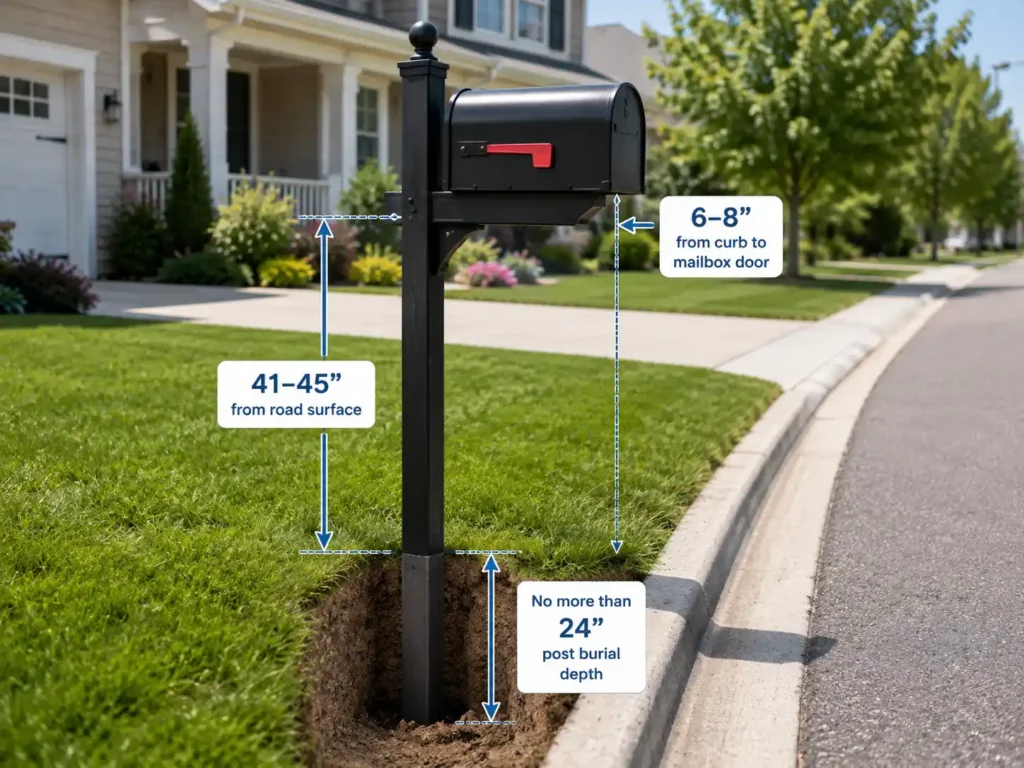
Für die US-amerikanische Bordsteinzustellung sagt USPS derzeit, dass Briefkästen im Allgemeinen installiert werden 41–45 Zoll über der Straßenoberfläche und 6–8 Zoll zurück vom Bordstein oder Straßenrand bis zur Briefkastentür. USPS also advises contacting the local Post Office before installing or replacing a curbside mailbox because local conditions can affect placement.
Bevor Sie einen Briefkastenpfosten installieren, prüfen Sie diese 5 Dinge
Getting these right before digging will prevent most installation problems.
Bestätigen Sie den Standort des Briefkastens
Do not decide where the post goes until you know where the finished mailbox door will be.
For a typical U.S. curbside installation:
Mailbox height: 41–45 in. above the road
Setback: 6–8 in. from the curb or road edge to the mailbox door
These measurements apply to the finished mailbox, not simply the post.
This becomes important when replacing a small mailbox with a deeper model.
The post may remain in exactly the same place, but a longer mailbox can move the door several inches closer to the road.
Prüfen Sie unterirdische Versorgungsleitungen
Before digging a new hole, confirm that the location is clear of underground utility lines.
Do not assume an area is safe simply because an old mailbox post was nearby.
The new hole may be wider or in a slightly different position.
Messen Sie zuerst den Briefkasten
Before setting the post, measure:
Briefkastenbreite
Briefkastentiefe
Briefkastenhöhe
Mounting footprint
Abstand zwischen den Befestigungslöchern
Position of the front door
Position of a rear access door, if included
This tells you where the post and mounting board actually need to be.
Prüfen Sie den Boden
Look at the soil before choosing a foundation method.
Fragen Sie:
Is it firm or loose?
Does water collect here?
Is it sandy?
Has the ground been disturbed?
Are there large roots?
Does the ground slope toward the road?
Does frost movement affect posts in your area?
A foundation that works well in firm soil may perform poorly in loose or waterlogged ground.
Prüfen Sie das Gewicht des Briefkastens
Do not look only at the empty mailbox.
Think about the load after it is installed.
A large metal mailbox may also hold:
Kataloge
Dicke Umschläge
Kleine Pakete
Post von mehreren Tagen
A bigger box can place much more load on the post and mounting bracket than a traditional lightweight mailbox.
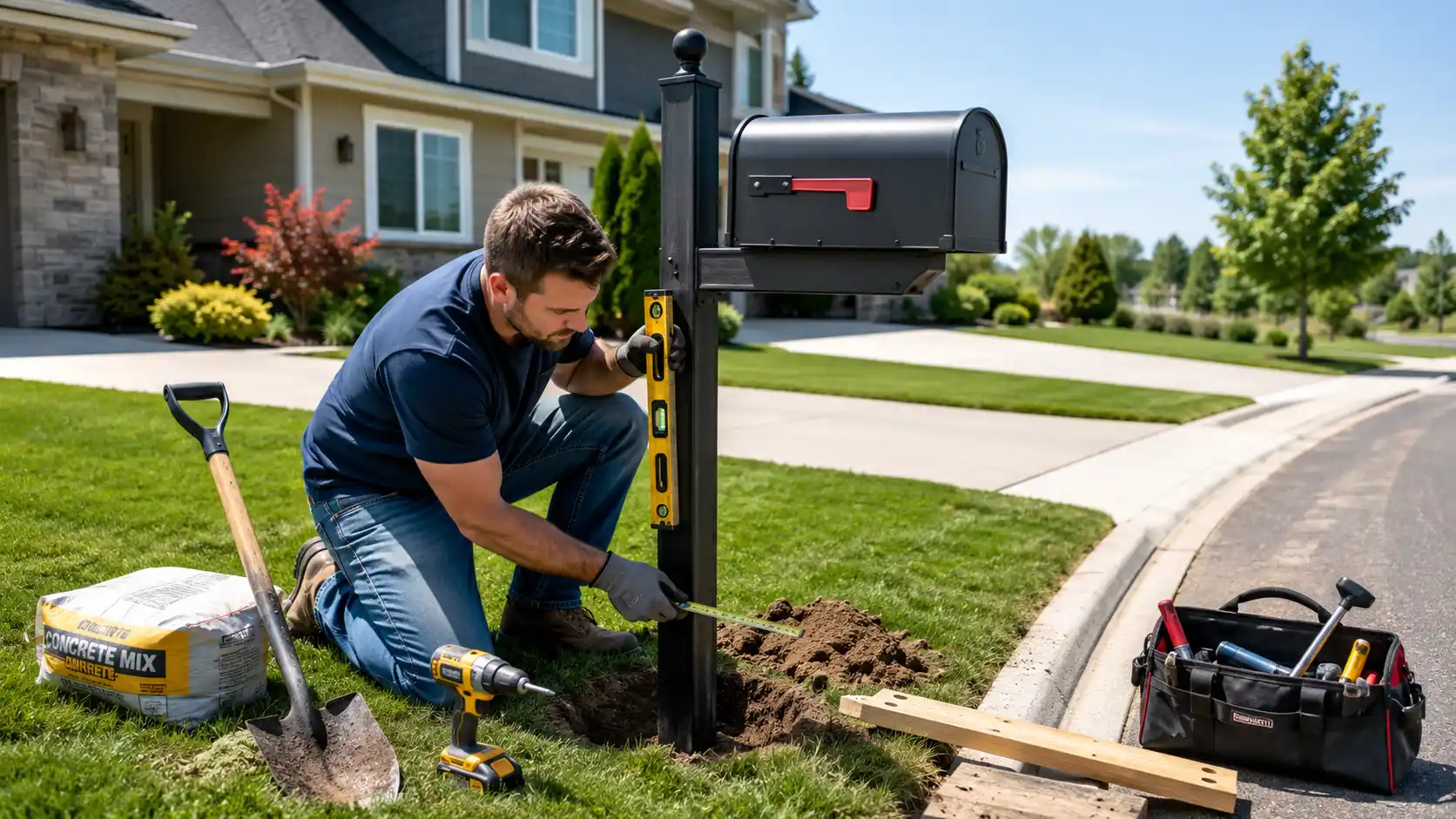
Wie tief sollte ein Briefkastenpfosten sein?
USPS guidance references mailbox supports buried no more than 24 inches deep and recommends support designs that can bend or fall away if struck by a vehicle.
This does nicht mean every post should automatically be buried exactly 24 inches.
The correct depth also depends on:
Post design
Manufacturer instructions
Soil
Ground anchor system
Gewicht des Briefkastens
Örtliche Vorschriften
Verwenden Sie nicht die Pfostentiefe, um die Höhe des Briefkastens festzulegen
This is an easy mistake.
For example, you cannot simply say:
24 inches underground + 42 inches above ground = correct post length.
The lawn and road may not be at the same elevation.
You also need to account for:
Mounting bracket
Montagebrett
Mailbox floor
Difference between lawn and road level
The better approach is to establish the finished mailbox height first, then work backward to determine the post position.
Welche Größe sollte Ihr Briefkastenpfosten haben?
USPS points to Federal Highway Administration guidance that identifies a 4 × 4 inch wood support or Standard-Stahl- oder Aluminiumrohr mit 2 Zoll Durchmesser as examples of supports designed to safely break away if struck. It also warns against unyielding roadside supports such as heavy pipes and concrete posts.
That is an important distinction:
A mailbox post needs to be stable, but the strongest possible roadside post is not automatically the safest post.
Do not simply replace a normal mailbox support with:
A massive steel column
A concrete column
An oversized rigid pipe
A heavily reinforced structure
without considering applicable local and roadside safety requirements.
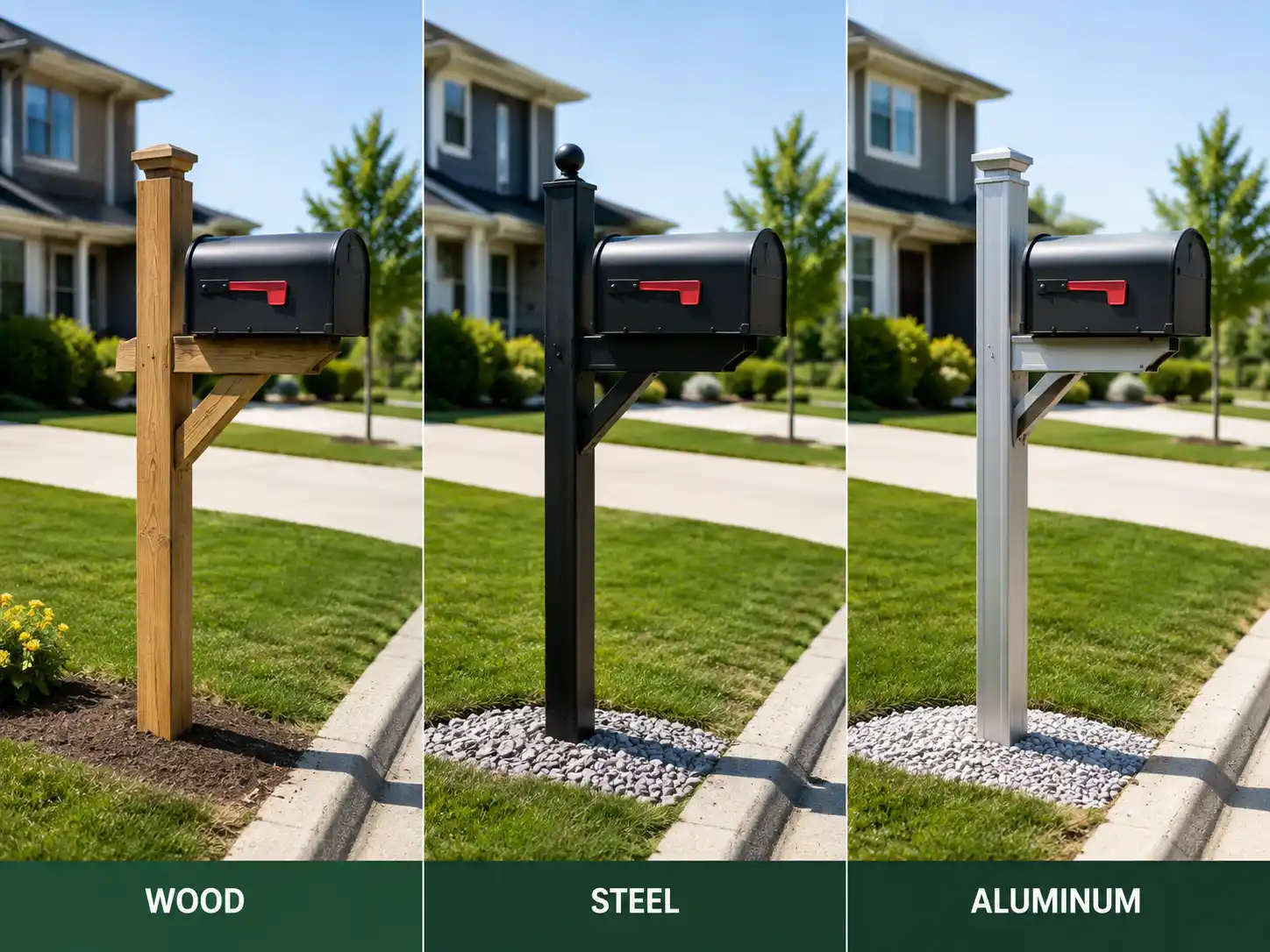
Holz vs. Stahl vs. Aluminium Briefkastenpfosten
Each material has advantages.
| Material | Best Features | What to Watch |
|---|---|---|
| Holz | Easy to cut, drill, and repair | Rot, splitting, maintenance |
| Steel | Strong, clean appearance, good for metal mailbox systems | Corrosion protection |
| Aluminium | Lightweight and corrosion resistant | Correct section and load capacity |
| Decorative post system | Integrated appearance and hardware | Compatibility and actual structural support |
Holz-Briefkastenpfosten
Wood is popular for DIY installation because it is easy to:
Cut
Bohrer
Attach a mounting board
Modify later
The weak point is often near ground level.
If you are reusing an old wood post, inspect the area just above and below the soil carefully.
A post can look solid at the top while being badly weakened at the base.
Stahl-Briefkastenpfosten
Steel works well with modern metal mailboxes and can provide a clean, integrated appearance.
Überprüfen:
Coating condition
Wall thickness
Schweißnähte
Mounting bracket
Entwässerung
Rust around ground level
If powder coating or paint is damaged during installation, repair the exposed area before corrosion spreads.
Aluminium-Briefkastenpfosten
Aluminum offers good corrosion resistance and lower weight.
It can be useful in wet or coastal environments, but the post still needs sufficient strength and a suitable mounting system for the mailbox being used.
Benötigen Sie Beton für einen Briefkastenpfosten?
No, not every mailbox post needs concrete.
Concrete is one installation method, not a universal requirement.
Mailbox posts may also use:
Direct burial
Compacted backfill
Gravel
Ground anchors
Screw-in anchors
Manufacturer-designed mounting bases
The right method depends on the specific post.
Wann Beton sinnvoll sein kann
Concrete may be appropriate when:
The post manufacturer specifies it
Ground conditions require more stabilization
The installation design has been engineered around a concrete footing
Local requirements allow the chosen system
Wann Beton nicht notwendig sein muss
You may not need it when:
The post is designed for direct burial
Firm soil provides adequate support
The system uses a ground anchor
The post is designed to be removable
A manufacturer provides another approved installation method
For roadside installations, remember that USPS favors supports that are stable during normal use but can bend or fall away during a vehicle impact. Heavy metal pipes and concrete posts are specifically identified as potentially dangerous examples.
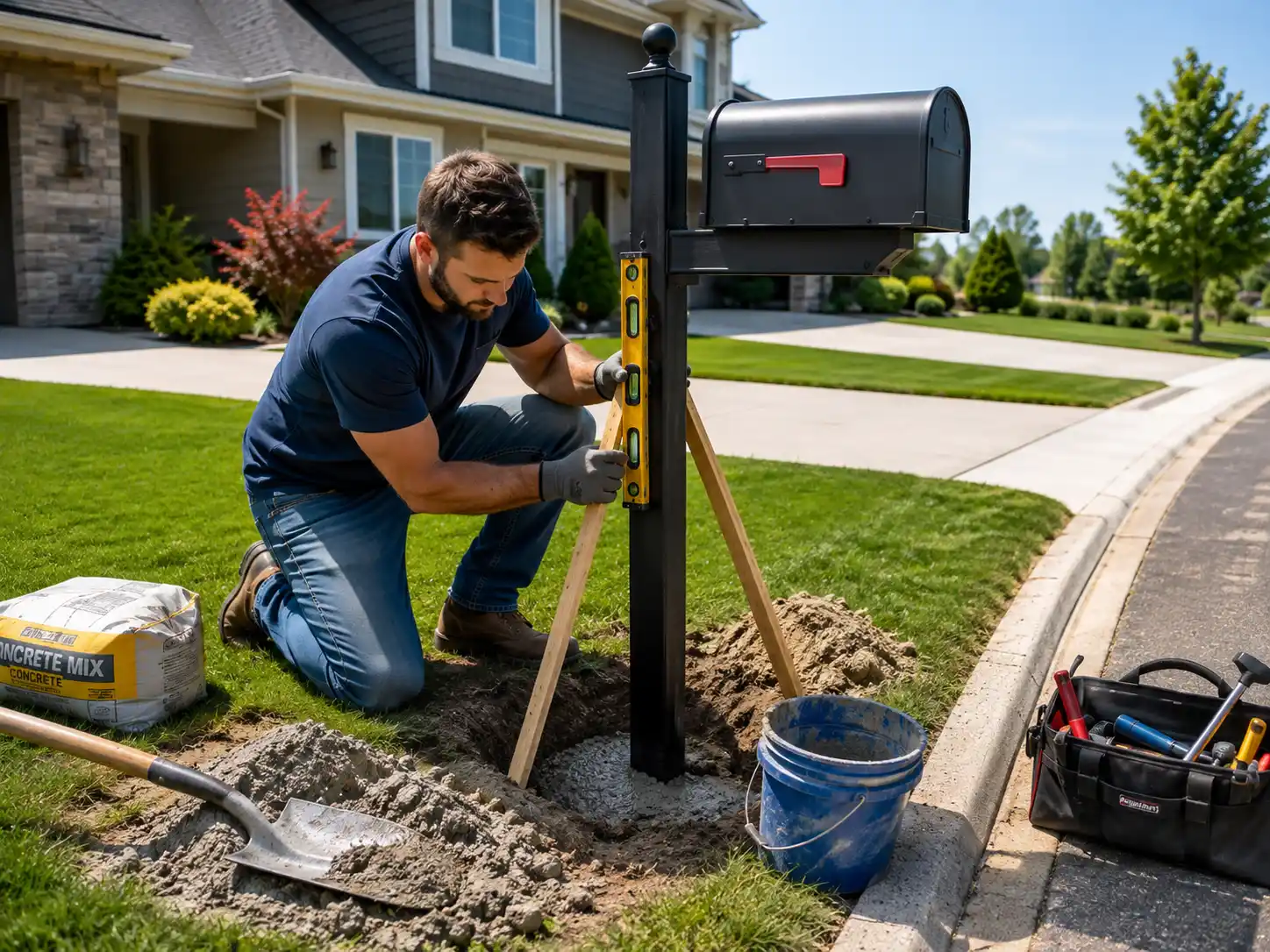
Wie man einen Briefkastenpfosten mit Beton installiert
If your post system calls for concrete, follow this process.
Schritt 1: Markieren Sie die endgültige Position des Briefkastens
Start at the road—not at the post hole.
Work out where the mailbox door must sit.
For typical curbside placement:
Mailbox door → curb or road edge = 6–8 inches
Then measure backward to find the correct post location.
Schritt 2: Berechnen Sie die endgültige Höhe des Briefkastens
The final mailbox generally needs to sit within the 41–45 inch range measured from the road surface to the inside floor or lowest mail-entry point, depending on design.
Account for:
road level + lawn level + exposed post + bracket + mounting board + mailbox
Do not cut the post based only on ground level.
Schritt 3: Bereiten Sie das Loch vor
Dig according to the post manufacturer’s instructions and applicable roadside requirements.
For common breakaway-style roadside supports, USPS/FHWA guidance references burial no deeper than 24 inches.
Keep the hole only as large as needed for the chosen installation system.
Schritt 4: Bringen Sie den Pfosten in Position
Setzen Sie den Pfosten in das Loch.
Use a level on two sides.
Überprüfen:
Front to back
Von links nach rechts
Do not judge it by eye.
A small lean becomes much more visible once the mailbox is attached.
Schritt 5: Stützen Sie den Pfosten ab
Use temporary supports to keep the post still.
Before adding concrete, check again:
Finished mailbox height
Curb setback
Post direction
Mailbox orientation
This is much easier to correct now than later.
Schritt 6: Fügen Sie den Beton hinzu
Mix and place the concrete according to the post or foundation instructions.
Keep checking the level while filling.
Do not let the post rotate.
A perfectly vertical post facing the wrong direction still creates an installation problem.
Schritt 7: Lassen Sie die Basis stabilisieren
Do not immediately install a large mailbox.
Allow the footing to reach the condition required by the concrete or post-system instructions before loading it.
Schritt 8: Installieren Sie das Montagebrett oder die Halterung
Once the post is stable, attach the mounting system.
Then check the finished position again before securing the mailbox.
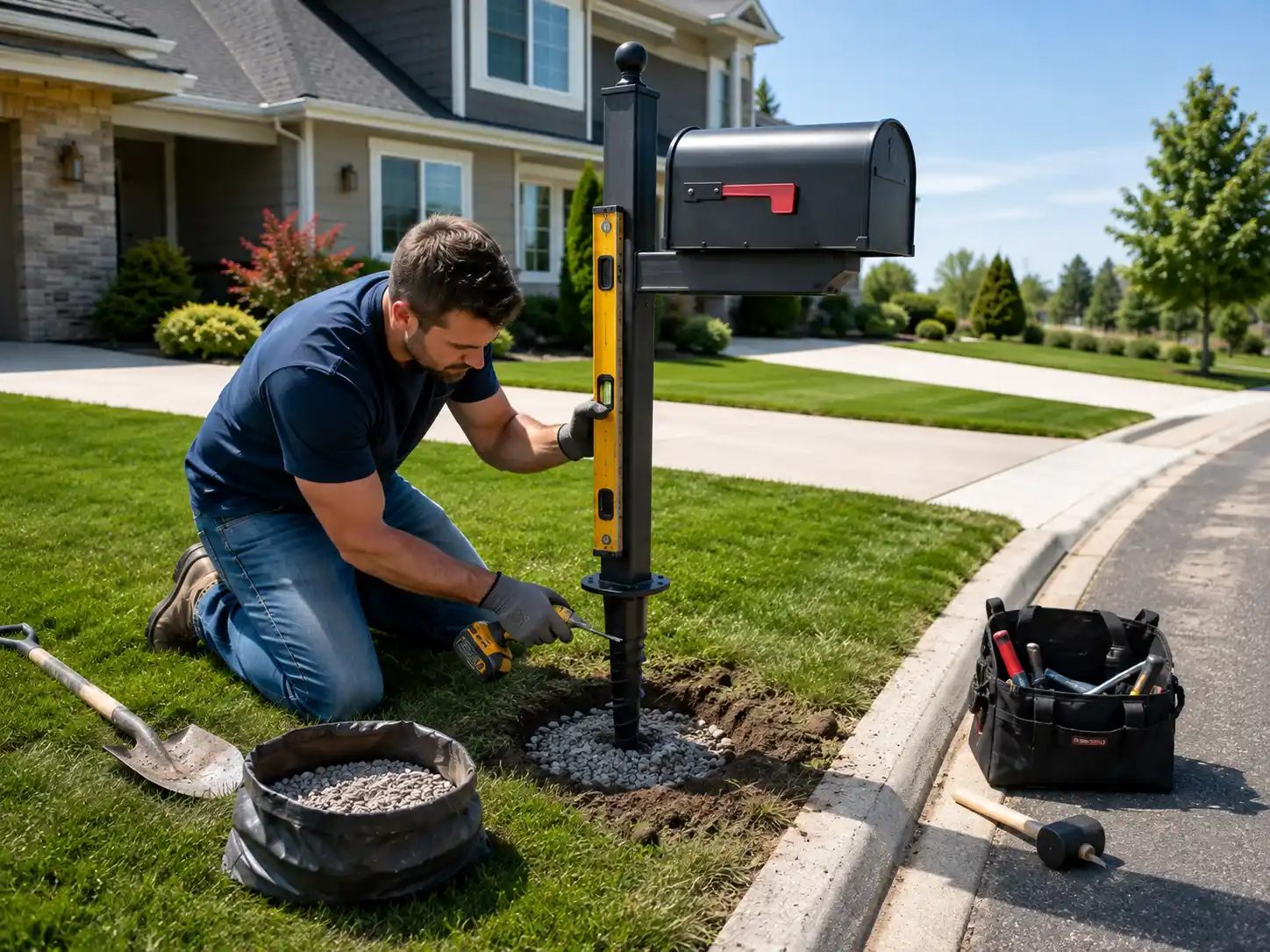
Wie man einen Briefkastenpfosten ohne Beton installiert
Concrete-free installation can be simpler and easier to repair later.
The best method depends on the post design.
Methode 1: Direkte Erdverlegung mit verdichtetem Verfüllmaterial
This can work with compatible posts in suitable soil.
Place the post in the hole and add backfill gradually.
Compact each layer instead of filling the entire hole at once.
Keep checking the post with a level.
This method is more suitable when:
Soil is firm
Drainage is reasonable
The mailbox is not unusually heavy
The post is intended for direct burial
Methode 2: Kies
Gravel may help drainage and can be used around some post systems.
But simply filling a large hole with loose gravel does not guarantee a stable mailbox.
The material still needs to support and restrain the post.
Use this approach only when it fits the post design and ground conditions.
Methode 3: Bodenanker
Some mailbox systems use a metal anchor installed below ground.
The visible post then attaches to that anchor.
Benefits can include:
Less excavation
Easier post replacement
Easier adjustment
No large concrete footing
Follow the anchor manufacturer’s installation depth and load requirements.
Methode 4: Einschraubanker
A helical or screw-style anchor is turned into the soil.
The mailbox post attaches above it.
This can work well in suitable ground but may be less practical in:
Rocky soil
Ground with large roots
Very loose fill
Extremely soft ground
Do not force an anchor system into soil it was not designed for.
Beton vs. kein Beton: Was ist besser?
There is no universal winner.
The best choice is the one that gives your mailbox enough stability without creating unnecessary installation problems.
| Faktor | Beton | No Concrete |
|---|---|---|
| Installation effort | Higher | Often lower |
| Future removal | More difficult | Usually easier |
| Adjustment later | Difficult | Often easier |
| Stability in difficult soil | Can help in suitable designs | Depends heavily on anchor/system |
| Drainage concerns | Needs proper design | Gravel/anchor systems may help |
| DIY simplicity | Moderate | Often easier |
| Roadside safety | Foundation/support must remain appropriate | Can work well with breakaway-style systems |
For most homeowners, the first question should not be:
“Which method is stronger?”
It should be:
“Which method is designed for this post and this location?”
Wie man einen Briefkasten am Pfosten befestigt
Once the post is stable, the next weak point is often the mounting board.
A mailbox usually attaches through either:
A wooden mounting board
A metal bracket
A proprietary mounting plate
Prüfen Sie die Größe des Montagebretts
The board should support the base of the mailbox without interfering with:
Ablauflöcher
Türbewegung
Schlosskomponenten
Zugang von hinten
Fastener locations
Zentrieren Sie den Briefkasten vor dem Bohren
Put the mailbox on the board first.
Then check:
Front overhang
Rear overhang
Side-to-side position
Curb setback
Türfreiraum
Only then mark the mounting holes.
Ziehen Sie die Schrauben gleichmäßig an
Do not overtighten fasteners against thin sheet metal.
If the bottom of the mailbox twists, the front door or lock may stop aligning properly.
Warum schließt meine Briefkastentür nach der Installation nicht?
If the mailbox door worked before installation but does not close afterward, do not immediately replace the latch.
First check the mounting.
Versuchen Sie:
Lockern Sie die Montageschrauben leicht.
Make sure the mailbox body is square.
Öffnen und schließen Sie die Tür.
Check the latch alignment.
Retighten the screws evenly.
An uneven mounting board or overtightened screw can twist the metal body just enough to affect the door.
Wie man verhindert, dass ein Briefkastenpfosten sich neigt
If a mailbox post leans, adding another screw to the mailbox will not fix it.
The problem is usually at ground level.
Häufige Ursachen sind:
Lockerer Boden
Poor compaction
Water around the base
Fäulnis
Korrosion
Aufprall
Undersized support
Schwerer Briefkasten
Post installed out of level
Neuer Pfosten neigt sich
If you have just installed it, fix the base before installing the mailbox.
Do not use the mailbox weight to “hold it straight.”
Alter Pfosten hat begonnen, sich zu neigen
Push the post gently from different directions.
If the whole post moves at ground level:
Remove the mailbox if necessary.
Expose the base.
Check for rot or corrosion.
Re-level the post.
Repair or rebuild the foundation.
Replace the post if structural damage is present.
If a wood post is rotten below ground, straightening it is only a temporary fix.
Können Sie einen vorhandenen Briefkastenpfosten wiederverwenden?
Yes—often you can.
Before keeping it, check four things.
Ist der Pfosten stabil?
Push it gently.
A good post should not rock noticeably at the base.
Ist es strukturell solide?
For wood, look for:
Fäulnis
Splits
Soft areas
For metal, look for:
Rost
Perforation
Verbogene Abschnitte
Beschädigte Schweißnähte
Ist der Standort noch korrekt?
If the new mailbox is deeper than the old one, the front door may move closer to the road.
Recheck the finished 41–45 inch height und 6–8 inch setback rather than assuming the old post position will still work.
Passt das Montagebrett?
This is usually easier to change than the post.
A new mailbox may simply need:
Breitere Platte
Längere Platte
New hole pattern
Adapter plate
Kann man einen größeren Briefkasten am selben Pfosten anbringen?
Sometimes—but check more than the screw holes.
A larger mailbox changes four things.
Gewicht
More steel means more weight.
The larger interior can also hold more mail or parcels.
Hebelwirkung
A deeper mailbox extending farther from the post puts more force on the mounting system.
Rücksprung
A longer box may move the door too close to the road.
Montagefläche
The old mounting board may no longer support the full bottom of the mailbox.
Before upgrading, check:
post condition + mounting board + mailbox weight + final position
If all four work, you may not need a new post.
10 häufige Fehler bei der Briefkastenpfosten-Installation
Graben, bevor der Briefkasten gekauft wird
Know the mailbox dimensions first.
Höhe vom Rasen aus messen
Use the road surface as your reference for curbside USPS placement.
Rücksprung zum Pfosten messen
The USPS setback is measured to the mailbox door.
Annehmen, dass jeder Pfosten 24 Zoll Erdverankerung braucht
Twenty-four inches is a maximum referenced for common breakaway-style supports, not a universal instruction to bury every mailbox post exactly that deep.
Eine übermäßig starre straßenseitige Stütze verwenden
USPS identifies heavy metal and concrete posts as potentially dangerous and favors supports that bend or fall away if struck.
Beton wählen, ohne die Pfostenanleitung zu prüfen
Start with the design of the post, not a generic rule.
Den Briefkasten installieren, bevor die Basis stabil ist
This makes final alignment harder.
Ein schwaches Montagebrett wiederverwenden
A strong post cannot compensate for rotten wood or badly corroded hardware.
Den Briefkasten zu fest anziehen
This can twist the body and affect the door or lock.
Ignorieren, warum Sie den Briefkasten ersetzen
If your old mailbox was too small or insecure, installing another similar box does not solve the real problem.
Wenn ein größerer Briefkasten einen anderen Pfosten braucht
You do not automatically need a stronger post every time the mailbox gets larger.
But you should reassess the support if you are moving from a lightweight traditional mailbox to:
Briefkasten mit großer Kapazität
Abschließbarer Briefkasten
Large steel mailbox
Mailbox with rear access
Paketlieferbox
Check the product’s mounting requirements first.
The right solution may be:
A larger mounting plate
Different bracket
New post
Freestanding base
Separate parcel box
rather than reinforcing the existing curbside post.
Abschließende Checkliste für die Briefkastenpfosten-Installation
Before finishing, check:
Standort
Mailbox is in the correct delivery position
Finished height is correct
Curb setback is correct
Pfosten
Straight front-to-back
Straight side-to-side
Stable at ground level
No visible structural damage
Montage
Board or bracket supports the mailbox
Fasteners are secure
Mailbox is centered
Drainage holes remain open
Operation
Front door opens fully
Door closes easily
Latch aligns
Lock operates normally
Carrier flag works if fitted
Daily Use
House number is visible
Carrier access is clear
Retrieval side is convenient
Mailbox capacity matches normal deliveries
USPS also periodically encourages homeowners to straighten loose mailbox posts, repair hinges, address rust, and maintain clear, readable address numbers.
FAQ zur Briefkastenpfosten-Installation
Wie tief sollte ein Briefkastenpfosten sein?
For common breakaway-style curbside supports, USPS/FHWA guidance references burial no more than 24 inches deep. The exact installation still depends on the post design and local conditions.
Wie hoch sollte ein Briefkasten sein?
For typical curbside delivery, USPS generally specifies 41–45 inches from the road surface to the inside floor of the mailbox or lowest mail-entry point for applicable locked designs.
Wie weit sollte der Briefkasten vom Bordstein entfernt sein?
USPS generally specifies 6–8 inches from the front face of the curb or road edge to the mailbox door.
Muss man Beton für einen Briefkastenpfosten verwenden?
No. Direct-bury posts, ground anchors, screw anchors, and other manufacturer-designed systems may not require concrete.
Ist ein 4 × 4 Pfosten für einen Briefkasten in Ordnung?
A 4 × 4 wood support is one of the examples referenced by USPS/FHWA for a breakaway-friendly curbside support.
Kann ich einen Stahl-Briefkastenpfosten verwenden?
Yes. USPS/FHWA guidance references a 2-inch-diameter standard steel or aluminum pipe as another example of an appropriate breakaway-style support.
Warum neigt sich mein Briefkastenpfosten immer wieder?
The most common causes are weak soil, poor compaction, water around the base, impact, rot, corrosion, or a support that is not suitable for the mailbox weight.
Kann ich meinen alten Briefkastenpfosten wiederverwenden?
Yes, if it is stable, structurally sound, properly located, and suitable for the new mailbox. You may only need to replace the mounting board.
Kann ich einen größeren Briefkasten an meinem vorhandenen Pfosten anbringen?
Possibly. Check the post condition, mounting-board size, mailbox weight, depth, and final curb setback before installing it.
Wählen Sie den Briefkasten, bevor Sie den Pfosten installieren
If you are building a completely new mailbox installation, choose the mailbox first.
This gives you the actual:
Abmessungen
Gewicht
Mounting footprint
Lochabstand
Türfreiraum
Access direction
You can then design the post around the mailbox rather than trying to make an already-installed post fit the wrong product.
If you mainly receive letters, a standard curbside mailbox may be enough.
If your concern is mail security, consider a locking mailbox.
If packages are regularly left outside because they do not fit, a larger mailbox or dedicated parcel box may be a better solution.
Before ordering, record four details:
1. Installation type
Post mount, wall mount, freestanding, or built-in.
2. Available dimensions
Width, depth, and height.
3. Access direction
Front access or rear access.
4. Normal deliveries
Letters, large envelopes, or parcels.
HomeBox Solutions supplies mailbox and parcel box solutions for different residential and project installations.
If you are unsure whether an existing post can support a new mailbox, send us the mailbox size, existing post dimensions, mounting area, and installation photos. We can help you identify the most suitable configuration before you rebuild the post.
Beliebte Produkte für Paketboxen und Briefkästen
Wählen Sie aus unseren bestehenden Produktdesigns oder entwickeln Sie Ihre eigene, maßgeschneiderte Serie.
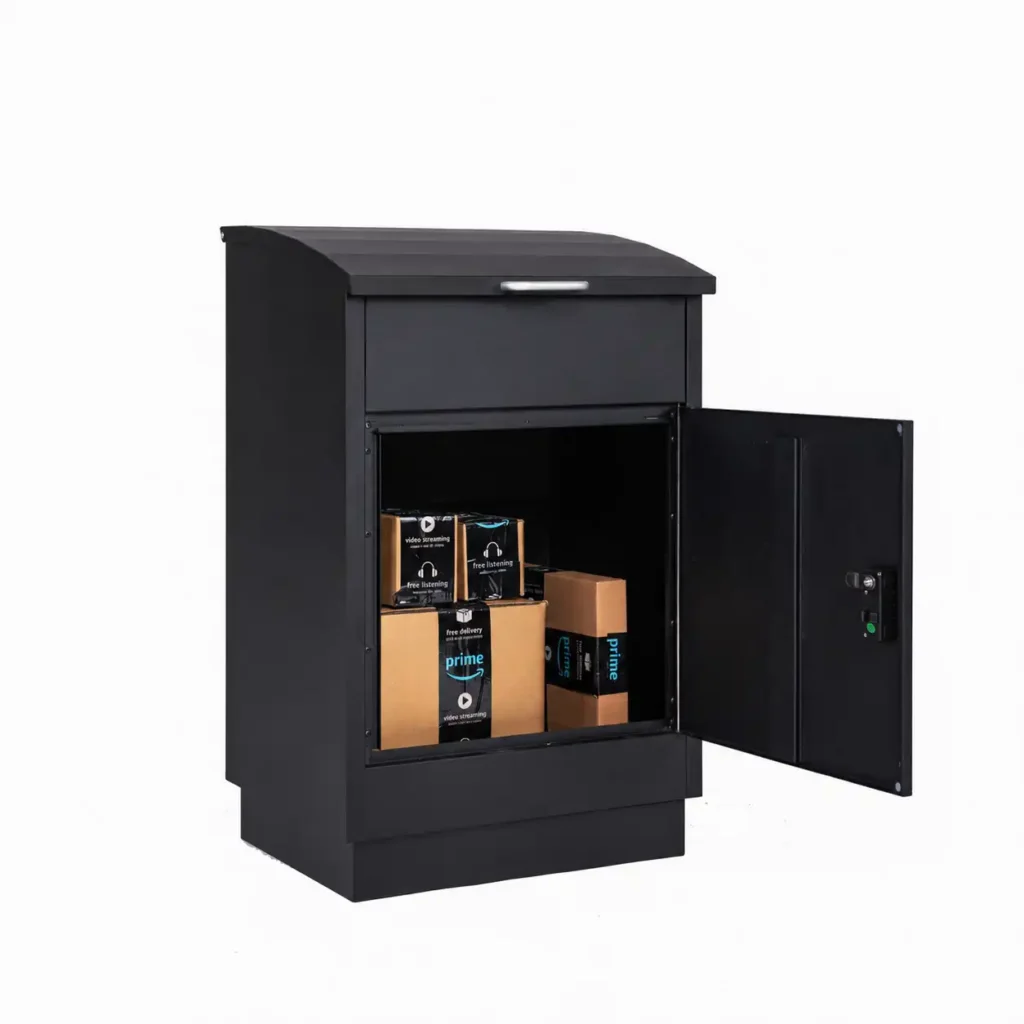
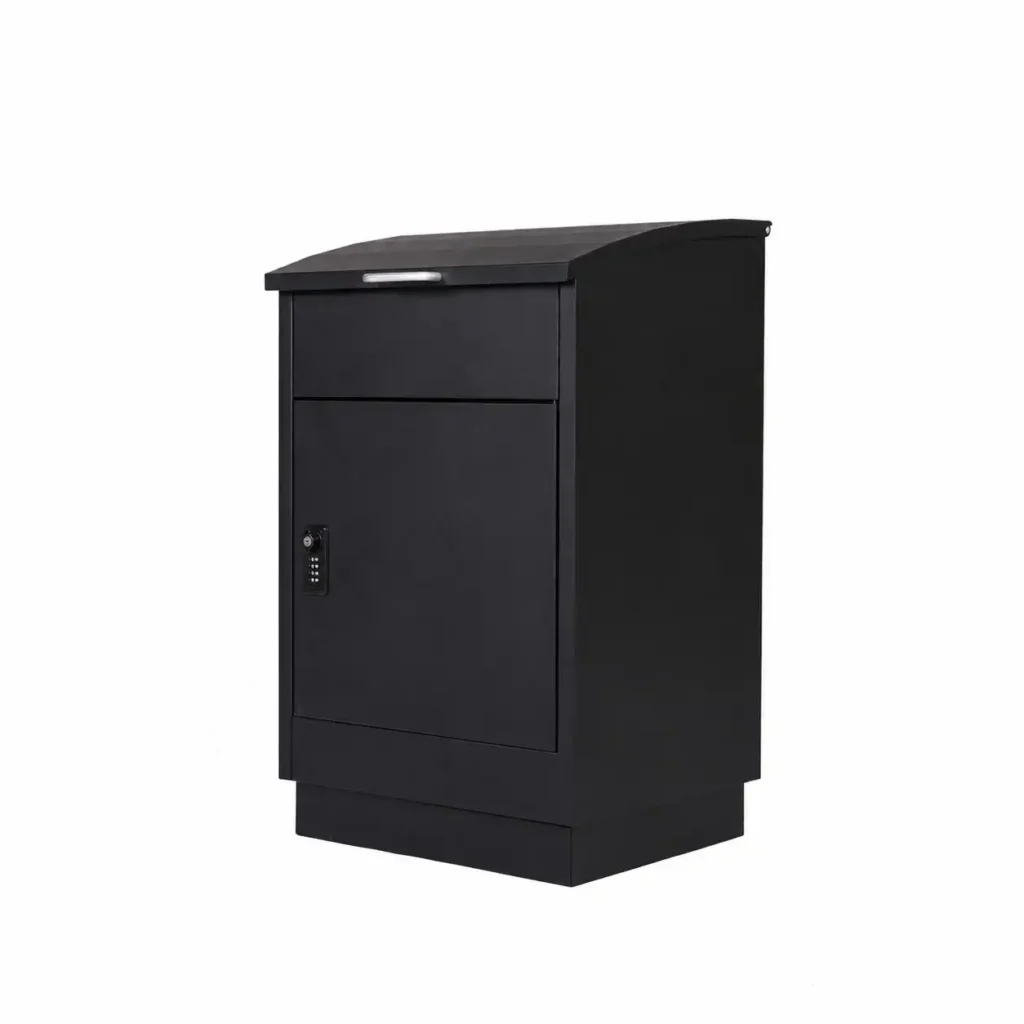
Mittlere Paketboxen
Eine ausgewogene Größe für den täglichen Paketempfang in Wohn- und Büroumgebungen.
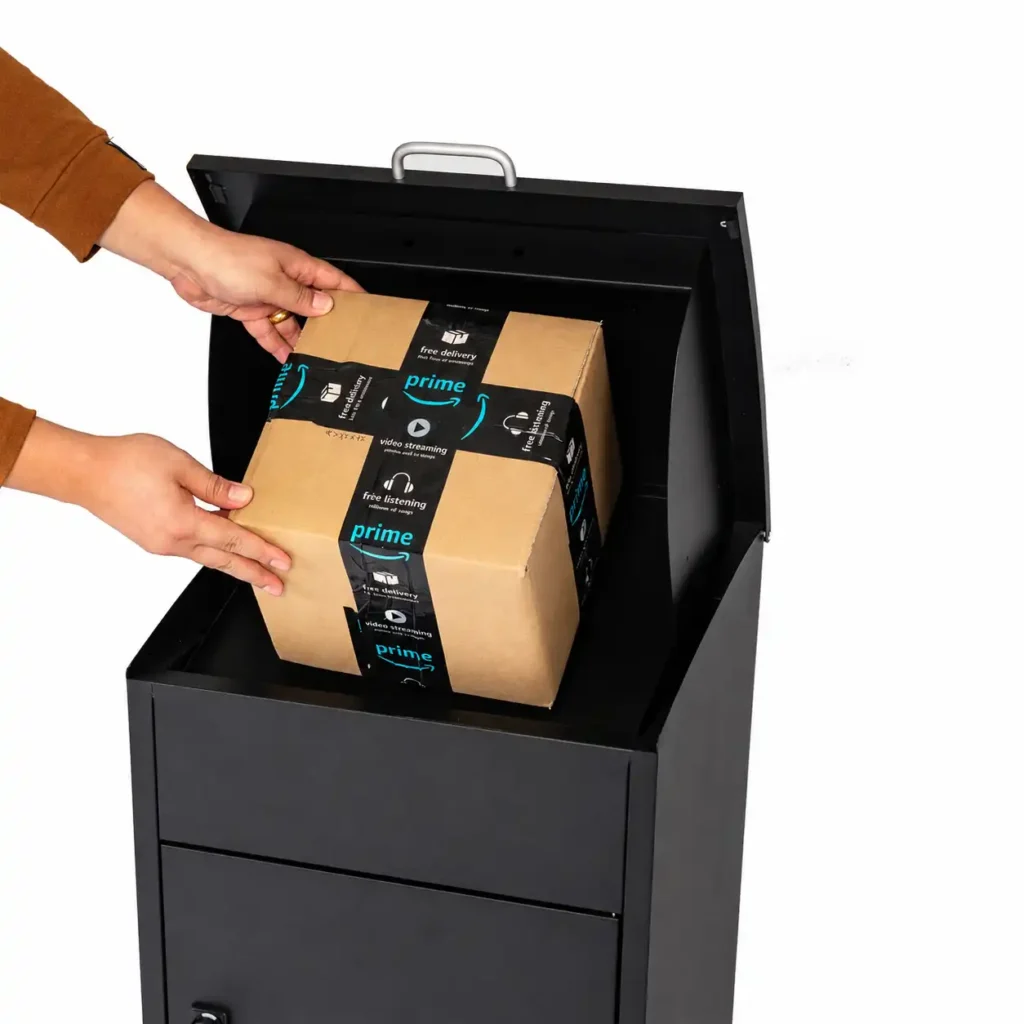
Große Paketboxen
Größere Paketkapazität für häufige Lieferungen und einen höheren Bedarf an Wareneingängen.
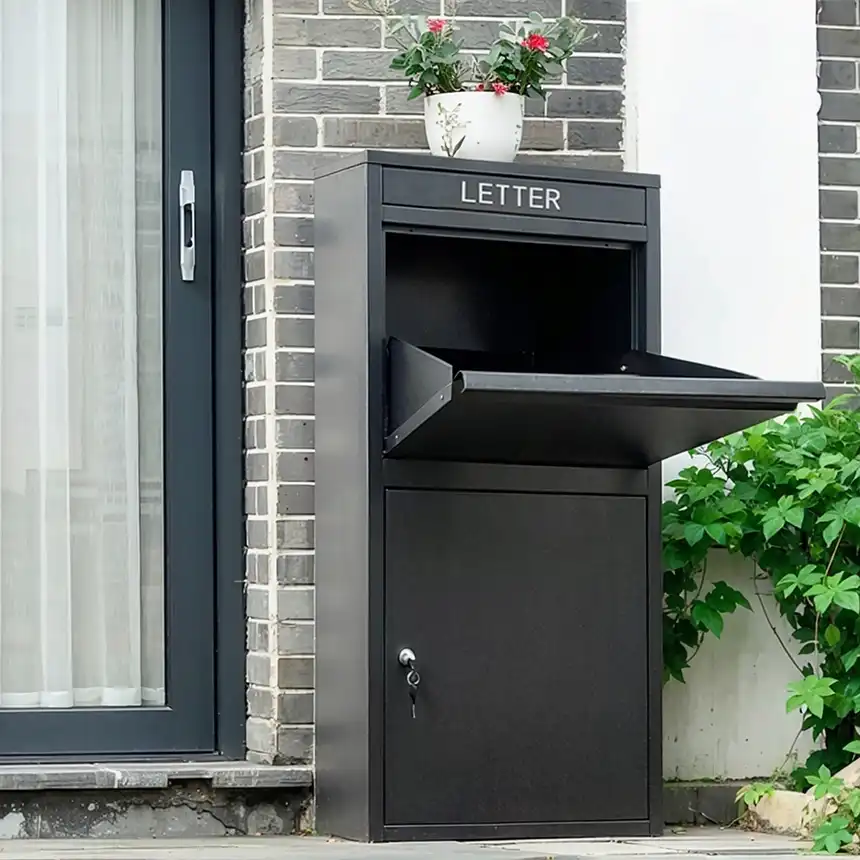
Extra große Paketboxen
Paketboxen mit großem Fassungsvermögen für übergroße Pakete und stark frequentierte Zustellorte.
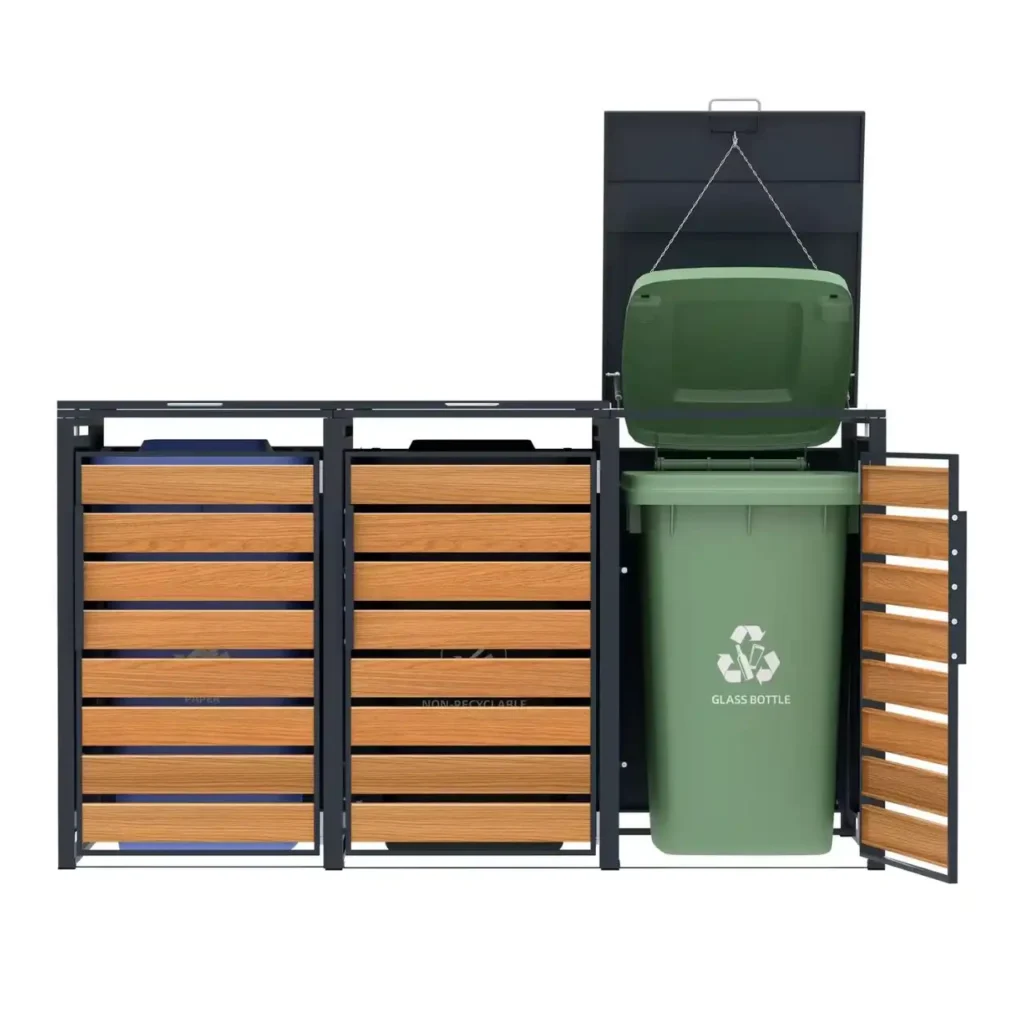
Abfallbehälter-Überdachung
Abfallbehälterüberdachungen für den Außenbereich bieten eine saubere und sichere Möglichkeit, einen, zwei, drei oder mehrere Rollcontainer unterzustellen.
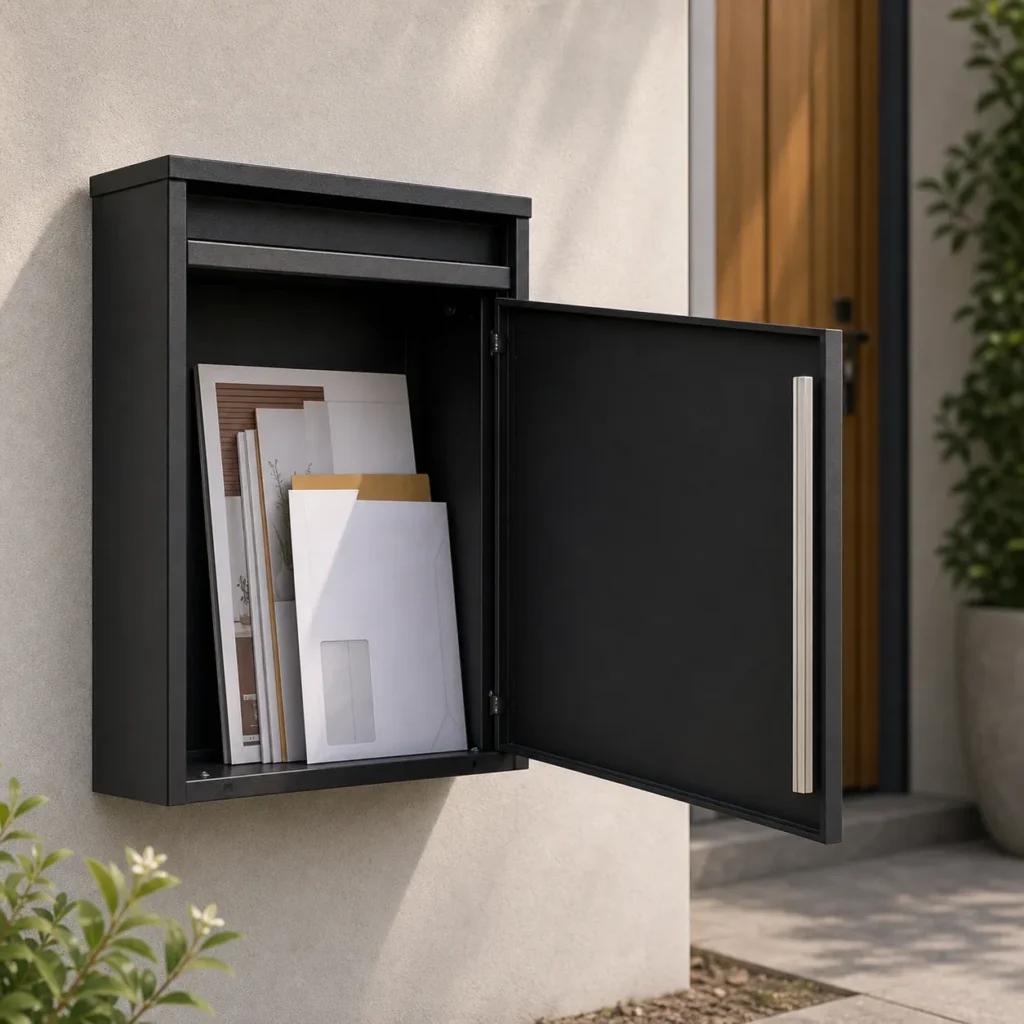
Brief- und Postfächer
Briefkästen sollen den Empfang von Post und kleinen Paketen übersichtlicher, sicherer und bequemer gestalten.
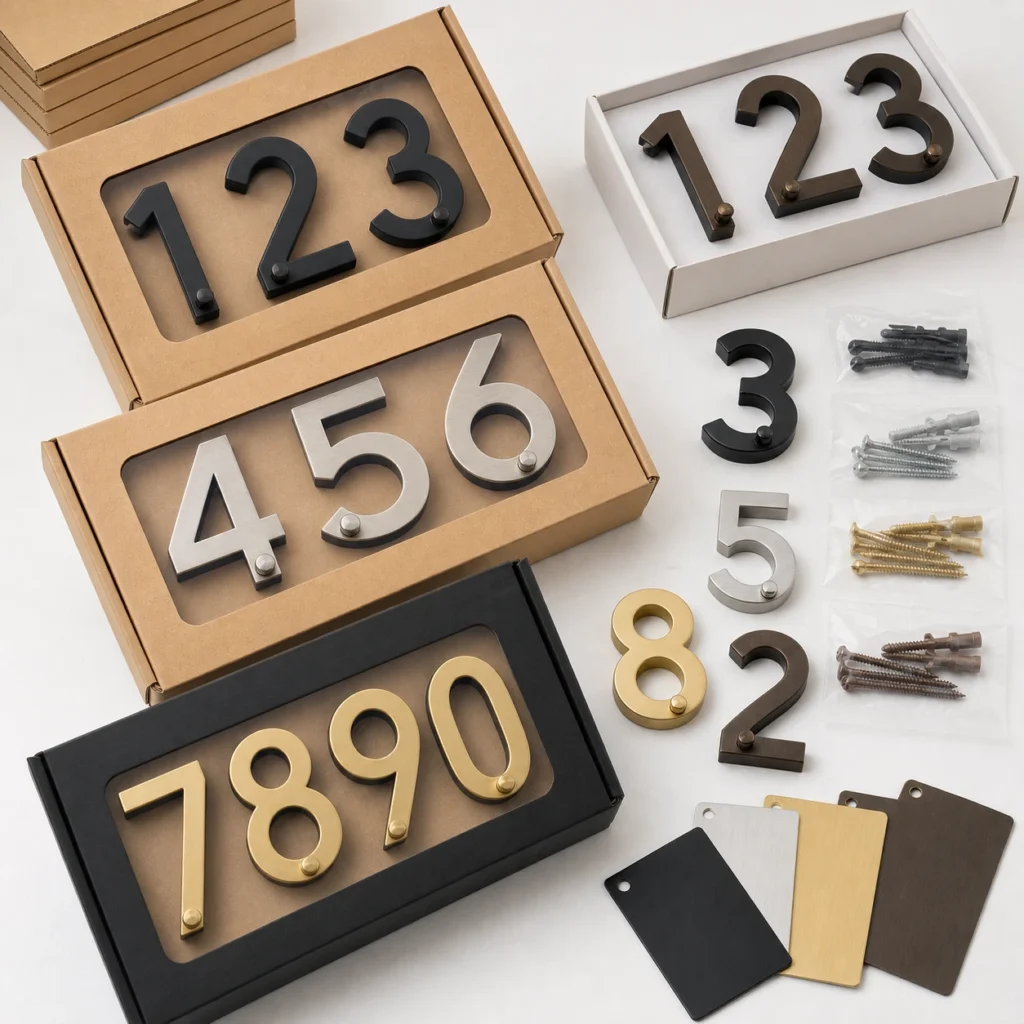
Hausnummern
Hausnummern sind kleine Details, aber sie beeinflussen den ersten Eindruck einer Immobilie, die Sichtbarkeit einer Adresse.
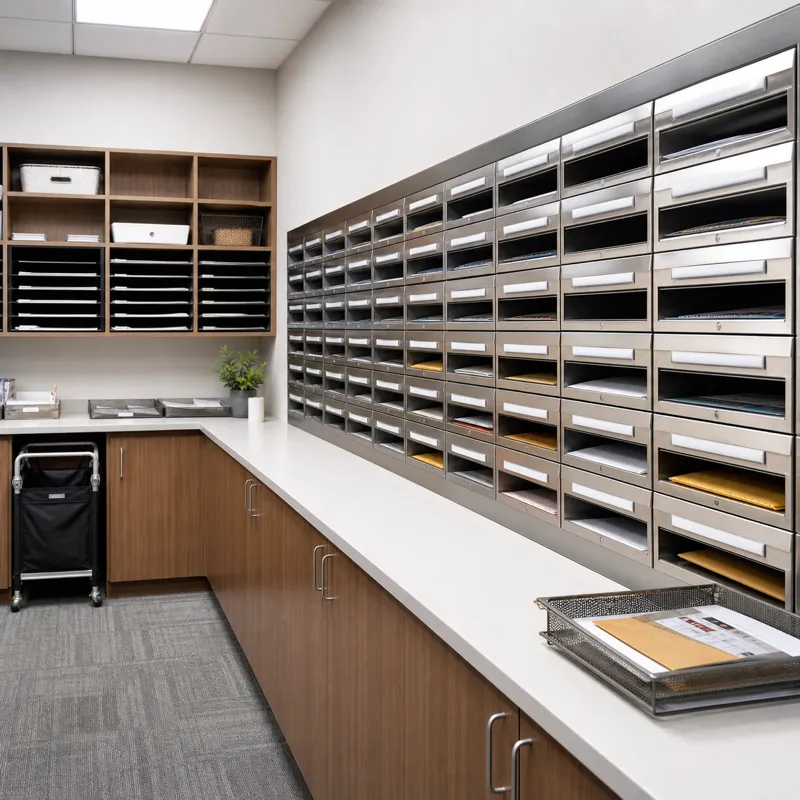
Briefschlitze
Briefschlitze sind für Projekte konzipiert, bei denen Aussehen, Größe und Installationsdetails wichtig sind.